

7 Powerful Benefits of Sustainable Clothing for Women
TL;DR:
- Sustainable clothing reduces environmental impact through lower resource use and longer-lasting materials.
- Custom and small-batch styles allow for personal expression while promoting durability and less waste.
- Proper care habits extend garment life, making sustainable fashion practical and empowering.
7 Powerful Benefits of Sustainable Clothing for Women
Building a wardrobe that reflects who you are while staying true to your values is genuinely hard. Fast fashion floods shelves with endless options, but most of those pieces look the same, wear out fast, and cost the planet more than any price tag shows. More women are pushing back, choosing clothes that feel intentional rather than impulsive. This article breaks down seven real benefits of sustainable clothing, from environmental savings to personal expression, so you can shop smarter, build better, and wear what you love with total confidence.
Table of Contents
- Why sustainable clothing matters for you
- Top 7 benefits of sustainable clothing: More than just eco-friendly
- Comparing sustainable fabrics and materials
- Lifestyle benefits: Durability, care, and wardrobe curation
- Style meets sustainability: Expressing individuality
- Why sustainable style success is about smart choices, not perfection
- Elevate your wardrobe with sustainable custom style
- Frequently asked questions
Key Takeaways
| Point | Details |
|---|---|
| Lower environmental impact | Sustainable clothing cuts pollution and resource use while encouraging better habits. |
| Individual style boost | Made-to-order and custom garments help you stand out with looks you love. |
| Longer-lasting wardrobe | Durable, quality materials and care make clothes last longer and reduce waste. |
| Balanced eco-choices | No option is perfect; understanding trade-offs empowers smarter, more authentic decisions. |
Why sustainable clothing matters for you
Sustainable clothing is more than a buzzword. It represents a shift in how garments are designed, sourced, produced, and eventually discarded. Understanding that shift matters because your buying decisions have a direct chain of consequences, from the cotton field to the landfill.
Traditional apparel production relies heavily on resource-intensive processes. Conventional cotton farming, synthetic dye baths, and long supply chains all contribute to significant greenhouse gas output. Fashion industry GHG emissions continue to climb as fast fashion accelerates production cycles. In contrast, sustainable clothing approaches prioritize lower-impact materials, shorter supply chains, and responsible manufacturing.
A closer look at life cycle assessments (LCAs) reveals something important. Sustainable clothing reduces environmental impacts through lower resource use and emissions in production, with raw materials accounting for 43 to 45% of total lifecycle impacts. The use phase, meaning how you wash and care for your clothes, often ranks as the second-highest impact stage. That means what happens after you buy matters just as much as what happened before.
Women are leading this shift in meaningful ways. Research consistently shows women drive sustainable purchasing decisions in households across every income level. As a growing group of style-conscious shoppers, women are demanding both beauty and accountability from the brands they support.
“The most sustainable garment is the one already in your closet. But when you do buy new, choosing responsibly is the next best thing.”
Here is what to look for when evaluating any sustainable claim:
- Full supply chain disclosure, not just vague ‘eco-friendly’ labeling
- Certifications like GOTS, Oeko-Tex, or bluesign for material verification
- Brand transparency about carbon, water, and labor practices
- Clear end-of-life options like repair, resale, or take-back programs
Pro Tip: Ask brands directly for their lifecycle impact data. Brands with nothing to hide will share it openly. For a deeper look at making smart eco-friendly decisions, explore this eco-friendly style guide or read up on sustainable fashion explained to build your foundational knowledge.
Top 7 benefits of sustainable clothing: More than just eco-friendly
Now that you understand the stakes, let’s dig into the concrete benefits you gain from choosing sustainable clothing.
-
Reduced carbon and water footprints. Sustainable garments use fewer inputs and generate less pollution across their lifecycle. Choosing a well-made piece over five disposable ones compounds those savings over time.
-
Circularity and longevity. Clothes built for durability can be repaired, resold, or returned. Extending garment lifespan via durability and circular models like repair, resale, and take-back reduces overall lifecycle impacts by 20 to 30% for every 9 months of extra use. That is a powerful statistic that makes a clear case for quality over quantity.
-
Safer materials for your skin. Sustainable fabrics often skip the harsh chemical finishes and synthetic dyes linked to irritation. Women with sensitive skin frequently notice real improvement when switching to certified organic or natural-fiber garments.
-
Personal expression through custom and small-batch styles. When clothes are made in small runs or to order, you get pieces that actually reflect your personality instead of a mass-produced look worn by thousands. Explore how personalized clothing advantages stack up against fast fashion options to see why customization is becoming the preferred path.
-
Healthier for workers and communities. Sustainable supply chains prioritize fair wages and safe conditions. Your purchase directly supports better livelihoods for the people making your clothes.
-
Greater wardrobe versatility. Durable construction means pieces hold their shape, color, and structure through regular wear and washing. A well-built blazer or dress becomes a core wardrobe anchor instead of a seasonal throwaway.
-
Support for brands with real missions. Choosing sustainable means voting with your wallet for transparency, accountability, and purpose. For practical ways to apply these principles, check out these eco-chic choices that make the transition easy and stylish.
Statistic spotlight: Circular models that extend garment life reduce lifecycle impact by up to 30%, making how long you keep clothes just as important as what they’re made of.
Comparing sustainable fabrics and materials
Understanding benefits means looking closely at what makes fabrics and materials ‘sustainable.’ Not all eco claims hold up under scrutiny, and knowing the difference protects you from greenwashing.
Organic cotton is grown without synthetic pesticides and is biodegradable. It is gentle on skin and widely available. However, it uses significant land and water resources, and some LCAs show organic cotton has higher GWP and land use than polyester blends, though recycled cotton lowers water scarcity impact. Context matters with every fabric choice.
Recycled polyester reduces upstream greenhouse gas emissions compared to virgin polyester. However, it has a significant drawback: recycled polyester sheds 55% more microfibers than virgin polyester, releasing approximately 12,000 fibers per gram versus 8,000, contributing to microplastic pollution in waterways. Unsubstantiated claims about recycled polyester being fully sustainable are a common form of greenwashing.
Faux fur made from high-quality materials offers an animal-friendly alternative with strong aesthetic impact. When produced responsibly, it can be a durable, long-lasting option. Always check how it is manufactured and whether the brand discloses its supply chain.
Here is a quick comparison of three popular sustainable fabrics:
| Fabric | Carbon impact | Water use | Comfort | Durability | Key concern |
|---|---|---|---|---|---|
| Organic cotton | Moderate | High | Excellent | Good | Land use, water |
| Recycled polyester | Low upstream | Low | Good | Very good | Microfiber shedding |
| Faux fur (quality) | Varies | Low | Very good | Excellent | Supply chain transparency |
Key considerations when choosing fabrics:
- Look for GOTS certification for organic cotton
- Choose recycled polyester garments with microfiber-catching wash bags
- Ask about faux fur composition and production standards
- Blends can balance comfort and durability but complicate recycling
Pro Tip: Certifications are your shortcut to truth. If a brand claims a fabric is sustainable without citing a third-party certification, dig deeper before buying. For more guidance on responsible material choices, visit this resource on custom clothing fabrics.
Lifestyle benefits: Durability, care, and wardrobe curation
The right materials set the stage for long-lasting, practical wardrobe upgrades that actually simplify your life.
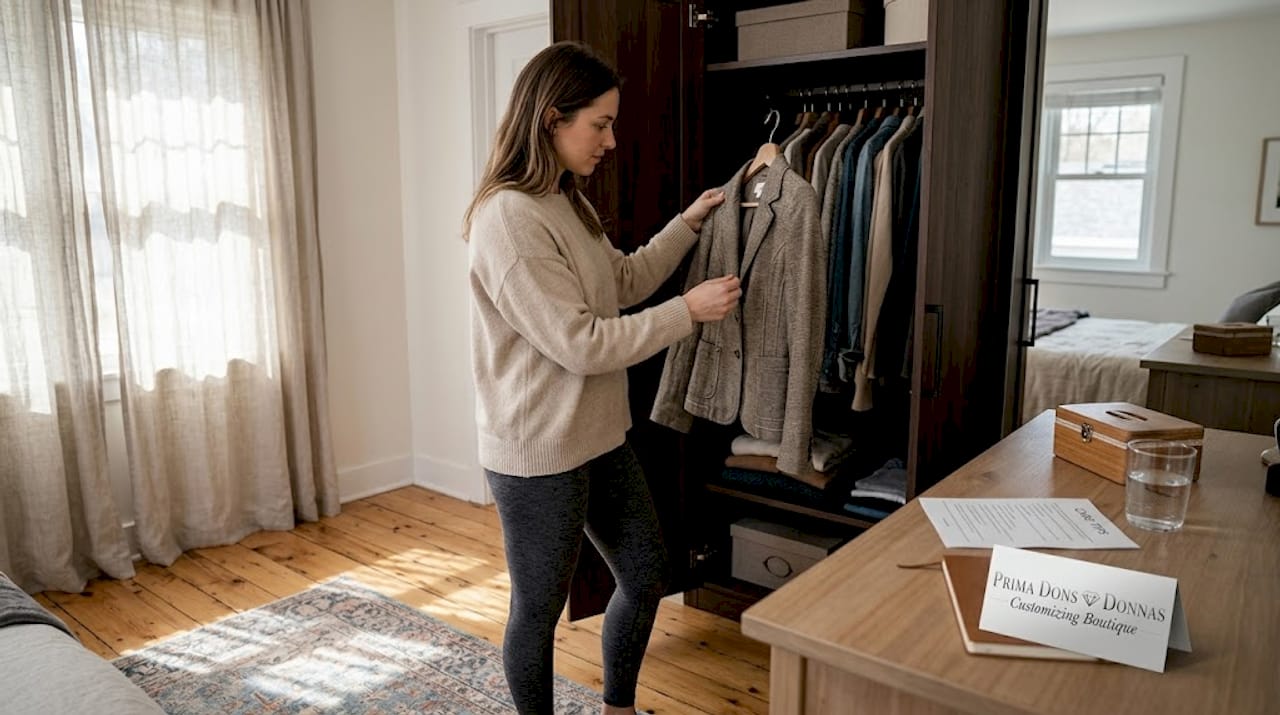
One of the most overlooked aspects of sustainable clothing is how it changes your relationship with laundry. Washing clothes less frequently and skipping the dryer dramatically reduces energy use and fiber breakdown. Use-phase factors like washing frequency and drying method significantly affect total impact, with air drying and less frequent washing shown to meaningfully mitigate those burdens. Fewer washes also means your garments keep their shape and color longer.
Building a curated wardrobe is another lifestyle upgrade that comes naturally with sustainable shopping. Instead of impulse buys, you choose intentionally. Each piece earns its spot. Here is a simple process for doing it well:
- Audit what you already own. Identify gaps and redundancies.
- Define your personal style anchors: three to five colors, silhouettes, and occasions you dress for most.
- Research brands that align with your values and offer the customization or quality you need.
- Add pieces slowly, prioritizing longevity and versatility over trend-chasing.
- Maintain what you have with proper storage, gentle washing, and timely repairs.
Here is a practical look at typical lifespans and care tips for key sustainable garments:
| Garment type | Expected lifespan | Care tip | Circular option |
|---|---|---|---|
| Organic cotton dress | 5 to 8 years | Cold wash, air dry | Resell or donate |
| Recycled poly jacket | 7 to 10 years | Wash in microfiber bag | Brand take-back |
| Faux fur coat | 8 to 12 years | Spot clean, store properly | Resale, repair |
| Linen blouse | 6 to 10 years | Hand wash, line dry | Compost or donate |
For more practical guidance on getting the most out of your pieces, explore these eco-friendly wardrobe styling tips and see how personalized fashion advantages can make every piece feel even more worth keeping. Also, the work done by circular fashion impact researchers shows how these individual care habits aggregate into meaningful global change.
Style meets sustainability: Expressing individuality
Beyond utility, sustainable fashion fuels creativity and helps you stand out.
Fast fashion thrives on sameness. Styles are copied, mass-produced, and pushed through algorithmic marketing until everyone owns a version of the same item. Sustainable fashion, particularly made-to-order and small-batch production, works entirely differently. When a garment is made specifically for you, in your size, your chosen color, and your preferred silhouette, it becomes something no one else has.
This customization approach also happens to be more sustainable by design. Made-to-order production generates almost no overstock waste, one of fast fashion’s most damaging habits. Small-batch runs allow designers to source materials more carefully, control quality, and build relationships with responsible suppliers.
Here is how sustainable style amplifies individuality:
- Color freedom. Custom orders mean the palette is yours, not dictated by seasonal trends.
- Size inclusivity. Made-to-order brands craft for your actual measurements, not a generic size chart.
- Unique combinations. Mix materials, silhouettes, and embellishments for a look that is entirely personal.
- Slower trends. Investing in statement pieces keeps you stylish without chasing every micro-trend.
Want to understand why this approach matters beyond the aesthetic? Read more about personalized fashion and the broader cultural shift toward clothing that actually fits your life.
Pro Tip: Identify two or three statement pieces each season that feel completely you, then build outfits around them. Statement-first dressing makes sustainable shopping feel exciting rather than restrictive.
Individual choices also send a market signal. When more women choose made-to-order and small-batch over mass production, brands and manufacturers respond. Your personal style becomes part of a larger conversation about what fashion can and should be.
Why sustainable style success is about smart choices, not perfection
After reviewing the benefits and the trade-offs, it’s worth reframing what success in sustainable style actually looks like. Most articles in this space either paint sustainable fashion as simple and virtuous or so complicated that it feels impossible. Neither is accurate.
The truth is messier and more interesting. Organic cotton is not automatically better than recycled polyester. Faux fur can be a responsible choice. A garment made in small batches in a fair-wage facility might carry a higher price tag but deliver three times the wearable life. These nuances matter, and pretending they do not leads to poor decisions.
Care habits are where most women underestimate their actual impact. Washing less, air drying, using cold water, and repairing small damage before it becomes irreparable can extend a garment’s useful life significantly. That has a greater cumulative effect than any single purchase decision.
The joy of personal expression should never be sacrificed at the altar of environmental purity. Sustainable fashion done right should feel exciting, empowering, and deeply personal. It celebrates what makes you distinctive rather than narrowing your choices to only the most technically correct option. Staying current on sustainability trends helps you keep making informed choices without getting paralyzed by perfection.
Progress is the goal. A wardrobe built slowly, with care and intention, will always outperform a perfectly curated eco-list that never translates into actual action.
Elevate your wardrobe with sustainable custom style
Ready to start building your own sustainable, expressive wardrobe?
Prima Dons and Donnas makes it easy. Every piece is designed with fit, longevity, and bold personal style in mind, crafted to your exact size and color preferences so nothing goes to waste and everything feels like it was made for you. Because it was.
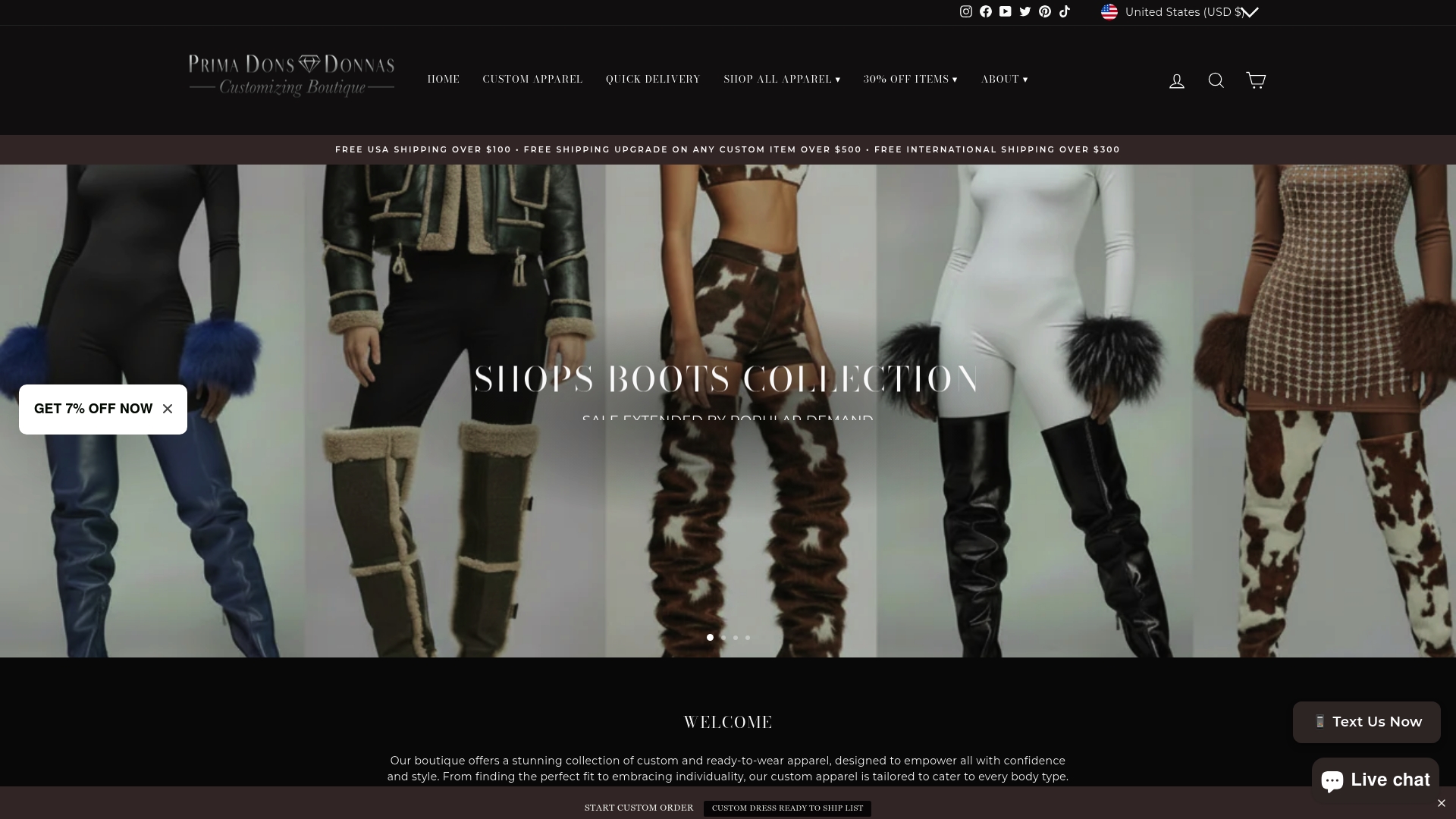
Explore the made-to-order dress collection for statement pieces built to last, or browse custom outerwear for eco-conscious faux fur and bold layering options. If you want something fast, ready-to-ship options are available for quick delivery without sacrificing quality. Your next wardrobe staple is waiting. Shop now and wear it with confidence.
Frequently asked questions
Does sustainable clothing really reduce environmental impact?
Yes, lifecycle analyses show sustainable clothing uses fewer resources and emits less pollution, especially when garments last longer and are cared for thoughtfully.
What are the best sustainable fabrics for sensitive skin?
Natural fabrics like organic cotton, hemp, and linen are gentle on skin and often produced with fewer harsh chemicals. Organic cotton lowers water scarcity when grown using recycled fiber methods, making it a strong choice for skin-sensitive shoppers.
Can sustainable clothing be stylish and trendy?
Absolutely. Modern sustainable brands offer trendy, customizable, and unique designs that let you express your personality while helping the planet.
How should I care for sustainable clothes to make them last?
Wash less often, air dry instead of using dryers, and handle with care to extend lifespan and reduce impact. Washing frequency and drying method are two of the most significant use-phase impact drivers you can control at home.
Recommended
- 7 Key Advantages of Made to Order Fashion for Women – Prima Dons & Donnas
- Sustainable fashion options for conscious women in 2026 – Prima Dons & Donnas
- Top benefits of custom footwear for fashion-forward women – Prima Dons & Donnas
- 7 Types of Custom Fashion Every Stylish Woman Should Know – Prima Dons & Donnas


Leave a comment