

Sustainable fashion tips for personalized, luxe & eco-friendly style
TL;DR:
- Building a sustainable wardrobe starts with an honest closet audit focused on comfort and wearability.
- Personal capsules tailored to your lifestyle and style preferences support sustainability and self-expression.
- Choosing eco-friendly materials requires understanding production impacts, certifications, and brand transparency.
Finding fashion that is sustainable, personal, and luxurious all at once feels like solving a puzzle with missing pieces. Generic advice pushes minimalism rules or vague eco swaps, but rarely speaks to women who want bold, confident style that also reflects real values. The good news: building a wardrobe that is genuinely yours, genuinely comfortable, and genuinely responsible is completely achievable. This guide walks through every step, from auditing your closet to choosing the right materials and personalizing pieces, so you can make decisions with clarity and confidence.
Table of Contents
- Start with your closet: Audit, comfort, and wearability
- Build a personalized capsule: Versatility over quantity
- Choose eco materials and read beyond labels
- Personalize sustainably: Custom, made-to-order & upcycling
- Why most sustainable fashion advice misses comfort, luxury, and you
- Elevate your sustainable style with custom luxury
- Frequently asked questions
Key Takeaways
| Point | Details |
|---|---|
| Start from your closet | Maximizing and auditing what you already own is the most effective first step in sustainable fashion. |
| Personalize your capsule | Build a wardrobe around versatile pieces that reflect your style and real lifestyle needs. |
| Choose smart materials | Read beyond labels and prioritize eco fabrics based on both material and manufacturing impact. |
| Opt for custom or upcycled | Custom and upcycling options combine personal expression with meaningful sustainability gains. |
| Sustainability is personal | True sustainable fashion balances comfort, luxury, and individuality with environmental awareness. |
Start with your closet: Audit, comfort, and wearability
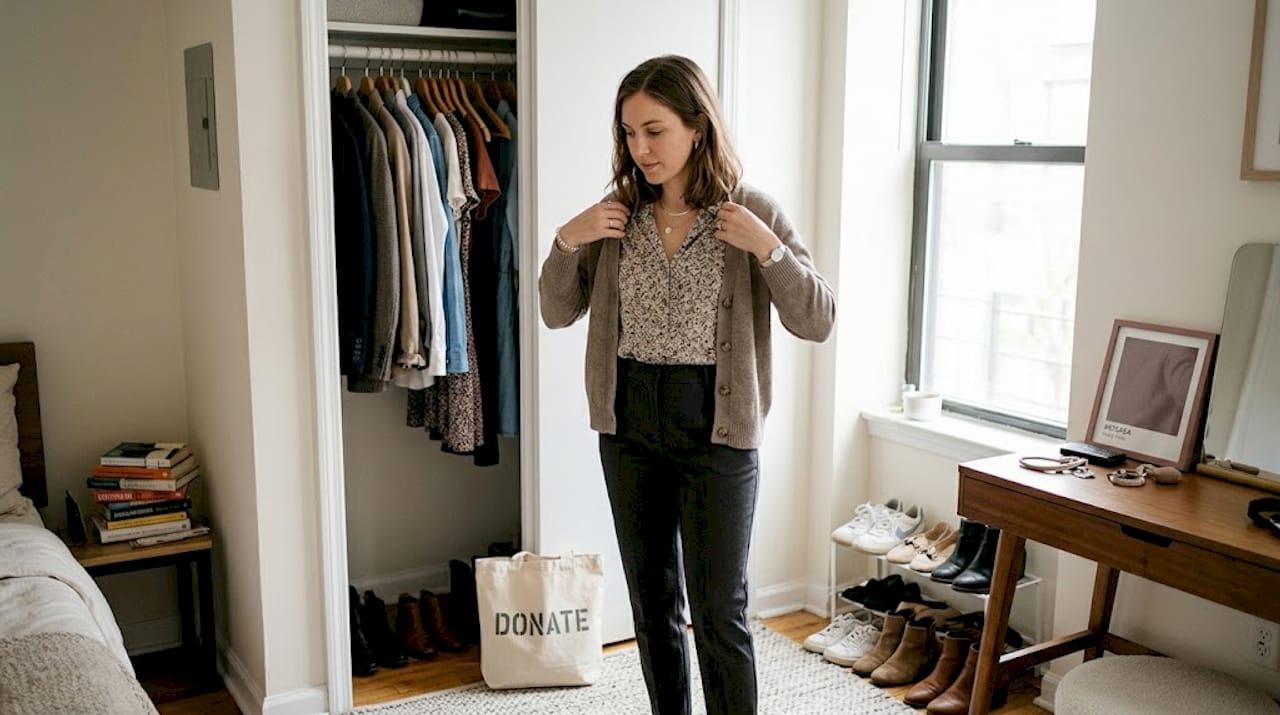
Before buying anything new, look at what you already own. Most meaningful sustainable improvements start right there, with maximizing what is already in your wardrobe. A thoughtful audit reveals patterns, gaps, and pieces that deserve far more wear than they are getting.
Here is how to run a simple, effective audit:
- Separate what you love. Pull out every item you reach for regularly. These are your anchor pieces.
- Check the fit. If it does not fit your body right now, it is not working for you, no matter how beautiful it is.
- Flag what rarely gets worn. Be honest. If something has been untouched for six months, ask why.
- Identify the reasons. Is it uncomfortable? Off-brand for your actual lifestyle? Wrong color? The reason matters.
- Note what you repeat. The outfits you wear again and again show your real style, not your aspirational one.
Comfort and real-life suitability matter far more than trend alignment. A statement coat you wear twice a season has less impact than a versatile jacket you wear three times a week. Capsule wardrobe guidance emphasizes auditing what you wear, prioritizing comfort, and ensuring pieces suit your real life rather than a fixed piece count.
True sustainable wardrobes are flexible. There is no magic number of items. Some women thrive with 20 pieces, others need 50 to feel fully expressed. The goal is high wearability across everything you own.
Pro Tip: Spend two weeks photographing every outfit you actually wear. At the end, review the images. The patterns will show your true style anchors and the exact gaps worth filling.
Pairing this audit with eco-friendly wardrobe tips helps you move forward intentionally. And if you have ever wondered how comfort in luxury fashion connects to long-term wearability, the answer is simple: the more comfortable a piece feels, the more you wear it, and the more sustainable it becomes.
Build a personalized capsule: Versatility over quantity
Now that you know what actually works in your current closet, let’s create an individualized capsule that truly serves your style.
A personalized capsule is not about owning the fewest items possible. It is about owning the right items for your life. Choosing versatile pieces you’ll actually use creates a capsule that is both practical and individual. Follow these four steps to build yours:
- Define your lifestyle needs. Are you dressing for creative work, social events, travel, or all three? Your daily context shapes everything.
- Choose a core color palette. Pick two or three neutrals that mix well, then select one or two accent colors that feel genuinely exciting to you.
- Select flexible standout pieces. A bold faux fur jacket, a tailored wide-leg trouser, a luxurious knit. Pieces that elevate but still mix with your core.
- Add personalized accents. Scarves, bags, shoes, and jewelry that express your specific personality and complete multiple looks.
“Capsule success is about what works for you, not what is ‘minimal’ for someone else.”
Here is a quick comparison to show the difference between a traditional approach and a personalized one:
| Feature | Traditional capsule | Personalized capsule |
|---|---|---|
| Piece count | Fixed number (e.g., 33) | Flexible, based on lifestyle |
| Style direction | Generic neutrals | Your actual palette and preferences |
| Statement pieces | Minimized | Celebrated and intentional |
| Fit approach | Standard sizing | Tailored to your body |
| Sustainability measure | Item count | Wearability and longevity |
For women seeking sustainable options for conscious living, the personalized capsule approach connects style choices to real values. A solid conscious shopping guide can also help you prioritize which new additions are worth the investment.
Choose eco materials and read beyond labels
Once your base wardrobe is versatile, the real difference comes in choosing the right materials. Let’s decode the details.
Not all recycled or eco-labeled materials carry the same environmental benefit. LCA studies reveal that the environmental impact of recycled fibers depends heavily on specific process stages, meaning not all recycled fabrics are automatically greener than conventional ones. Spinning, dyeing, and finishing can account for a significant share of total fabric impact.
Here is a quick look at three commonly discussed materials:
| Material | Pros | Cons |
|---|---|---|
| Faux fur (recycled base) | Cruelty-free, bold aesthetic, durable | Requires careful sourcing to confirm recycled content |
| Organic cotton | Fewer pesticides, soft, biodegradable | Higher water use than some alternatives |
| Recycled polyester | Diverts plastic waste, strong | Sheds microplastics during washing |
When reading labels, check for these key details:
- Certifications. Look for GOTS, OEKO-TEX, or bluesign labels as starting evidence of standards.
- Country of origin. Production location affects labor and environmental standards significantly.
- Material breakdown. A “recycled” label means little without percentage disclosure.
- Brand transparency. Does the brand explain its supply chain, or just use broad marketing claims?
Exploring eco-chic fabric choices gives a clearer picture of what to look for in everyday purchases. Staying current on sustainability trends in 2026 also helps you spot which innovations are worth watching. For a broader view on how eco fibers compare to traditional options, look beyond fashion industry sources for unbiased perspective.
Personalize sustainably: Custom, made-to-order & upcycling
With fabric choices made, it is time to make your style unmistakably yours without sacrificing sustainability.
Custom, made-to-order, and upcycled pieces are among the most powerful tools for sustainable personal expression. Personal and sustainable choices go hand-in-hand when pieces are created for your actual lifestyle rather than mass-market trend cycles. Here is why these options matter:
- Perfect fit, every time. Custom pieces are made for your measurements, reducing the likelihood of the piece sitting unworn.
- No overproduction. Made-to-order means nothing is manufactured until you order it, cutting waste at the source.
- Creative expression. You choose the color, silhouette, fabric, and detail. The result is genuinely unique.
- Upcycling as reinvention. Old favorites become new statements with dye, trims, embroidery, or tailoring.
Easy upcycling ideas to try right now:
- Add faux fur trim to a plain coat collar or cuffs for instant luxury.
- Over-dye a faded garment in a bold, fresh color.
- Have a dress tailored into a top and midi skirt for two new pieces.
- Swap standard buttons for vintage or statement alternatives.
Pro Tip: Partner with local makers or sustainable brands offering custom options for pieces that reflect both your values and your personal aesthetic. A thorough custom clothing guide is a great place to start understanding what to expect from the process.
Why most sustainable fashion advice misses comfort, luxury, and you
Most sustainable fashion content focuses on one thing: reducing material impact. That matters, but it is only part of the story. What gets ignored is the role of comfort, joy, and personal connection in making a wardrobe truly sustainable.
A piece you love wearing gets worn. A piece that checks the eco box but feels wrong gets abandoned. Longevity is not just about fiber quality. It is about emotional resonance.
“The truly sustainable closet is one you pull from daily, not the one that looks right for Instagram.”
Sustainability should not feel like guilt or deprivation. It should feel like celebrating what you wear often, what fits your real body, and what makes you feel genuinely powerful. Rules that strip out luxury, boldness, or personality in the name of minimalism often produce wardrobes that get quietly replaced anyway, defeating the entire point.
Real comfort in luxury fashion is not a contradiction. It is the foundation of pieces that actually last in your life.
Elevate your sustainable style with custom luxury
Ready to make a meaningful wardrobe upgrade? Prima Dons & Donnas offers an intentional path forward for women who want style that is personal, responsible, and genuinely luxurious.
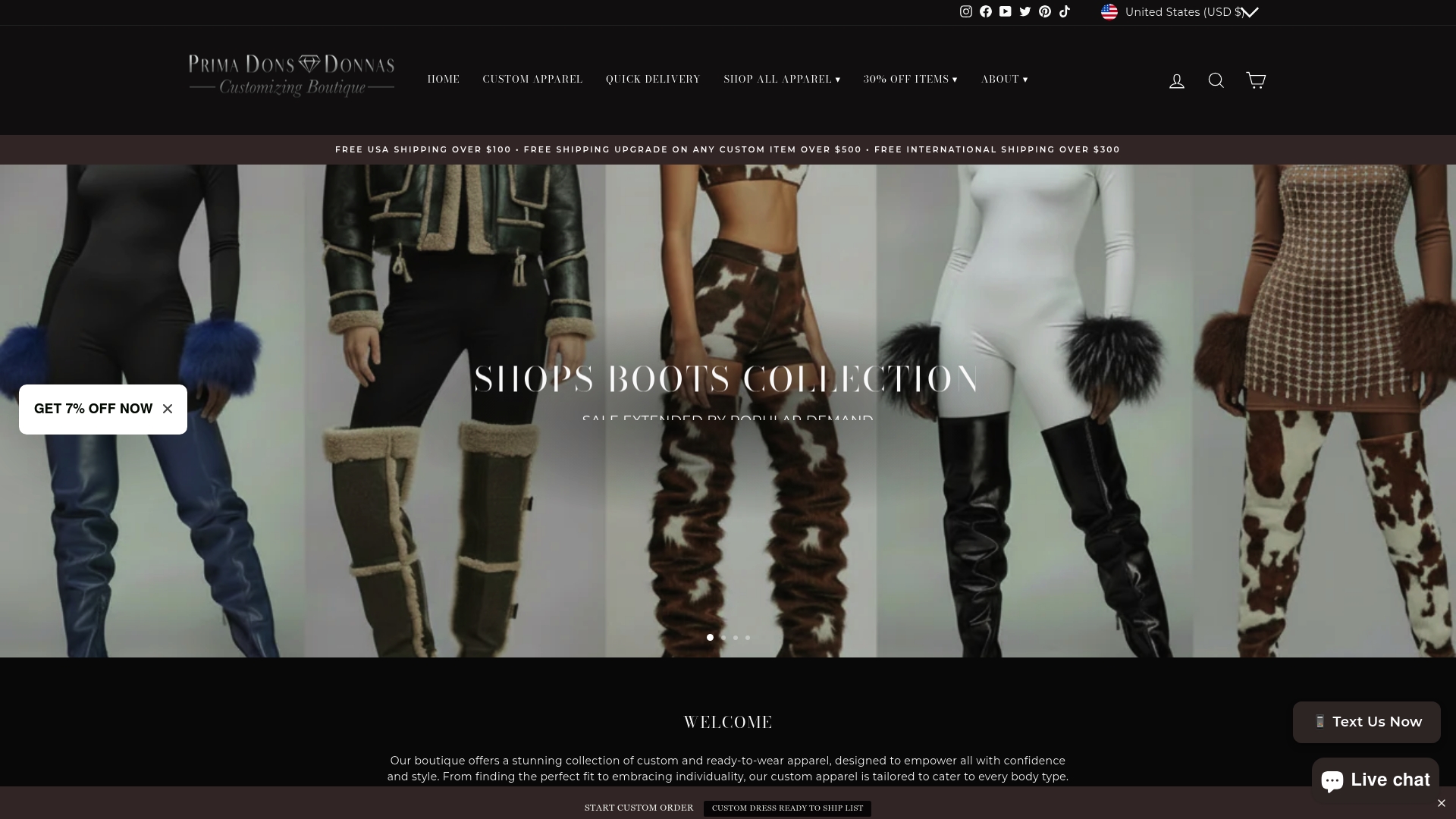
The made-to-order dress collection is designed for fit, individuality, and quality that lasts. For outerwear that makes a bold statement in sustainable faux fur, explore the custom outerwear collection. Full wardrobe options, from tops to coordinates, are available across custom apparel. Each piece is made to your specifications, in your size, in your color. No overproduction. No compromise on style.
Frequently asked questions
What is the most sustainable fabric in fashion?
There is no single best answer. LCA studies highlight that both material choice and production process determine true sustainability, so evaluate both together.
How can I tell if clothing is really eco-friendly?
Look beyond marketing language. True eco-friendliness shows up through supply chain transparency, third-party certifications, and brands that share detailed production data rather than vague claims.
Is faux fur a good sustainable option?
Faux fur can be a strong sustainable choice when made from recycled materials and produced responsibly. As with all fabrics, production methods matter as much as the material itself.
How do I personalize my wardrobe sustainably?
Prioritize custom, made-to-order, or upcycled pieces that fit your lifestyle and aesthetic. These approaches support personal expression while cutting down on overproduction and waste.
Does a capsule wardrobe really help the environment?
Yes, when built around pieces you genuinely love and wear often. A well-audited capsule reduces unused clothing, limits overconsumption, and keeps waste low over time.
Recommended
- Sustainable fashion styling tips: Build an eco-friendly wardrobe – Prima Dons & Donnas
- Sustainable fashion options for conscious women in 2026 – Prima Dons & Donnas
- Why Sustainable Fashion Matters: Eco-Friendly Style Guide – Prima Dons & Donnas
- Custom Clothing Guide for Unique, Sustainable Fashion – Prima Dons & Donnas
- Why custom watches matter: affordable luxury and style – OP


Leave a comment