

Custom footwear: bold style meets sustainability in 2026
You’ve probably heard that custom footwear is just for people chasing luxury or making a fashion statement. The truth is far more practical. Mass-produced shoes force millions of women into compromised fits that sacrifice comfort for cost efficiency, while contributing to enormous environmental waste through overproduction. Custom footwear in 2026 solves these problems by combining bold, personalized aesthetics with superior comfort and sustainable manufacturing practices. This article explores how digital tools and additive manufacturing are transforming footwear from a one-size-fits-all commodity into a personalized experience that respects both your feet and the planet.
Table of Contents
- How Custom Footwear Redefines Style And Comfort
- Sustainability’s Rising Role In The Custom Footwear Market
- Technology Powering Personalized Footwear Experiences
- Custom Footwear Market Trends And Practical Benefits For You
- Discover Custom Footwear That Matches Your Bold Style And Values
Key takeaways
| Point | Details |
|---|---|
| Waste reduction | Digital production methods minimize material waste compared to traditional manufacturing |
| Personalized comfort | Custom measurements eliminate common fit issues and foot pain |
| Sustainable materials | Eco-friendly options reduce carbon footprint by up to 40% versus synthetic alternatives |
| Market growth | The custom footwear sector will reach $16.8 billion by 2033 driven by e-commerce |
| Real-time customization | Advanced 3D technology enables detailed visualization during the design process |
How custom footwear redefines style and comfort
Mass-produced shoes treat your feet like they’re identical to everyone else’s, which they’re not. Designing footwear merges aesthetics with technical fit and comfort aspects, requiring expertise in both visual impact and biomechanics. Custom footwear addresses this by building each shoe around your specific measurements, foot shape, and style preferences.
The difference shows up immediately in heel design. Standard heels force your foot into predetermined angles that may not match your natural gait or arch. Custom options adjust heel height, pitch, and platform thickness to distribute weight more evenly across your foot. This reduces pressure points that cause pain after a few hours of wear.
Digital design tools make intricate personalization possible at scale. You can specify everything from toe box width to ankle support level, then see how those choices affect the final look. The technology translates your preferences into precise manufacturing specifications that traditional shoemaking couldn’t achieve consistently.
Pro Tip: When ordering tailor-made footwear, measure your feet at the end of the day when they’re slightly swollen for the most accurate fit.
Personalization creates emotional connections that mass-produced shoes can’t replicate. When you choose every color, material, and design element, the finished product reflects your personal aesthetic rather than a designer’s guess about what might appeal to millions of people. This transforms shoes from functional items into expressions of identity.
The technical benefits extend beyond initial comfort. Custom shoes built for your gait patterns reduce strain on knees and hips over time. They also last longer because the fit prevents the uneven wear patterns that destroy poorly fitted shoes within months.
Key benefits of custom footwear design:
- Eliminates common pressure points through personalized fit
- Allows bold aesthetic choices without sacrificing wearability
- Reduces long-term joint stress from proper biomechanical alignment
- Creates unique designs that reflect individual style preferences
Sustainability’s rising role in the custom footwear market
Traditional shoe manufacturing generates massive waste. Factories cut patterns from large material sheets, discarding 15 to 30% as scraps. They also overproduce to meet unpredictable demand, with unsold inventory ending up in landfills. Digital manufacturing reduces waste and enables sustainable personalized footwear production by building shoes only after orders are placed.
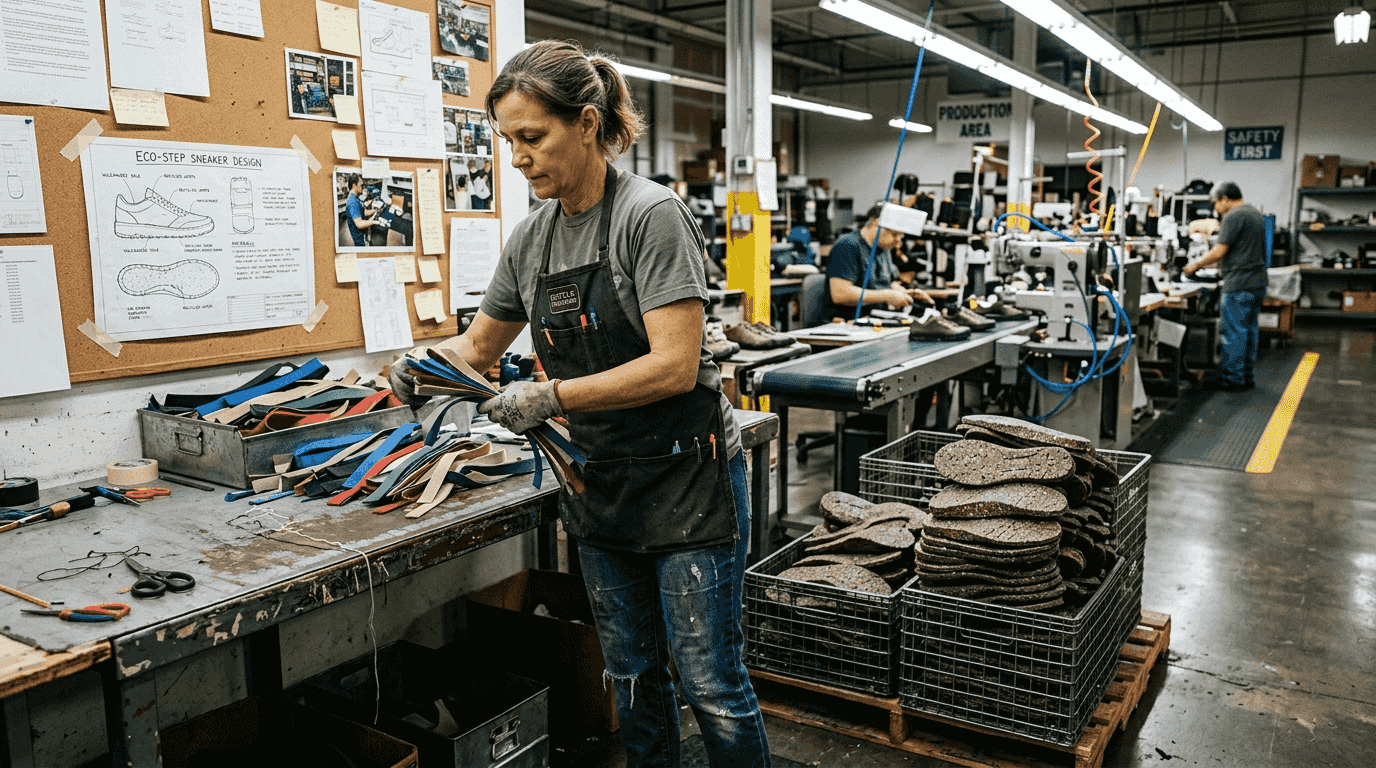
Additive manufacturing, commonly called 3D printing, constructs shoe components layer by layer using only the exact amount of material needed. This eliminates cutting waste entirely. The process also allows manufacturers to use recycled materials that would be too inconsistent for traditional production methods.
Material choices make enormous environmental differences. The carbon footprint of synthetic running shoes reaches 14 kg CO2 equivalent per pair. Recycled and bio-based alternatives can cut that figure by 40% or more while maintaining durability and appearance.
| Material Type | Carbon Footprint (kg CO2) | Durability Rating | Recyclability |
|---|---|---|---|
| Virgin synthetic leather | 14.0 | High | Low |
| Recycled synthetic materials | 8.4 | High | Medium |
| Bio-based alternatives | 7.2 | Medium | High |
| Recycled rubber soles | 3.1 | Very High | High |
Sustainability drives custom footwear growth, with consumer demand for eco-friendly materials accelerating industry adoption of greener practices. Women under 40 particularly prioritize environmental impact when making fashion purchases, viewing sustainability as inseparable from style rather than a tradeoff.
Pro Tip: Look for brands offering sustainable custom clothing options that extend eco-friendly practices across their entire product line.
The shift toward sustainability also improves working conditions. Made-to-order production reduces pressure for rapid turnaround times that lead to labor exploitation. Manufacturers can focus on quality craftsmanship rather than meeting arbitrary quotas for inventory that may never sell.
Transparency becomes easier with custom production. You can trace exactly where materials came from and how your specific shoes were made, something impossible with mass-produced footwear moving through complex global supply chains. This visibility lets you make informed choices aligned with your values.
Technology powering personalized footwear experiences
Creating custom shoes used to require in-person fittings and weeks of back-and-forth communication. Digital technology collapsed that timeline while improving precision. Modern configurators let you design shoes from your phone, seeing photorealistic previews that match the finished product.
Digital twins replicate every shoe detail in virtual space. These 3D models capture texture, stitching, material properties, and how light interacts with different surfaces. You can rotate the shoe, zoom into specific areas, and see exactly how your color choices work together before committing to production.
Prada’s web configurator produces 4K images in real time, enabling highly realistic 3D shoe customization with fast loading times. The system uses powerful rendering servers to generate ultra-high definition visuals as you adjust options, eliminating the lag that frustrated earlier customization tools.
The online customization process typically follows these steps:
- Select your base shoe style from available templates
- Choose materials for each component (upper, sole, lining, laces)
- Pick colors and finishes for every visible element
- Add personalized details like monograms or custom stitching patterns
- Input foot measurements or upload 3D scans for perfect fit
- Review the final design with 360-degree visualization
- Confirm order and receive production timeline
Real-time rendering transforms the experience from guesswork into confident decision-making. You see immediate visual feedback for every choice, understanding how a metallic finish versus matte affects the overall look. This eliminates buyer’s remorse from imagining one thing and receiving another.
“The challenge was to create a luxury customization experience that felt as premium online as it does in our boutiques. Real-time 3D rendering with photorealistic quality solved that, letting customers design with complete confidence from anywhere in the world.” — Prada Digital Innovation Team
Fast loading interfaces dramatically improve satisfaction. Studies show that delays longer than three seconds cause 40% of users to abandon customization tools. Modern systems optimize file sizes and use progressive loading to keep interactions feeling instant even with complex 3D models.
Mobile optimization matters increasingly as more people shop from phones. Responsive configurators adapt to smaller screens without losing functionality, letting you design custom shoes during your commute or while relaxing at home. The convenience removes barriers that previously limited custom footwear to people with time for store visits.
Technology also enables better ordering of made-to-measure footwear through smartphone-based foot scanning apps that capture measurements more accurately than manual methods.
Custom footwear market trends and practical benefits for you
The global custom shoes market will grow at 12.3% annually from 2026 to 2033, reaching $16.8 billion by 2033. E-commerce accessibility drives much of this expansion, removing geographic limitations that previously restricted custom footwear to major cities with specialty boutiques.
Personalization appeals across demographics but particularly resonates with fashion-conscious women seeking unique style expressions. The ability to create shoes nobody else owns satisfies the desire for individuality that mass fashion can’t provide. Custom options let you match shoes precisely to specific outfits or create signature looks that become part of your personal brand.
| Footwear Type | Primary Benefits | Typical Price Premium | Growth Rate |
|---|---|---|---|
| Casual custom | Style uniqueness, comfort | 30-50% | 15.2% annually |
| Performance custom | Biomechanical optimization | 40-70% | 11.8% annually |
| Luxury custom | Exclusivity, craftsmanship | 100-200% | 9.4% annually |
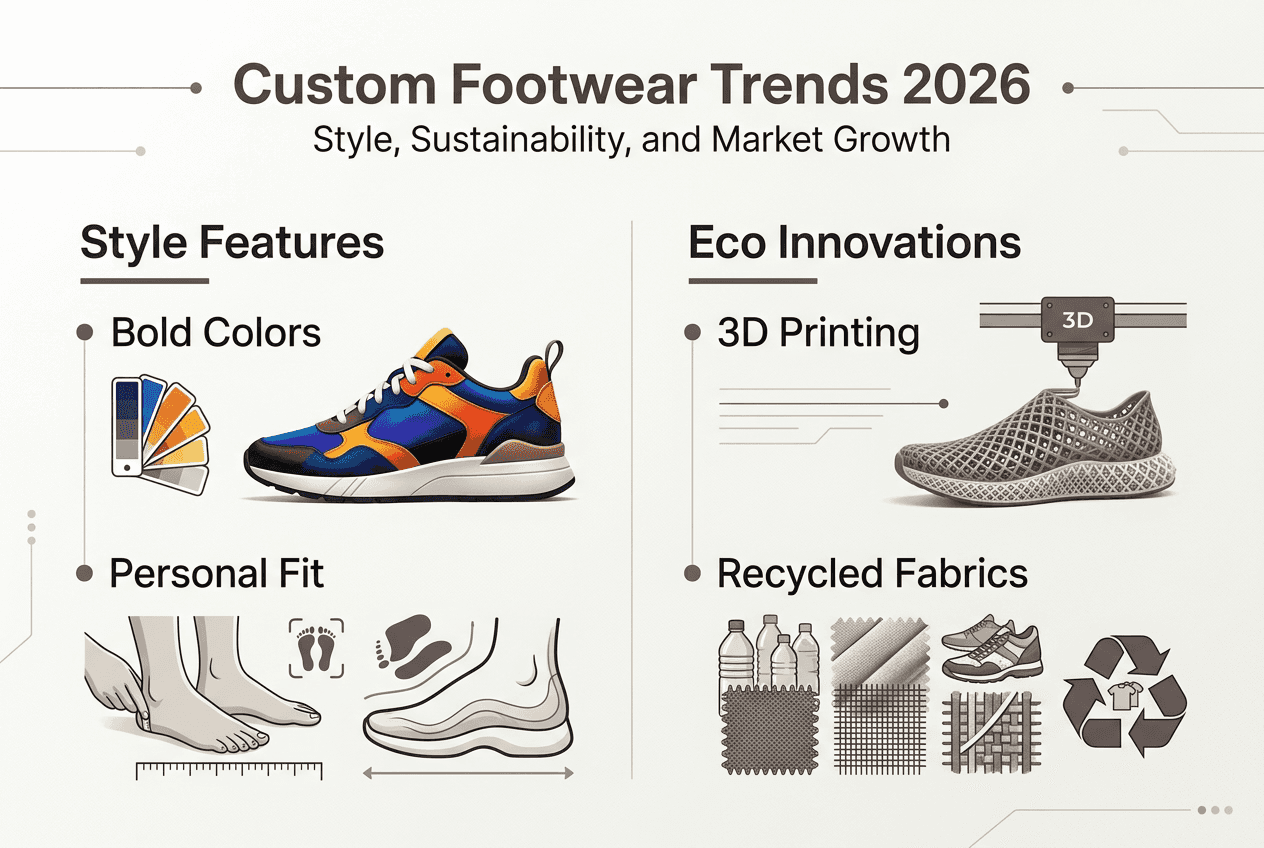
Men’s performance footwear leads current sales, but casual footwear grows fastest due to athleisure trends and work-from-home lifestyles. Women increasingly invest in versatile custom shoes that transition between professional and casual settings, prioritizing comfort without sacrificing style.
Asia Pacific emerges as the fastest-growing regional market. Rising incomes, increasing urbanization, and strong e-commerce infrastructure create ideal conditions for custom footwear adoption. The region’s fashion-forward consumers embrace personalization as a status symbol and practical choice.
Practical benefits that make custom footwear worth the investment:
- Perfect fit eliminates blisters, pinching, and long-term foot problems
- Unique designs ensure you never show up wearing the same shoes as someone else
- Sustainable materials and production align purchases with environmental values
- Emotional connection to shoes you designed increases satisfaction and wear frequency
- Higher quality construction means shoes last years instead of seasons
The price premium for custom shoes ranges from 30% to 200% depending on complexity and brand positioning. Most fashion-conscious buyers find the investment worthwhile given the combination of perfect fit, unique style, and longer lifespan. Cost per wear often ends up lower than cheap mass-produced shoes replaced every few months.
Ready-to-ship options now complement fully custom designs at many brands. These semi-custom shoes offer popular configurations available for immediate delivery, bridging the gap between mass production and complete personalization. You get unique style faster while still enjoying better fit than standard sizing.
Exploring footwear benefits and comfort helps you understand which customization options deliver the most value for your specific needs and preferences.
Discover custom footwear that matches your bold style and values
You’ve learned how custom footwear combines personalization, sustainability, and technology to deliver superior style and comfort. Prima Dons and Donnas brings these benefits together in curated collections designed for women who refuse to compromise. Our made-to-order approach means every pair is crafted specifically for you, in any size or color you envision.
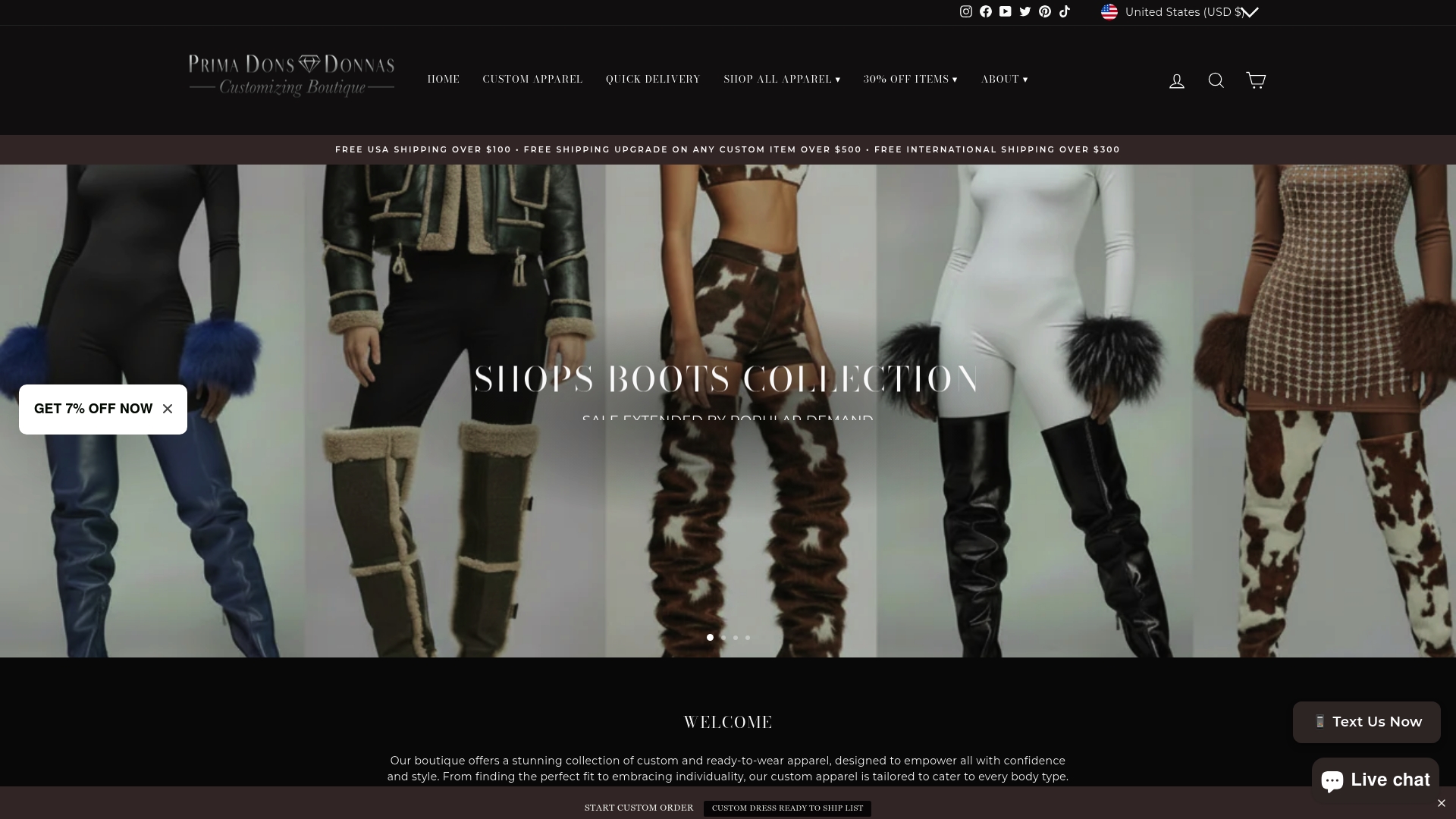
Explore custom shoes and sneakers that blend bold aesthetics with sustainable materials like high-quality faux fur. Our custom boots collection offers statement pieces tailored to your measurements for unmatched comfort and confidence. For special occasions, discover custom embellished shoes featuring intricate details that make you stand out. Ready-to-ship options provide quick delivery when you need bold style immediately. Experience footwear that empowers your individuality while respecting your values.
FAQ
What is the main advantage of custom footwear?
Personalized fit stands out as the primary benefit, eliminating common discomfort from mass-produced sizing that forces your feet into standardized shapes. Custom shoes also offer complete style control, letting you create designs that express your unique aesthetic rather than settling for what manufacturers guess might sell. The environmental advantage matters too, with made-to-order production reducing waste and allowing sustainable material choices.
How does custom footwear contribute to sustainability?
Additive manufacturing and digital production methods minimize material waste by using only what each shoe requires, eliminating the 15 to 30% scrap rate from traditional cutting processes. Made-to-order systems prevent overproduction, so shoes aren’t manufactured speculatively and discarded when they don’t sell. Growing consumer demand drives increased use of recycled materials and bio-based alternatives that significantly reduce carbon footprints compared to virgin synthetic materials.
Are custom shoes more comfortable than regular shoes?
Custom fit dramatically reduces foot pain by accommodating your specific foot shape, arch height, and width rather than forcing you into averaged sizing. Designs can address individual biomechanical needs like pronation correction or extra ankle support, preventing long-term joint stress. The ability to specify details like toe box room and heel pitch means you eliminate the pressure points and rubbing that cause blisters and discomfort in mass-produced shoes.
How can I order personalized footwear online?
Modern online configurators provide 3D visualization and real-time rendering that let you see exactly how your design choices affect the final product. You submit foot measurements through digital forms or smartphone scanning apps that capture dimensions more accurately than manual methods. Many brands like Prima Dons and Donnas offer seamless experiences combining web customization with expert support, making ordering made-to-measure footwear straightforward even if you’ve never done it before. The entire process typically takes 10 to 20 minutes from initial design to order confirmation.
Recommended
- Fashion sustainability trends 2026: bold eco-friendly style – Prima Dons & Donnas
- Bold statement outfit ideas 2026: sustainable custom style – Prima Dons & Donnas
- Conscious fashion choice in 2026: Bold, sustainable style – Prima Dons & Donnas
- What is sustainable fashion: A 2026 guide – Prima Dons & Donnas


Leave a comment