

Top benefits of custom footwear for fashion-forward women
TL;DR:
- Custom shoes provide a personalized fit, reducing foot pain and supporting unique foot shapes.
- They allow full creative control, enabling unique, expressive, and exclusive designs.
- Made-to-order shoes are more sustainable, last longer, and minimize waste compared to mass-produced footwear.
Mass-produced shoes promise style but rarely deliver on fit. You find a pair you love, only to discover the toe box is too narrow, the arch sits in the wrong place, or the color is close but not quite right. For women who care about how they look and how they feel, that gap is frustrating. Custom footwear closes it. From personalized measurements to bold, one-of-a-kind designs and eco-conscious materials, made-to-order shoes offer a clear advantage over anything sitting on a shelf. This guide covers every major benefit so you can decide if custom is the right move for your wardrobe.
Table of Contents
- Superior comfort through personalized fit
- Express your unique sense of style
- Sustainability and eco-conscious advantages
- Durability, health impact, and edge cases
- A fresh perspective: Why custom footwear is worth (or not) the investment
- Step into your custom footwear journey
- Frequently asked questions
Key Takeaways
| Point | Details |
|---|---|
| Perfect fit | Custom shoes are made to your exact measurements, making them more comfortable for all-day wear. |
| Unique style | You have full creative control, so every pair reflects your personal taste and fashion vision. |
| Sustainable impact | Custom footwear minimizes waste and lasts longer, supporting both your look and the environment. |
| Long-term value | Though pricier upfront, custom shoes outlast mass-market options, saving money over time. |
| Ideal for unique feet | Especially beneficial for women with hard-to-fit feet or specific orthotic needs. |
Superior comfort through personalized fit
Standard shoe sizing is built around averages. Most brands design for a narrow range of foot shapes, which means a large portion of shoppers are left with shoes that technically fit but never feel quite right. In fact, 63-72% of women wear the wrong size in mass-produced shoes, leading to pain, blisters, and long-term foot issues. That number is striking. It means the majority of women are walking around in shoes that are working against them.
Custom footwear solves this with a process built around your specific foot. Shoemakers use detailed measurements or 3D scans to create a last, which is a foot-shaped mold that serves as the foundation of your shoe. This last accounts for your arch height, toe length, heel width, and even differences between your left and right foot. The result is a shoe that supports your foot the way it actually exists, not the way a size chart assumes it does.
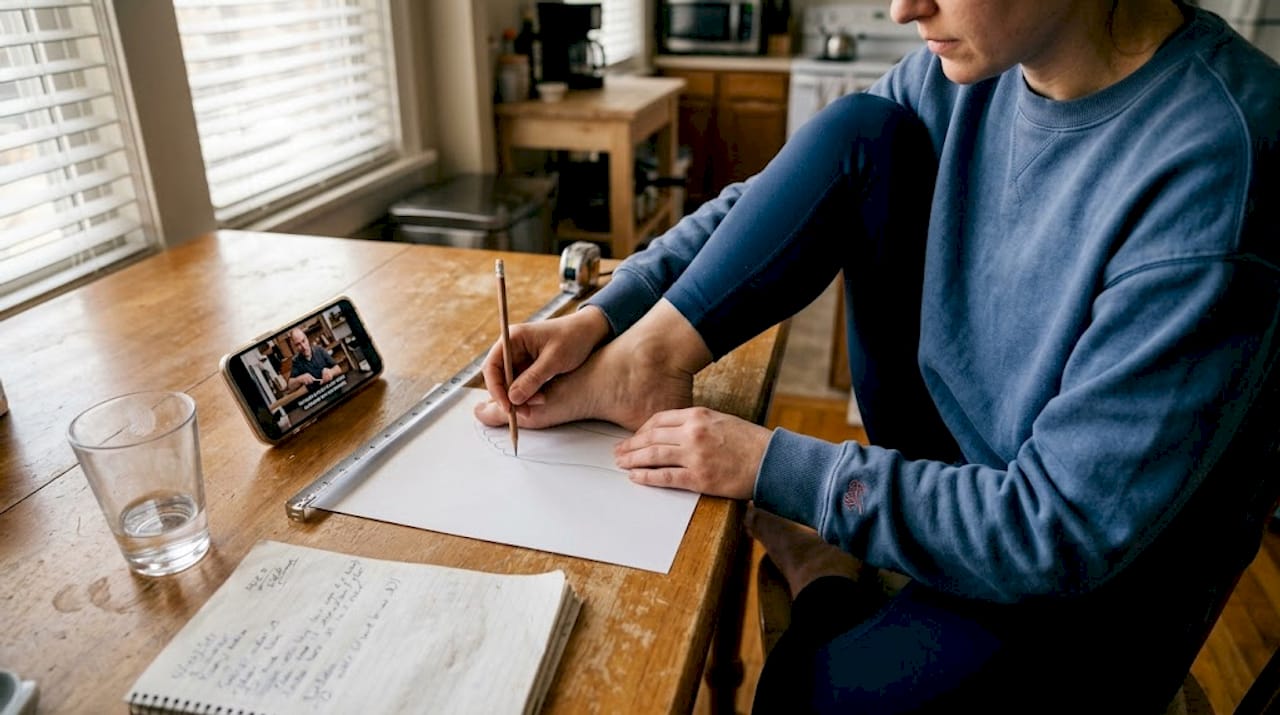
The benefits go beyond basic comfort. Proper fit reduces pressure on bunions, prevents the friction that causes blisters, and provides genuine arch support without the need for aftermarket insoles. Women with high arches, wide toe boxes, asymmetrical feet, or conditions like plantar fasciitis see the biggest gains. A personalized footwear fit guide can help you understand what measurements matter most before you order.
Here is what the process typically looks like from start to finish:
- Foot measurement or 3D scan to capture exact dimensions
- Last creation based on your unique foot shape
- Material and design selection tailored to your preferences
- Pattern cutting and construction by skilled craftspeople
- Fitting session or review to confirm comfort and adjustments
- Final delivery of a shoe built specifically for you
The made-to-order footwear benefits extend to everyday wearability, not just special occasions. And if you are newer to the process, finding the right sneakers for your foot type is a solid starting point before committing to a full custom order.
Pro Tip: Before your first custom order, trace both feet on paper and measure the widest point and longest toe. Many people discover their feet differ by nearly a full size.
For a deeper look at how custom compares to standard sizing, the breakdown of bespoke vs. ready-to-wear shoes covers the key trade-offs clearly.
Express your unique sense of style
Fit is only half the story. The other half is looking exactly the way you want to look. Mass-produced shoes are designed for the widest possible audience, which means they are rarely designed for you. Custom footwear flips that. Every design decision, from the material to the heel shape to the color of the stitching, is yours to make.
Custom footwear allows unlimited personalization so that no two pairs are identical. That exclusivity is part of the appeal. When you invest in a custom pair, you are not going to walk into a room and see someone else wearing the same shoes.
The creative range is wide. Think ice-cream-inspired pastel colorways, crystal embellishments along the toe strap, hand-painted details, or bold color-blocked silhouettes that do not exist anywhere in a retail store. Design collaboration with a skilled maker means your ideas get translated into a wearable piece of art. You describe the vision, they bring the technical skill, and the result is something genuinely original.
Here is what you can typically customize:
- Material: Satin, suede, leather, faux fur, embossed fabric
- Color: Any shade, gradient, or color-block combination
- Shape: Toe style, heel height, platform thickness
- Embellishments: Crystals, embroidery, metal hardware, bows
- Personalization: Initials, custom prints, unique lining
- Trim: Contrasting piping, fringe, feather detail
“The best custom shoes do not just fit your foot. They fit your personality. That is the difference between wearing a shoe and owning one.”
For women who lead with style, bold custom footwear design is one of the most direct ways to express identity through fashion. Whether you want something runway-worthy or subtly unique, tailor-made footwear gives you full creative control. Browsing top custom footwear picks is a great way to spark ideas before you start the design process.
For inspiration on what skilled artisans can produce, the world of bespoke handcrafted shoes showcases just how far custom design can go.
Sustainability and eco-conscious advantages
Fast fashion has a well-documented waste problem, and footwear is no exception. Mass-produced shoes are made in bulk, often with synthetic materials and short lifespans, contributing significantly to landfill waste. Custom footwear takes a different approach. Made-to-order production slashes carbon footprint compared to mass-produced shoes because nothing is manufactured until it is ordered. No overstock. No unsold inventory sitting in warehouses.
The materials matter too. Many custom shoemakers source vegetable-tanned leather, recycled textiles, or high-quality faux fur that avoids the ethical concerns of animal products while still delivering luxury feel. These materials are chosen for longevity, not just aesthetics.
| Factor | Mass-produced shoes | Custom-made shoes |
|---|---|---|
| Production waste | High (overstock common) | Minimal (made to order) |
| Material quality | Variable, often synthetic | Higher grade, longer lasting |
| Carbon footprint | Higher per unit | Lower due to on-demand production |
| Lifespan | 1-3 years average | 5-20+ years with care |
| Resoling option | Rarely available | Often supported |
The sustainability advantages stack up quickly. Buying one pair of custom shoes that lasts a decade is far better for the environment than buying five pairs of cheap shoes over the same period.
Key eco-advantages at a glance:
- Less production waste through on-demand manufacturing
- Longer product lifespan reduces replacement frequency
- Access to responsible, traceable materials
- Resoling and repair services extend shoe life further
- Fewer returns and sizing exchanges reduce logistics emissions
Pro Tip: Ask your custom shoemaker whether they offer resoling services. A quality pair with a replaceable sole can last decades, making the upfront cost far more reasonable over time.
For a broader view of how custom production supports responsible fashion, sustainable custom clothing and eco fashion for women are worth exploring. The case for bespoke footwear sustainability goes deeper than most people expect.
Durability, health impact, and edge cases
Custom shoes are built to last. The craftsmanship behind a made-to-order pair is fundamentally different from assembly-line production. Custom leather shoes last 5-20+ years, and custom orthoses reduce pain while improving overall foot health. That lifespan alone changes the cost-per-wear calculation significantly.
| Feature | Custom shoes | Mass-market shoes |
|---|---|---|
| Average lifespan | 5-20+ years | 1-3 years |
| Arch support | Built to your foot | Generic, one-size |
| Pain reduction | High (personalized fit) | Low to moderate |
| Resoling | Yes | Rarely |
| Material grade | Premium | Variable |
For women with specific foot conditions, the health benefits are especially significant. Custom orthoses improve foot morphology and reduce pain, according to clinical research. This applies to conditions like bunions, plantar fasciitis, accessory navicular syndrome, and uneven gait patterns.
How to decide if custom is right for you:
- Assess your pain level: Frequent foot pain or blisters after short wear is a clear signal
- Check your fit history: If you consistently size up, down, or wide, standard sizing is failing you
- Consider your conditions: Bunions, asymmetry, high arches, or flat feet benefit most
- Evaluate your lifestyle: High-wear shoes for daily use justify the investment more than occasional pairs
- Review your budget: Custom is an investment, but the cost-per-year often beats fast fashion
“For true orthopedic results, a clinical biomechanical evaluation is the most reliable starting point. Style and comfort can coexist, but the foundation has to be built on accurate data about how your foot actually moves.”
For understanding bespoke footwear in full, the distinction between fashion-driven custom and medically driven custom matters. And for those wondering about orthotic specifics, true custom orthotic guidelines clarify what qualifies as genuinely custom versus mass-customized.
A fresh perspective: Why custom footwear is worth (or not) the investment
Not every woman needs bespoke shoes. That is the honest answer. If your feet fall within standard sizing, you experience no chronic pain, and your style needs are met by quality ready-to-wear brands, custom footwear is a luxury rather than a necessity.
But for fashion-forward women with unique feet or strong personal style, the value shifts considerably. The myth that custom always means better is worth questioning. A poorly made custom shoe is worse than a well-made off-the-shelf one. What matters is the quality of the maker, the accuracy of the measurements, and whether the design serves your actual life.
The real case for custom comes down to this: invest in what you wear most. A few key custom pairs, chosen for daily use or signature style moments, can transform both your comfort and your wardrobe identity. The bespoke vs. mass-custom analysis makes it clear that the decision should be informed, not just trend-driven. Lead times, cost, and care requirements all factor in. Custom footwear rewards intentional buyers.
Step into your custom footwear journey
Feeling inspired to upgrade your wardrobe? Prima Dons and Donnas offers made-to-order footwear and apparel designed for women who want bold style, precise fit, and conscious craftsmanship in one place.
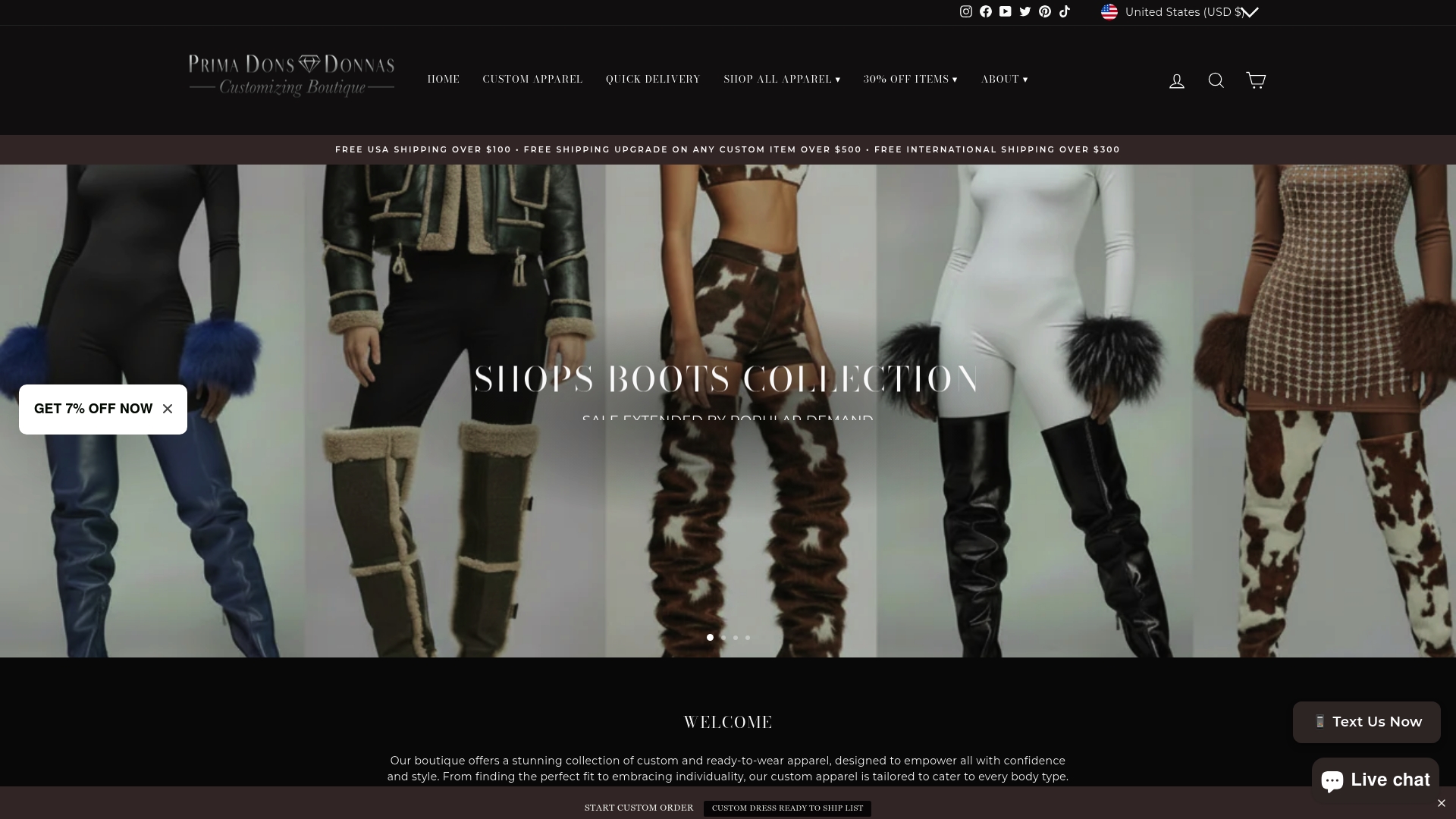
Browse custom embellished shoes for statement-ready designs, or explore the made-to-order dress collection to build a complete look from the ground up. Need something for cooler seasons? The custom boots collection delivers the same personalized approach in a range of styles and colors. Ready-to-ship options are also available for faster delivery. Every piece is crafted to your size, your color, your vision.
Frequently asked questions
Is custom footwear always more comfortable than off-the-shelf shoes?
Custom footwear usually provides better comfort, especially for unique foot shapes or fitting issues. That said, mass-custom works well for most standard feet, and high-quality ready-to-wear can be sufficient.
How much do custom shoes typically cost?
Custom shoes often start in the low thousands of dollars depending on materials and design complexity. The upfront cost reflects the craftsmanship and long-term value built into each pair.
Are custom shoes more sustainable than regular shoes?
Yes. Custom shoes reduce overproduction waste, use higher-grade materials, and last significantly longer. Made-to-order reduces carbon footprint and extends shoe lifespan well beyond mass-market alternatives.
Do I need custom shoes if my feet are average?
Not necessarily. For standard sizes and no chronic foot issues, quality ready-to-wear shoes can be both sufficient and cost-effective. True bespoke custom delivers the most value for unique foot structures or strong style preferences.
How long do custom shoes last compared to mass-produced ones?
Custom shoes can last 5-20 years or longer with proper care and resoling. Custom leather shoes last far longer than the average mass-produced pair, which typically wears out within one to three years.


Leave a comment