

Fashion-Forward Sizing Explained: Get a Flawless Fit
TL;DR:
- Fashion-forward sizing is a design approach focused on creating clothing that fits and styles diverse bodies from the start.
- Technology like 3D digital grading enables brands to test and perfect fit across many body types efficiently and sustainably.
- Genuine fashion-forward sizing requires brands to invest in dedicated pattern blocks, diverse fit models, and transparent processes.
More than 30% of all online fashion purchases are returned because of poor fit. That number tells a painful story for women who want bold, statement-making style but keep running into the same wall: clothing designed for a narrow, outdated idea of what a body looks like. “Inclusive sizing” has become a popular phrase, but a bigger label range does not automatically mean better fit or smarter design. Digital grading with 3D software like CLO is changing that, enabling virtual fit testing on diverse body avatars. This article breaks down exactly what fashion-forward sizing is, how it works, and how you can shop for it with confidence.
Table of Contents
- What fashion-forward sizing really means
- How fashion-forward sizing is created: Innovation and technology
- Why sizing innovation matters: Real-world impact for fashion lovers
- How to shop for and style fashion-forward sizing
- Fashion-forward sizing: Why most brands still get it wrong
- Discover your perfect fit with custom, fashion-forward style
- Frequently asked questions
Key Takeaways
| Point | Details |
|---|---|
| Fashion-forward sizing defined | It’s more than just inclusive sizing—it means designing statement-making clothes for every body from the start. |
| Tech-driven fitting | Digital tools and innovative fabrics help brands deliver better, more sustainable fits. |
| Personal style empowerment | Women of all sizes gain more confidence, fewer returns, and broader fashion options with fashion-forward sizing. |
| Real change requires commitment | Look for brands that prioritize true proportionate design, not just extended sizes. |
What fashion-forward sizing really means
Building on the need for a better fit, let’s break down what fashion-forward sizing actually means and what it doesn’t.
Fashion-forward sizing is not a marketing phrase. It is a design commitment. It means creating clothing that prioritizes both style and fit for every body type, not as an afterthought, but from the very first pattern draft. The distinction matters because a lot of what gets sold as “inclusive sizing” is simply taking a standard size 12 pattern and mathematically scaling it up or down. That approach ignores the real differences in how bodies are proportioned.
A size 22 body is not just a size 12 with larger numbers. The bust, waist, and hip ratios shift. The rise of a trouser needs rethinking. Sleeve placement and shoulder width require dedicated attention. When brands skip these adjustments, the result is clothing that technically fits in circumference but pulls, gaps, or bunches in all the wrong places. That is not fashion forward. That is just extended.
True fashion-forward sizing designs from diverse bodies outward, using size-specific blocks and involving size-diverse stylists and fit models throughout the entire design process, rather than only at the end.
Key principles of fashion-forward sizing:
- Proportional pattern blocks for each size range, not scaled copies
- Fit testing on real, diverse bodies across the full size spectrum
- Style integrity maintained at every size, so the garment looks intentional and bold regardless of who wears it
- Fabric behavior considered at each size point, because stretch and drape change with scale
- Customer feedback built into the iteration cycle
“The difference between inclusive sizing and fashion-forward sizing is where the design process starts. If you’re starting from a size 6 and adding inches, you’re not designing for those bodies. You’re approximating them.” — Industry insight on sizing philosophy
Understanding custom sizing benefits makes it easier to see why this foundational shift in design thinking is so important. When you know your clothing was built with your proportions in mind from the start, confidence follows naturally. And the importance of size inclusivity goes beyond just body positivity. It is about giving every woman access to inclusive fashion that looks and feels intentional, not adjusted.
How fashion-forward sizing is created: Innovation and technology
Now that you understand the philosophy, let’s look at how brands are making fashion-forward sizing a reality through technology.
The gap between a garment that fits perfectly and one that fits almost has traditionally been bridged by expensive, time-consuming physical sampling. Brands would produce multiple rounds of physical prototypes, fit them on a small group of models, make adjustments, and repeat. The process was slow, resource-heavy, and still not representative of most bodies. Technology is now solving all three of those problems at once.
3D digital grading is one of the most significant advances in fashion production. Digital grading with CLO software enables designers to create virtual garments and test them on digital avatars representing dozens of body types simultaneously. Adjustments are made in real time, and proportion integrity is maintained across every size. The result is a faster, more accurate fitting process that doesn’t rely on a single standard body as the baseline.
The sustainability benefits are real and measurable. Digital prototyping reduces physical samples, cutting fabric waste and lowering the carbon footprint of the sampling process. Fewer physical returns mean less packaging waste and fewer transport emissions. It is a win for both fit accuracy and environmental responsibility.
Emerging materials are adding another layer of innovation. Auxetic fabrics, which expand in two directions simultaneously when stretched, offer remarkable adaptability for diverse body shapes. These textiles provide comfort without sacrificing structure, making them an exciting development for sustainable fashion innovations in the plus-size and custom clothing space.
| Process | Traditional sizing | Fashion-forward sizing |
|---|---|---|
| Pattern development | Scale from one base size | Dedicated block per size range |
| Fit testing | Physical samples, one body type | 3D avatars, multiple body types |
| Sample rounds | 5 to 8 per style | 1 to 2 digital rounds |
| Fabric consideration | Uniform across sizes | Adjusted for behavior at each size |
| Sustainability impact | High waste, high returns | Reduced waste, fewer returns |
| Consumer satisfaction | Inconsistent | Significantly improved |
These advances are already visible in eco-friendly plus-size trends, where brands are combining technical precision with bold, statement-ready design to serve fashion-conscious women who want both style and sustainability.
Pro Tip: When shopping a brand that claims tech-driven sizing, look for specific mentions of digital fit testing, 3D grading, or multiple fit models across the size range. Vague promises like “designed for all bodies” without any process transparency are a red flag.
Why sizing innovation matters: Real-world impact for fashion lovers
Understanding how fashion-forward sizing is made sets the stage to see why it genuinely matters for your wardrobe and shopping satisfaction.
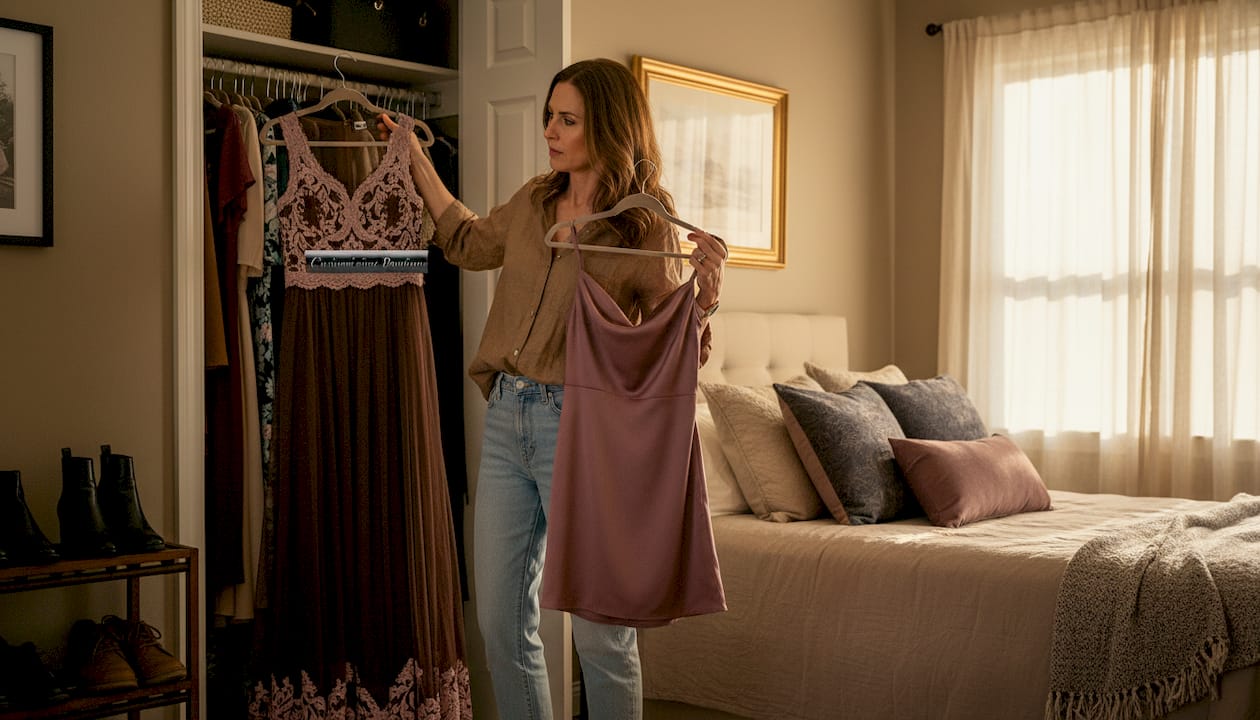
The emotional and practical cost of poor fit is significant. When clothing doesn’t fit well, most women don’t blame the brand’s process. They blame themselves. That cycle of self-criticism connected to ill-fitting clothes has a real effect on confidence, body image, and even willingness to try bold, statement-making styles. Fashion-forward sizing interrupts that cycle by making well-fitting, visually striking clothing accessible to every body.
The market is responding to this demand in a significant way. The plus-size market is growing from $1.25 billion to a projected $2.27 billion by 2033, reflecting a compound annual growth rate of 7.15%. That is not a niche. That is a mainstream shift in how fashion is designed, marketed, and consumed. Brands that respond to this with genuine design investment, not just expanded size charts, are the ones seeing real results.
The conversion data backs this up. Brands like Eloquii that have invested in petite-tall plus options report a 45% conversion lift from customers who find proportional fit options, compared to standard extended sizing. That number reflects real women making purchases because they finally found something that works for their specific body.
| Old sizing problem | Fashion-forward solution |
|---|---|
| High return rates from poor fit | Digital fit testing reduces size-related returns |
| Style compromises for larger sizes | Full design integrity at every size point |
| Low confidence in bold pieces | Statement styles designed for diverse bodies |
| One-size-fits-none proportioning | Dedicated blocks per size group |
| Limited color and silhouette options | Custom-to-order variety in any size or color |
True fashion-forward sizing also means that stylists and designers who reflect the diversity of the customer base are involved in the creative process. When size-diverse teams create the clothing, the results feel intentional, wearable, and genuinely stylish.
Reading tips for size-inclusive shopping helps you spot brands doing this work correctly. And when you find them, the payoff goes beyond fit. It extends into genuine style freedom, empowering confidence, and the ability to wear what you love without compromise.
How to shop for and style fashion-forward sizing
Armed with these insights, let’s get practical about how you can embrace fashion-forward sizing in your next shopping trip.
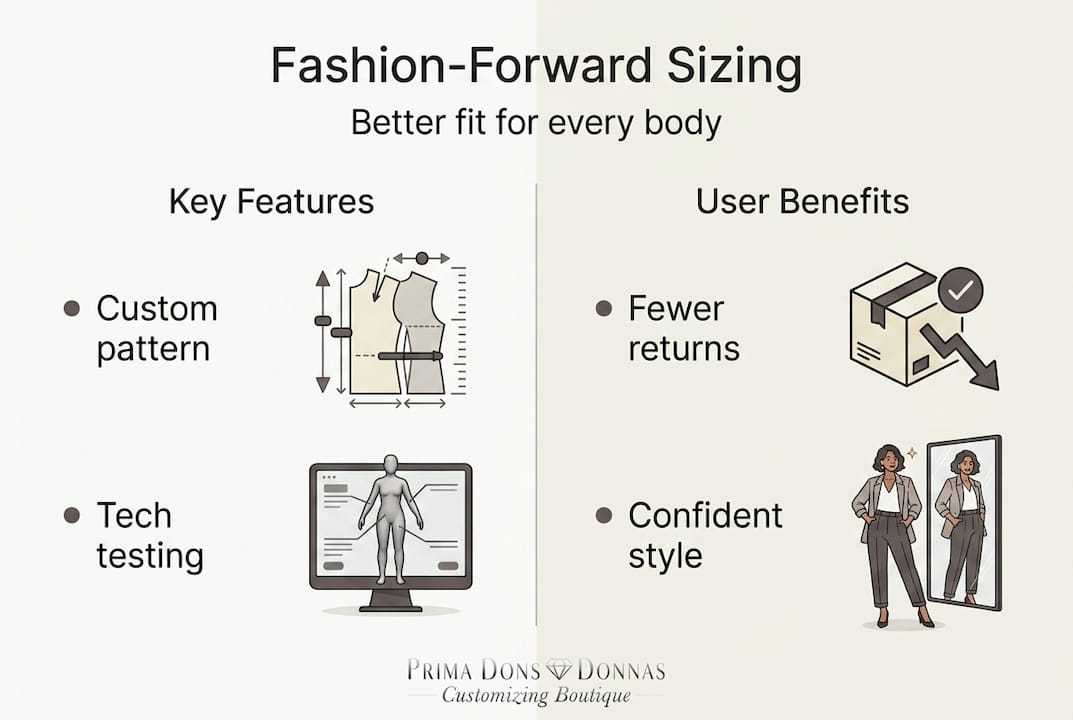
Knowing the difference between real fashion-forward sizing and extended sizing that just renamed itself takes a bit of detective work. The good news is that there are clear signals to look for. Check whether the brand lists multiple fit models across size ranges in their imagery. Read reviews with attention to comments about proportions, not just overall size accuracy. Look for brands that share details about their pattern-making and fitting process.
The plus-size fashion market growth has pushed many brands to make more transparent claims, but the most credible ones back those claims with specifics. Look for language around “proportional grading,” “plus-specific fit blocks,” or “fit tested across sizes 0 to 28” rather than just “available in sizes up to 3X.”
5 steps to find and style fashion-forward pieces:
-
Research before you buy. Visit the brand’s fit page or sizing guide. Brands committed to fashion-forward sizing typically share detailed measurement charts, multiple body-type photos, and notes about how each style fits different proportions.
-
Prioritize statement silhouettes. Fashion-forward sizing should mean access to bold styles, not just basics. If a brand’s extended sizes only come in plain cuts, that’s a sign they’re not fully invested in the philosophy.
-
Read the reviews by body type. Look for reviews from women with a similar shape. Pay attention to comments about where a garment pulls or gaps. These details tell you more than the size chart alone.
-
Try made-to-order or custom options. Custom and made-to-order fashion solves the fit problem completely. You provide your exact measurements, and the garment is built around your specific body. No compromise required.
-
Own your measurements with confidence. Your measurements are data, not a judgment. When you share accurate numbers for a custom order, you get better results. Precision is your best styling tool.
Pro Tip: When ordering custom or made-to-order fashion, measure yourself in the undergarments you plan to wear with the piece. Bra style and shapewear can shift measurements by 1 to 2 inches, which matters when a garment is built exactly to your specs.
Exploring plus-size style tips gives you a strong foundation for building a wardrobe around pieces that actually fit and reflect your personal style. And browsing bold style examples shows what’s possible when design meets real craftsmanship.
Fashion-forward sizing: Why most brands still get it wrong
Before you fill your cart, it’s important to know where most brands still fall short and how you can spot genuine commitment to fashion-forward sizing.
Most brands are still treating fashion-forward sizing as a marketing exercise rather than a design philosophy. They add sizes to a chart, feature a wider range of models in lookbooks, and call it inclusive. The patterns behind the clothing? Still graded from the same narrow base. The result is a cycle of disappointment that women in extended sizes know all too well: the size technically fits, but the style doesn’t land the way it should.
Real progress looks different. It shows up in process details. Does the brand use dedicated plus-size pattern blocks? Are fit models with diverse body types involved from sample stage one, not just for final photography? Is there any mention of 3D fit technology or proportional grading in their production notes? These are the questions that separate marketing language from genuine design investment.
The uncomfortable truth is that true fashion-forward sizing requires brands to spend more time and money on development. Many aren’t willing to do that, especially when adding larger sizes to an existing line looks similar from the outside. As a shopper, your job is to demand more. Ask questions. Support brands that answer with specifics.
Confidence through true inclusivity starts with knowing what you deserve. A garment that fits you well at every size is not a luxury. It is the standard all fashion should meet.
Discover your perfect fit with custom, fashion-forward style
If you’re ready to shop brands making real progress, here’s how you can take the next step toward your own flawless fit.
Prima Dons and Donnas builds every piece around you. Made-to-order means your measurements, your color choices, your silhouette. No compromising on fit to access a bold look. Every style is designed with proportion and wearability in mind, so you get statement fashion that actually works for your body. Ready-to-ship options are also available when you need something fast without sacrificing quality.
Browse the made-to-order dress collection for custom-fit dresses built to your exact size and color preference. Or explore custom apparel for a full range of statement pieces tailored to your shape. Real fashion-forward sizing starts with a brand that builds clothing for you, not around a standard size chart.
Frequently asked questions
What exactly is fashion-forward sizing?
Fashion-forward sizing prioritizes both style and fit by designing clothing for all body types from the ground up. True fashion-forward brands design from diverse bodies outward, using dedicated size blocks rather than simply extending straight sizes without proportion adjustments.
How does technology improve fashion-forward sizing?
Digital grading with CLO and virtual fit testing on diverse body avatars allow brands to ensure accurate proportions across all sizes and significantly reduce the returns caused by poor fit.
Is fashion-forward sizing only for plus sizes?
No. Fashion-forward sizing creates better fits and bolder style options for petite, tall, plus, and all body types. Brands like Eloquii offer petite-tall plus options that demonstrate how proportional grading benefits the full size spectrum.
What fabrics are used in fashion-forward sizing?
Innovative materials like auxetic textiles are gaining traction because they expand in two directions when stretched, offering greater adaptability and comfort for diverse body shapes while supporting sustainability goals.
How can I tell if a brand uses real fashion-forward sizing?
Look for brands that disclose their fitting process, use multiple fit models across size ranges, reference proportional grading or 3D fit testing, and offer detailed measurement guides rather than a generic size chart.
Recommended
- Made-to-Order Sizing Guide for Perfect Fit Fashion – Prima Dons & Donnas
- Why custom sizing matters: fit, style, and sustainability – Prima Dons & Donnas
- Top tips for personalized fit: elevate made-to-order style – Prima Dons & Donnas
- 6 Essential Tips for Size-Inclusive Shopping Success – Prima Dons & Donnas


Leave a comment