

Top tips for personalized fit: elevate made-to-order style
TL;DR:
- Accurate body measurements are essential for achieving a truly personalized fit.
- Multiple fittings and adjustments refine garments for maximum comfort and precision.
- Made-to-order fashion promotes sustainability by reducing waste and ensuring better long-term wear.
Getting clothes and shoes that truly fit your body is harder than it sounds. Even with thousands of options available, most ready-made pieces are built around an average that rarely matches any real person. The result? Garments that pull at the shoulders, waist, or hips, and shoes that pinch or slip. Made-to-order fashion solves this, but only when you approach it with the right knowledge. These seven research-backed tips walk you through every stage, from taking your first measurement to navigating fittings and making smarter, more sustainable choices.
Table of Contents
- Start with accurate body measurements
- Understand the power of fittings and adjustments
- Tailor for sustainability and smart shopping
- Tackle unique fit challenges with tech and expertise
- Why personalized fit should never be an afterthought
- Discover your perfect fit with Prima Dons & Donnas
- Frequently asked questions
Key Takeaways
| Point | Details |
|---|---|
| Measure with precision | Accurate measurements are the foundation of a flawless personalized fit. |
| Prioritize fittings | Multiple fittings ensure adjustments for posture, comfort, and your unique preferences. |
| Choose sustainable custom | Smart, tailored choices reduce waste and maximize wardrobe longevity. |
| Use tech plus tailoring | The best fit results from advanced measurement tools combined with expert insight. |
Start with accurate body measurements
For an exceptional personalized fit, it all begins with knowing your unique dimensions. This sounds simple, but most people have never taken a proper measurement in their lives. Guessing your size or relying on a tag from a different brand is where fit problems start.
The key areas to measure for clothing include bust, waist, hips, and shoulder width. For footwear, you need foot length, width, arch height, and girth. Accurate measurements are foundational for personalized fit in both custom clothing and footwear, and each of these data points plays a specific role in how a finished piece will feel on your body.
Tools you can use:
- A soft tape measure for clothing measurements
- Paper and a pen for foot tracing
- A ruler or foot gauge for length and width
- Smartphone scanning apps for faster, more detailed results
Technology has made this process significantly more reliable. 3D body scanning captures over 20 biometric variables with 98% scan-to-last accuracy, which means the data sent to your maker is far more precise than anything a tape measure alone can deliver. Researchers also identified proportion, drop, and posture as key fit factors accounting for 71.4% of variance in fit outcomes.
For a deeper walkthrough, the measuring for made-to-order guide covers every step. You can also reference the clothing measurement guide or the made-to-measure footwear resource for shoes specifically.
Record your measurements in a document you can update. Bodies change with seasons, weight shifts, and age. Re-measuring every six months or after any noticeable physical change keeps your custom orders accurate.
Pro Tip: Always measure at the end of the day when feet are slightly swollen. This gives you the most realistic size for footwear comfort.
Understand the power of fittings and adjustments
Once you have your measurements, the fitting process turns numbers into wearable perfection. Measurements are the foundation, but fittings are where the real magic happens.
A standard custom garment goes through multiple stages before it is finished:
- Muslin or toile fitting — A mock-up in inexpensive fabric is made first. This is where major structural changes happen: length, silhouette, and proportions.
- Basted fitting — The actual fabric is loosely assembled. Adjustments here are smaller, focusing on how the piece moves with your body.
- Final fitting — The finished garment is reviewed for comfort, drape, and preference. Minor tweaks are made before completion.
Multiple fittings refine the result at each stage, with each session addressing posture, movement, and personal preferences. This layered approach is what separates a truly custom piece from anything off the rack.
“The fitting process is where your measurements become your garment. Every adjustment is a step closer to something that feels like it was made only for you.”
Time is part of the equation. Custom garments can take 6 to 8 months for fully bespoke work, with 50 to 60 hours of labor involved. Even faster made-to-order timelines require patience. The payoff is a piece that fits better and lasts longer than anything fast fashion offers.
For a step-by-step overview, the guide on ordering made-to-measure clothing explains the full process. The made-to-order sizing resource also breaks down how sizing translates into real garment dimensions.
Pro Tip: Speak up at every fitting. If something feels tight, short, or awkward, say it. Your maker cannot fix what they do not know about.
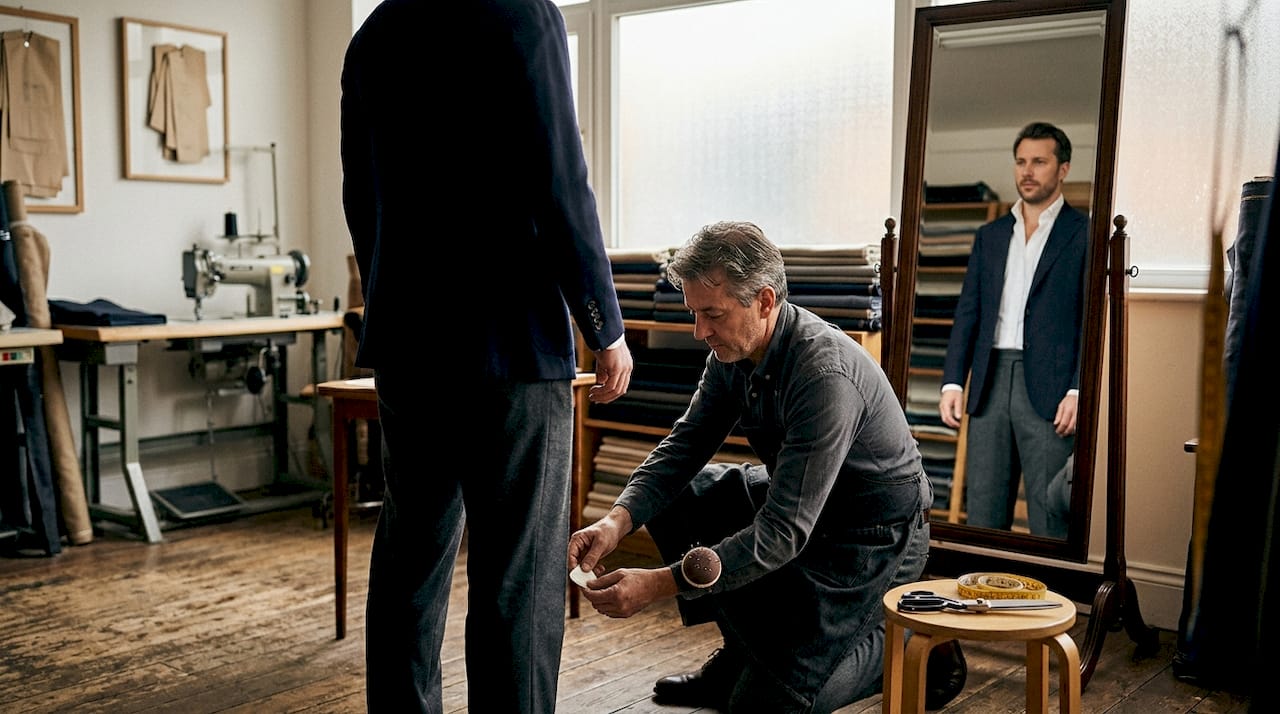
For additional expert tailoring advice, GQ’s guide on suiting is a useful reference for understanding what skilled tailors look for during fittings.
Tailor for sustainability and smart shopping
A personalized fit is not just about looks or comfort. It is at the core of sustainable, mindful style. Every piece that fits perfectly is a piece you will actually wear, and that changes everything about your fashion footprint.
Made-to-order production works on demand. Nothing is manufactured until you place your order, which means no excess inventory sitting in a warehouse. This model directly reduces overproduction, one of the fashion industry’s biggest waste problems.
Sustainable fit habits to build:
- Review your measurements before every order to reduce fit uncertainty
- Ask questions about sizing before purchasing, especially for new silhouettes
- Request adjustments like lengthening or shortening rather than returning items
- Choose timeless silhouettes over trend-driven shapes for longer wear
- Prioritize quality materials that hold their shape and structure over time
- Consider how a piece works across multiple occasions before ordering
Sustainable made-to-order brands report that roughly 1 in 3 orders includes a length or fit adjustment, and proactively requesting measurements reduces returns significantly. When you know your numbers and communicate them clearly, you get it right the first time.
The guide on choosing made-to-order fashion explains why this model is better for both the customer and the planet. For more on material and style choices, the sustainable fashion options and eco-chic choices guides are worth reading.
Custom fit means buying less but wearing more. That is the simplest definition of sustainable luxury.
Tackle unique fit challenges with tech and expertise
But what if your body or feet do not fit the mold? Here is how technology and expert hands rise to the ultimate fit challenge.
Not every body follows standard proportions. Asymmetrical bodies and feet, high arches, wide or narrow heels, and postural differences all require custom parameters that standard sizing simply cannot address. Toe box length, instep height, and shoulder slope adjustments are examples of the details that make the difference between a piece that fits and one that truly works.
| Fit approach | Accuracy | Best for | Limitations |
|---|---|---|---|
| Tech only (AI/3D scan) | Up to 98% geometry | Standard proportions, initial sizing | Misses posture nuance, personal preference |
| Tailor only | High, experience-based | Complex adjustments, fine-tuning | Time-intensive, subjective |
| Hybrid (tech + tailor) | Highest overall | Asymmetry, edge cases, bespoke | Requires both resources |
AI and 3D scanning deliver 98% geometric accuracy for initial sizing, but hybrid verification with an expert tailor catches what technology alone misses. Virtual fitting tools can also identify imbalances before production begins, saving time and materials.
The guide on tech for personalized fashion covers how these tools are changing what is possible for custom fit.
When to bring in an expert: if you have been told you are between sizes, if one shoulder sits higher than the other, or if shoes consistently feel right on one foot and wrong on the other, these are signs that a skilled maker needs to be involved.
Pro Tip: Note left and right differences before ordering. Most people have one foot slightly larger or one shoulder slightly lower. Flag these details to your maker upfront for a result that accounts for your actual body, not a symmetrical average.
Why personalized fit should never be an afterthought
After all the practical steps, it is worth asking: why prioritize personalized fit over the latest styles or fastest shopping?
The uncomfortable truth is that most women settle for close-enough fits because fast fashion makes it easy and cheap to do so. A blouse that almost fits gets worn twice and forgotten. A dress that truly fits gets worn for years. The math is obvious, but the habit is hard to break.
Technology alone is not the answer. Neither is a single fitting with a tailor. The benefits of made-to-order come through when both are combined: precise data from scanning, refined by human judgment and experience. One without the other leaves gaps.
Timeless style always starts with fit. A well-fitted piece in a classic silhouette will outlast any trend-driven item that does not sit right on your body. Personalized fit is not a luxury add-on. It is the foundation of a wardrobe that actually works.
The hard-won lesson: always address shoulder fit and collar placement first. These two points dictate how everything else hangs and moves. Get them right, and confidence follows naturally.
Discover your perfect fit with Prima Dons & Donnas
Ready to turn these expert tips into statement pieces? Prima Dons & Donnas brings custom fit to life across every collection.
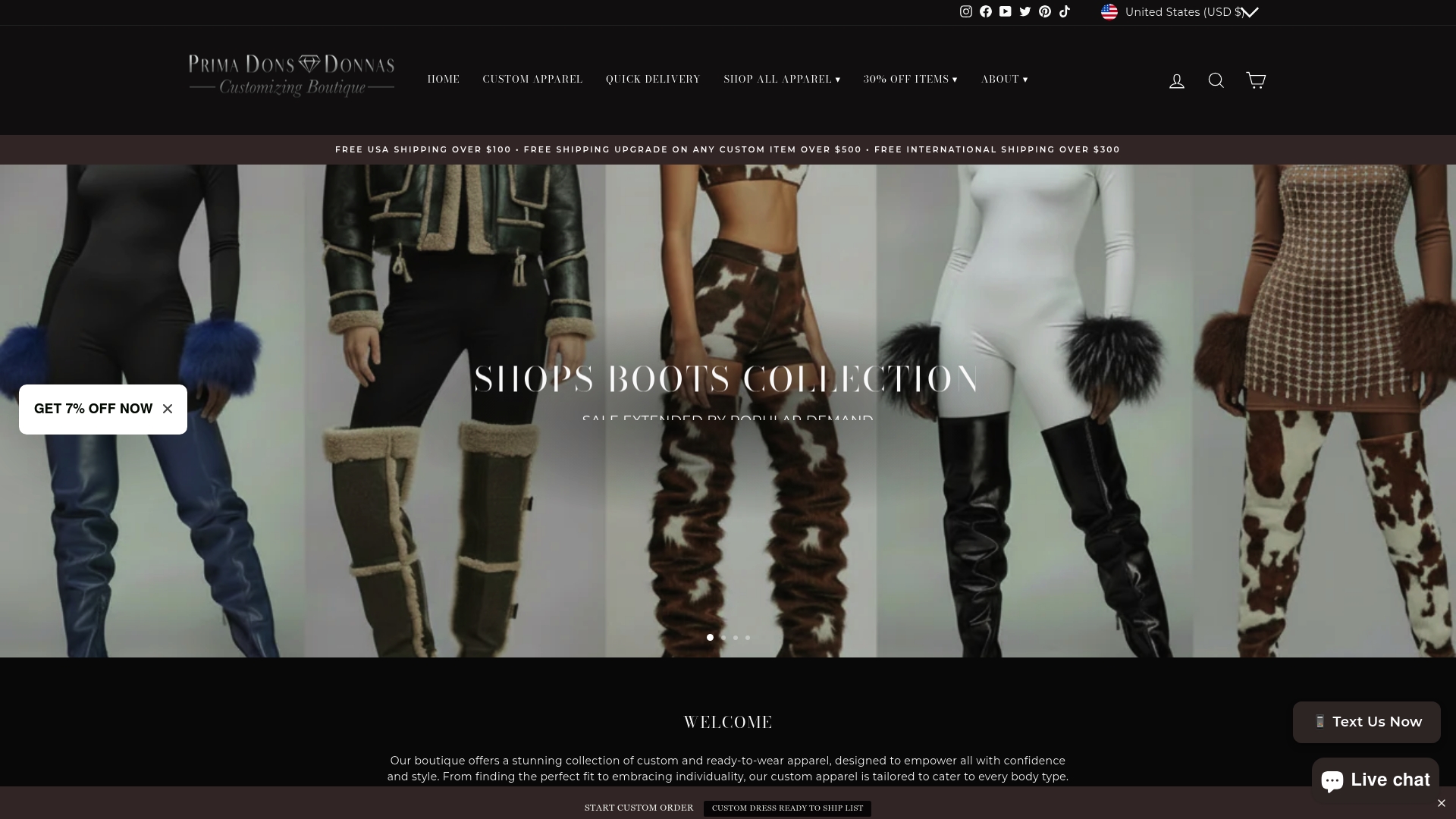
Every piece is crafted to your exact measurements, available in any size or color. Browse the made-to-order dress collection for bold silhouettes built around your body. Explore custom shoes and sneakers designed for your exact foot dimensions. Shop the full custom apparel collection for outerwear, tops, and more. Ready-to-ship options are also available for faster delivery without sacrificing quality. Sustainable materials, exclusive designs, and a fit that is yours alone.
Frequently asked questions
How do I take measurements for personalized fit at home?
Use a soft tape measure for bust, waist, hips, and feet, or try a 3D scanning app for higher accuracy. Accurate measurements are the foundation of every successful made-to-order piece.
How many fittings are needed for a made-to-order piece?
Most custom garments require 2 to 3 fittings covering major adjustments, minor tweaks, and final refinement before the piece is complete.
Why is personalized fit considered more sustainable?
A perfect fit means fewer returns and longer wear, which directly cuts waste. On-demand production also eliminates overstock, making made-to-order one of the most responsible ways to shop.
Who should consider advanced customizations in fit?
Anyone with asymmetrical bodies or feet, high arches, wide or narrow heels, or postural differences benefits most from custom parameters and a hybrid tech-plus-tailor approach.
Recommended
- Why Tailor-Made Footwear Elevates Your Style – Prima Dons & Donnas
- Personalized Footwear: Style, Fit & Sustainability Guide – Prima Dons & Donnas
- How to Order Made-to-Measure Clothing for Confidence – Prima Dons & Donnas
- How to Style Custom Clothing for Unique, Confident Looks – Prima Dons & Donnas
- Pair streetwear with basics: a guide to effortless style – Klepsa


Leave a comment