

Purpose-Driven Fashion Defined: Your 2026 Style Guide
TL;DR:
- Purpose-driven fashion emphasizes ethical labor practices, environmental sustainability, and authentic storytelling in clothing creation. It requires brands to meet strict certifications and transparency standards, distinguishing genuine commitment from marketing noise. Supporting these brands shifts market incentives toward responsible production and fosters deeper consumer-brand loyalty.
Purpose-driven fashion is defined as a design and business philosophy that integrates ethical labor practices, environmental responsibility, and intentional storytelling into every stage of clothing creation. The industry term most closely aligned with this concept is conscious fashion, though purpose-driven fashion goes further by adding brand mission and narrative as core pillars. 71% of Gen Z consumers are willing to pay a premium for products supporting social or environmental causes, which signals a permanent shift in how people buy clothes. Certifications like GOTS (Global Organic Textile Standard), Fairtrade, and B Corp have become the benchmarks consumers use to separate genuine commitment from marketing noise. Understanding this concept is the first step toward building a wardrobe that reflects who you actually are.
What core values define purpose-driven fashion?
Purpose-driven fashion rests on three foundational pillars: social responsibility, environmental sustainability, and authentic brand storytelling. Each pillar is non-negotiable. A brand that pays fair wages but uses toxic dyes is not purpose-driven. A brand that uses organic cotton but hides its factory conditions is not purpose-driven either.
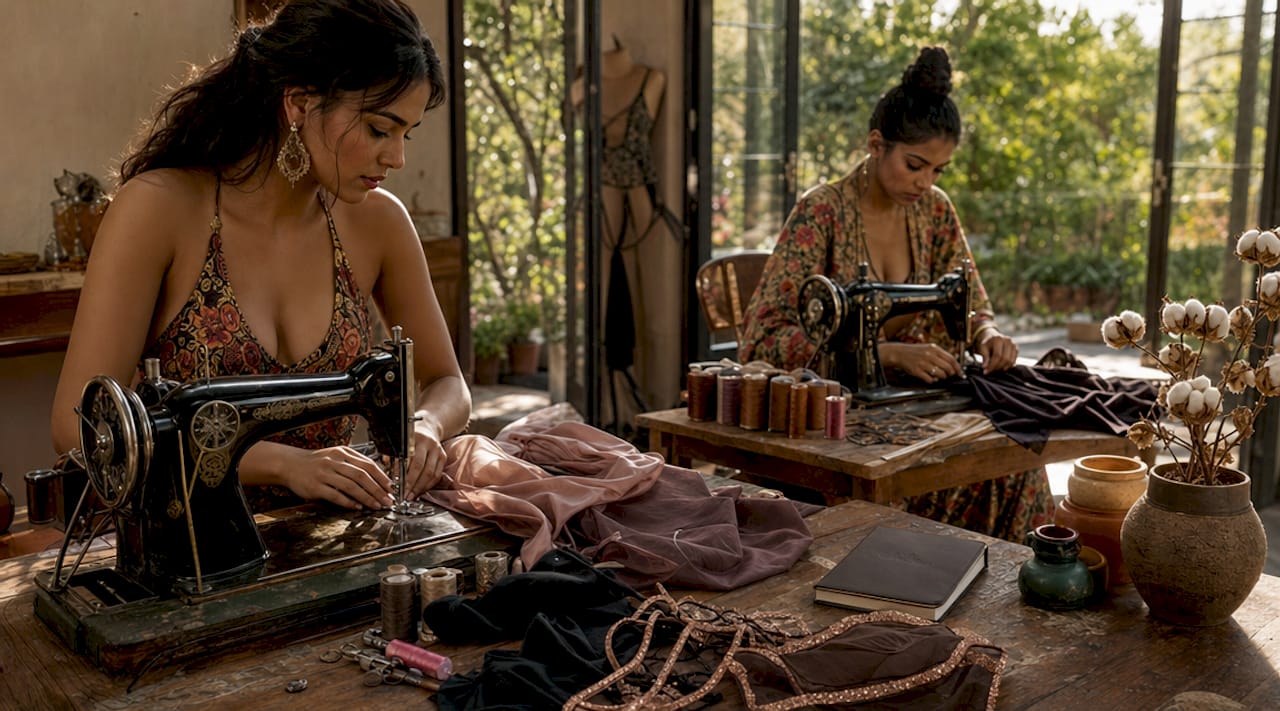
Social responsibility means garment workers earn living wages, work in safe conditions, and have rights that are documented and audited. This is not a bonus feature. It is the baseline. Brands operating in Bangladesh, Vietnam, or Ethiopia can meet this standard when they choose to prioritize it.
Environmental sustainability covers material sourcing, production waste, water use, and end-of-life planning. The most advanced circular fashion efforts go beyond recycling. Kowtow Clothing, for example, produces garments that generate biochar for soil regeneration, creating a net-positive environmental outcome rather than simply reducing harm.
Purpose-driven brands build emotional resonance through meaningful storytelling, craftsmanship, and community connection. This third pillar is what separates purpose-driven fashion from a brand that simply checks sustainability boxes. The story behind a garment, who made it, where the fabric came from, and why the design exists, creates a relationship between maker and wearer that fast fashion cannot replicate.
- Fair wages and safe working conditions for all workers in the supply chain
- Transparent sourcing with documented material origins
- Low-impact or regenerative production processes
- Brand narratives grounded in real community and craft
- Third-party verification through GOTS, Fairtrade, or B Corp certification
Pro Tip: Search a brand’s website for its “Impact Report” or “Transparency Page.” If neither exists, that absence tells you something. Authentic purpose-driven brands publish specific factory names, wage data, and audit results, not vague mission statements.
How does purpose-driven fashion compare with ethical and sustainable fashion?
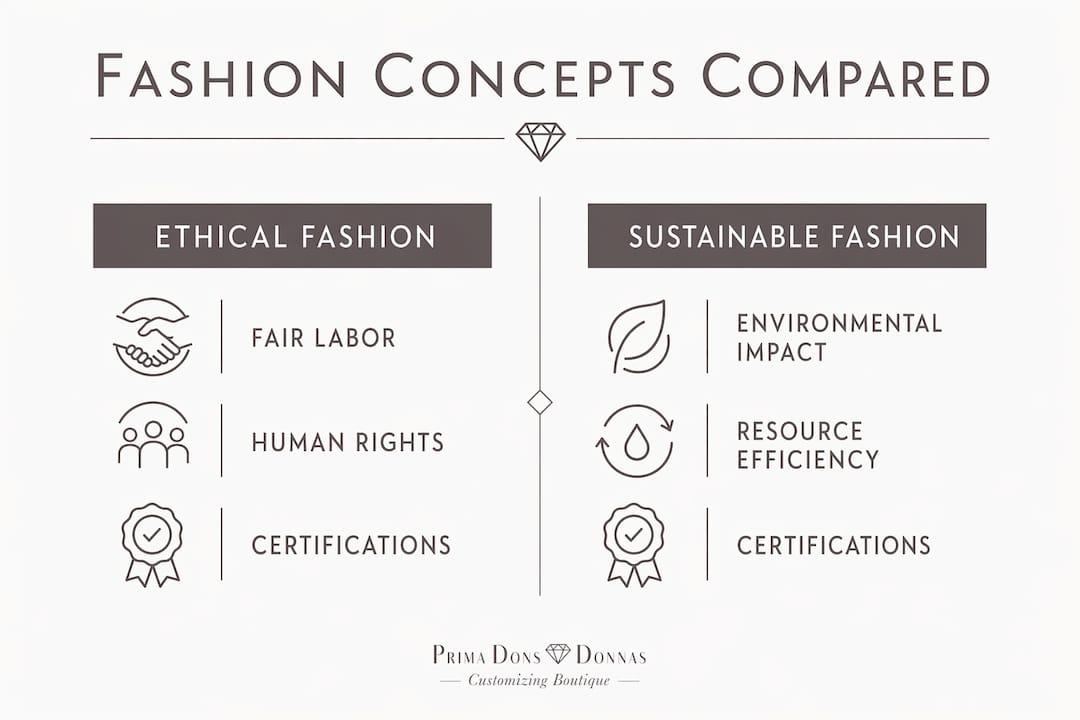
These three terms overlap but are not interchangeable. Confusing them leads to poor purchasing decisions and rewards brands that exploit the confusion.
Sustainable fashion focuses on environmental impact, while ethical fashion centers on fair labor and human rights. A brand can use 100% organic cotton (sustainable) while paying workers below a living wage (not ethical). The reverse is equally possible. Purpose-driven fashion, as the industry is increasingly defining it, requires both and adds a third layer: intentional brand identity built around a genuine mission.
| Concept | Primary Focus | Key Certifications | Storytelling Required? |
|---|---|---|---|
| Sustainable fashion | Environmental impact | GOTS, Oeko-Tex, Bluesign | No |
| Ethical fashion | Labor rights, human rights | Fairtrade, SA8000 | No |
| Purpose-driven fashion | Ethics + environment + mission | B Corp, GOTS, Fairtrade | Yes |
| Fast fashion | Speed and price | None | No |
True progress requires both ethics and sustainability for the fashion system to function responsibly. Purpose-driven fashion is the framework that holds both accountable while also demanding that brands communicate their values honestly and specifically. This is why it resonates most strongly with consumers who want their purchases to mean something beyond aesthetics.
How can you identify authentic purpose-driven brands?
Identifying a genuinely purpose-driven brand requires looking past marketing language and into verifiable evidence. The process is straightforward once you know what to look for.
- Check for third-party certifications. GOTS, Fairtrade, and B Corp are the primary authoritative standards. Each requires independent auditing. A brand claiming these certifications can be verified directly on the certifying body’s website.
- Look for supply chain transparency. Authentic brands name their factories, publish wage data, and share audit reports. Vague references to “ethical sourcing” without documentation are a red flag.
- Scrutinize geographic origin claims. A “Made in Italy” label does not guarantee ethical labor without verified wage and transparency reports. Country of origin is not a substitute for accountability.
- Watch for empty buzzwords. Brands using vague terms like “eco-friendly” without certifications usually lack substantial accountability. Legitimate brands disclose specific factory names, wage details, and audit reports.
- Read the brand’s origin story. Purpose-driven brands describe a specific problem they set out to solve. If the “About” page reads like a generic lifestyle pitch, the purpose is likely cosmetic.
Pro Tip: Use the Good On You app or the B Corp directory to cross-reference brand claims before purchasing. These tools aggregate certification data and brand ratings so you can verify credentials in under two minutes.
What impact does purpose-driven fashion have on workers and the environment?
The benefits of supporting purpose-driven fashion extend well beyond the individual purchase. Workers, communities, and ecosystems all feel the difference when brands operate with genuine accountability.
On the labor side, fair wage practices reduce poverty cycles in garment-producing regions. When a factory in Sri Lanka or Peru pays living wages, those wages circulate locally, fund education, and build community stability. This is the economic multiplier effect that fast fashion actively suppresses by driving prices to the floor.
On the environmental side, the industry is evolving toward regenerative circular systems designed to create net-positive impact. Regenerative cotton farming rebuilds soil health. Closed-loop dyeing systems eliminate wastewater. These are not experimental concepts. Brands like Patagonia, Eileen Fisher, and Kowtow Clothing have operationalized them at scale.
| Impact Area | Conventional Fashion | Purpose-Driven Fashion |
|---|---|---|
| Worker wages | Often below living wage | Living wage, audited |
| Material sourcing | Synthetic, petroleum-based | Organic, recycled, or regenerative |
| End-of-life planning | Landfill | Repair, resale, or composting |
| Community investment | Minimal | Local supplier partnerships |
| Consumer relationship | Transactional | Values-based, long-term |
The consumer demand signal matters too. 71% of Gen Z prioritize cause-driven products, which means every purchase in this category sends a market signal that shifts production incentives. Buying purpose-driven is not just a personal choice. It is a vote cast in the only currency brands consistently respond to.
How can you build a purpose-driven wardrobe for real life?
Building a purpose-driven wardrobe does not require replacing everything you own. It requires changing how you decide what to add next. Conscious consumers move from buying large quantities to mindful, intentional purchases that add meaningful value. That shift starts with a single question before every purchase: “What value does this add to my life and my wardrobe?”
Practical steps for building your conscious shopping habits around purpose-driven principles:
- Buy less, choose well. A single well-made dress worn to a concert, a wedding, or a lunch date delivers more value than five disposable pieces worn once.
- Support transparent brands. Smaller, direct-to-consumer brands often have shorter supply chains and more visible accountability than large retailers.
- Care for what you own. Washing garments in cold water, air drying, and repairing minor damage extends garment life significantly and reduces your environmental footprint.
- Rent or borrow for special occasions. For one-time events, renting reduces consumption without sacrificing style.
- Choose made-to-order when possible. Made-to-order production eliminates overstock waste entirely. Every piece is created because someone specifically wanted it.
For special occasions like parties, concerts, weddings, and plus-size dressing, made-to-order is particularly powerful. You get exactly the color, size, and silhouette you want. Nothing sits unsold in a warehouse. The sustainable fashion options available in 2026 make it easier than ever to dress with intention without compromising on style or fit.
Key takeaways
Purpose-driven fashion integrates ethical labor, environmental responsibility, and authentic brand storytelling, and it requires all three to be genuine.
| Point | Details |
|---|---|
| Definition is specific | Purpose-driven fashion combines ethics, sustainability, and intentional brand mission in every garment. |
| Certifications matter | GOTS, Fairtrade, and B Corp are the only reliable third-party standards for verifying brand claims. |
| Greenwashing is common | Vague terms like “eco-friendly” without audit data signal a lack of real accountability. |
| Consumer power is real | 71% of Gen Z pay more for cause-driven products, making every purchase a market signal. |
| Made-to-order reduces waste | Producing only what is ordered eliminates overstock and aligns production with genuine demand. |
Why purpose-driven fashion changed how I think about getting dressed
I spent years buying trend pieces that felt exciting for a week and forgettable by the next season. The wardrobe I built that way was full and somehow still felt empty. What changed my thinking was not a documentary or a statistic. It was holding a garment I knew had been made by someone paid fairly, from a material I could trace, in a color I had actually chosen. That experience is qualitatively different from pulling something off a fast fashion rack.
What I have observed in the industry over time is that purpose-driven branding is a structural shift prioritizing transparency, quality, and community over trends. Brands that operate this way tend to build deeper loyalty because the relationship between brand and customer is built on shared values rather than manufactured urgency. That loyalty is more durable than any seasonal campaign.
The practical upside for consumers is real too. When you buy intentionally, you buy less. When you buy less, you spend more carefully. The result is a wardrobe where every piece earns its place, and getting dressed becomes a genuinely satisfying act rather than a daily negotiation with a closet full of regrets. Purpose-driven fashion is not a sacrifice. It is an upgrade in how you relate to the clothes you wear and the brands you support.
— Latoya
Shop purpose-driven style at Primadonsanddonnas
Primadonsanddonnas builds every piece around the principles this article describes: made-to-order production, transparent craftsmanship, inclusive sizing, and bold design that does not compromise on quality or values.
Whether you are dressing for a wedding, a concert, a party, or a lunch date, the made-to-order dress collection delivers exactly what you want in your size and your color. No overstock. No compromise. Plus-size options are available across all collections, and ready-to-ship pieces are stocked for clients who need their look quickly. Primadonsanddonnas also offers a luxury faux fur jacket as a standout sustainable outerwear option for conscious shoppers who want statement style without real fur.
FAQ
What is purpose-driven fashion in simple terms?
Purpose-driven fashion is clothing designed and produced with clear ethical, environmental, and social intentions. It combines fair labor practices, sustainable materials, and authentic brand storytelling into a single framework.
How is purpose-driven fashion different from sustainable fashion?
Sustainable fashion focuses primarily on environmental impact, while purpose-driven fashion also requires ethical labor standards and a genuine brand mission. Think of sustainable fashion as one pillar inside the larger purpose-driven structure.
What certifications should I look for in a purpose-driven brand?
GOTS, Fairtrade, and B Corp are the most credible third-party certifications. Each requires independent auditing, so a brand carrying these labels has been verified rather than self-declared.
Is made-to-order fashion more purpose-driven than ready-to-wear?
Made-to-order production eliminates overstock waste by creating garments only when ordered. This directly reduces excess inventory and aligns production volume with actual demand, making it one of the most waste-conscious models available.
How do I spot greenwashing in fashion brands?
Look for specific factory names, wage data, and audit reports rather than vague claims like “eco-friendly” or “conscious.” Brands that cannot back their language with documentation are almost certainly greenwashing.
Recommended
- Guide to expressing style with custom fashion in 2026 – Prima Dons & Donnas
- Fashion sustainability trends 2026: bold eco-friendly style – Prima Dons & Donnas
- What is sustainable fashion: A 2026 guide – Prima Dons & Donnas
- Conscious fashion choice in 2026: Bold, sustainable style – Prima Dons & Donnas


Leave a comment