

What is conscious shopping? A guide to sustainable style
Every fashion lover knows the feeling: you want to look incredible, express your personality, and feel confident in what you wear. But the moment you start researching ethical options, you hit a wall of confusing certifications, vague sustainability claims, and endless “eco-friendly” labels that all look the same. Conscious shopping cuts through that noise. It is a practical, values-driven approach to building a wardrobe that reflects who you are, supports the planet, and never asks you to sacrifice style for principle.
Table of Contents
- What is conscious shopping?
- Why does conscious shopping matter for fashion lovers?
- The conscious shopping framework: Methodologies and real-life tools
- How to build a personalized, confidence-boosting wardrobe with conscious shopping
- Nuances, challenges, and common pitfalls in conscious shopping
- Elevate your style consciously with Prima Dons & Donnas
- Frequently asked questions
Key Takeaways
| Point | Details |
|---|---|
| Holistic definition | Conscious shopping means making intentional choices with sustainability, ethics, and personal values in mind. |
| Powerful impact | Aligning purchases with your values reduces waste and boosts confidence in your style. |
| Practical tools | Use frameworks, key questions, and tools like Good On You to shop consciously. |
| Embrace imperfections | Start small—progress over perfection leads to real change in your wardrobe habits. |
| Unique, expressive style | Conscious shopping helps you build a wardrobe that’s as distinctive as you are. |
What is conscious shopping?
Conscious shopping is not just about buying organic cotton or avoiding fast fashion hauls. It goes deeper. Conscious shopping is the practice of making intentional, informed purchasing decisions that consider the environmental, social, and ethical impacts of products throughout their lifecycle, prioritizing sustainability, ethics, and personal values over impulse buying.
That definition matters because it shifts the focus from the product to the process. You are not just asking “Is this shirt made from recycled fabric?” You are asking who made it, under what conditions, how long it will last, and what happens to it when you are done.
“Conscious shopping is not a destination. It is an ongoing practice of aligning your purchases with your values, one decision at a time.”
Fashion is one of the industries that needs this shift most urgently. Understanding what is conscious fashion helps clarify how style and ethics can work together rather than compete. For a broader view of where the industry is heading, the sustainable fashion guide breaks down the key concepts worth knowing.
Why does conscious shopping matter for fashion lovers?
For women who care about style, individuality, and confidence, conscious shopping is not a compromise. It is an upgrade. When your wardrobe reflects your actual values, every outfit carries more meaning and more confidence with it.
The numbers back this up. 62% of Gen Z prefer sustainable brands, and 73% are willing to pay more for them. That shift in demand is pushing brands to offer real, ethical options rather than just marketing language.
Here is why conscious shopping matters specifically for fashion-forward women:
- Personal style becomes intentional. Every piece you own has a reason to be there.
- Confidence increases. Wearing something you chose with care feels different from an impulse buy.
- Environmental impact shrinks. Over 70% of clothing ends up in landfills, and buying less and better directly addresses that.
- You drive change. Purchasing decisions signal demand, and brands respond to where money goes.
“Fashion is one of the most personal forms of self-expression. Conscious shopping makes that expression count beyond the mirror.”
Building bold, sustainable style does not mean dressing down or blending in. It means choosing pieces that stand out for the right reasons. Staying informed about fashion sustainability trends helps you stay ahead without chasing every new label. For a practical starting point, this conscious consumer wardrobe guide offers actionable steps.
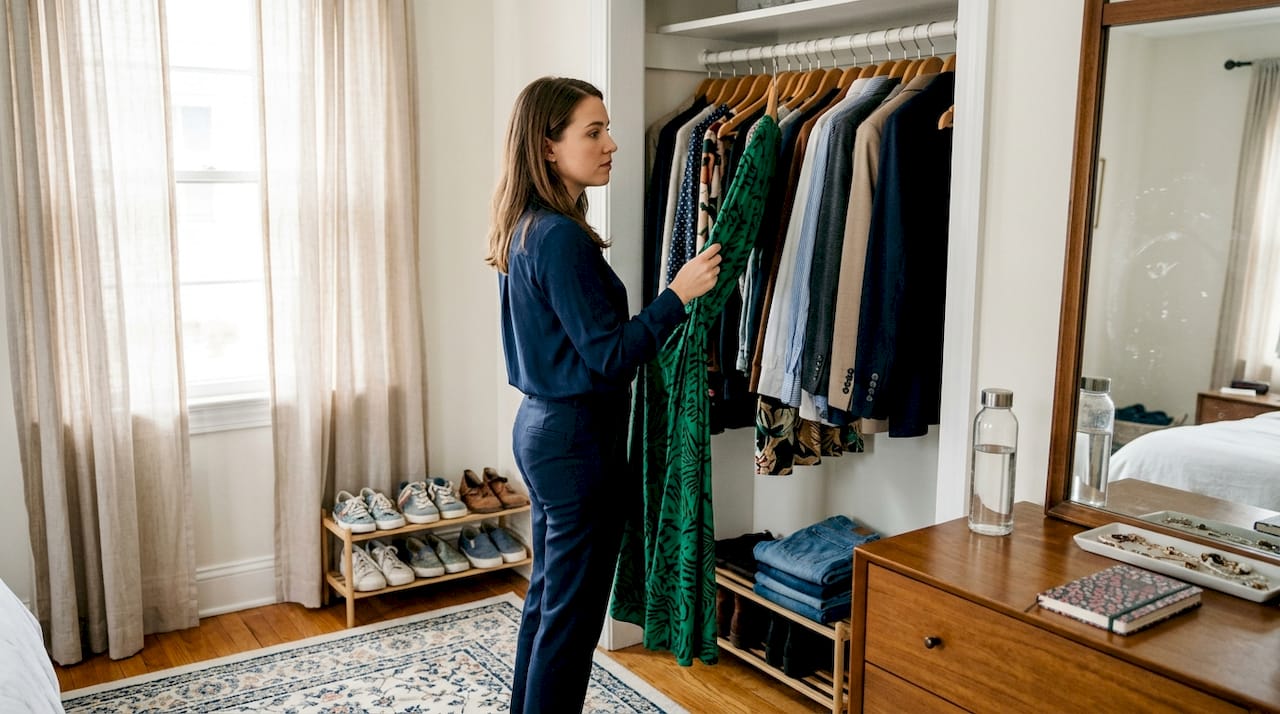
The conscious shopping framework: Methodologies and real-life tools
Knowing the value of conscious shopping is one thing. Knowing exactly how to do it is another. The good news is that practical tools and frameworks already exist.
Key methodologies include asking critical questions before purchase, buying less and choosing quality, shopping secondhand, supporting certified brands, and using tools like Good On You to verify claims.
Before any purchase, run through these four questions:
- Do I actually need this, or is it an impulse?
- Is it ethically made, and can I verify that?
- What is the environmental cost of producing it?
- What happens to this item at the end of its life?
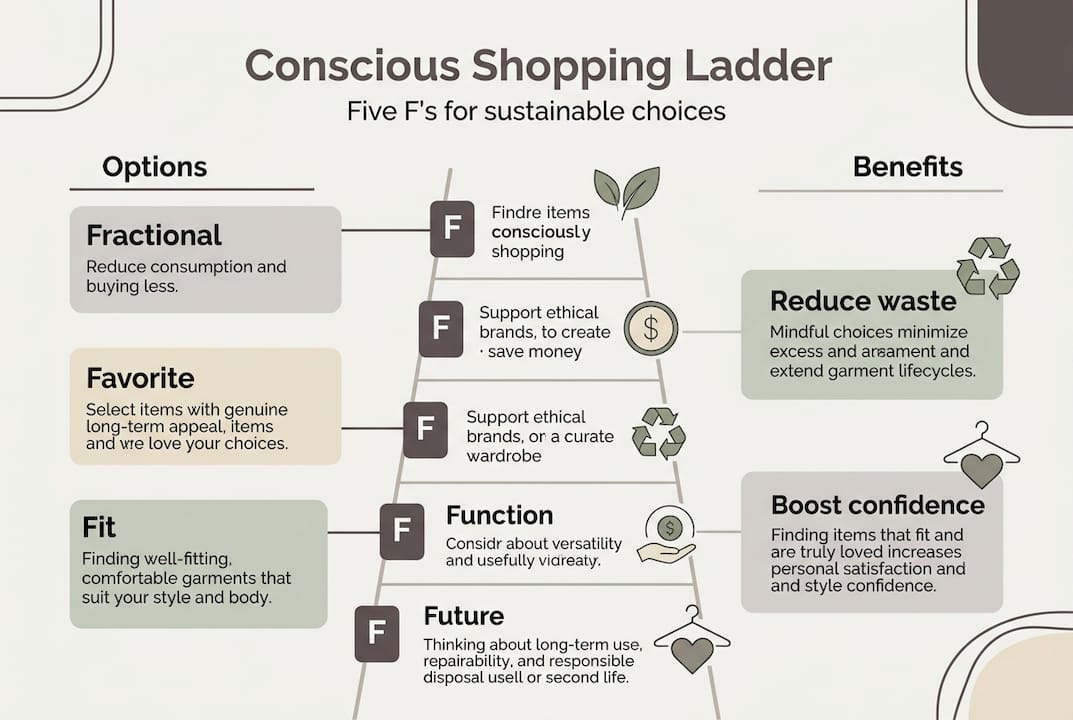
For a more structured approach, the Five F’s hierarchy offers a decision-making ladder: Fractional (rent or borrow), Favor ethical brands, Fix what you already own, Find it secondhand, and Forgo the purchase entirely if none of the above apply.
Pro Tip: Before your next shopping trip, do a quick closet audit. Identify three items you already own but rarely wear. Styling those first costs nothing and often reveals that the “gap” in your wardrobe does not actually exist.
| Approach | Fast fashion | Conscious shopping |
|---|---|---|
| Decision driver | Trend and price | Values and longevity |
| Quality focus | Low to medium | High |
| Environmental impact | High | Reduced |
| Personal expression | Generic | Individualized |
| Cost over time | Higher (frequent replacement) | Lower (fewer, lasting pieces) |
The Good On You app rates brands on people, planet, and animals, making it easy to verify claims before you buy. Pair that with a custom clothing guide to understand how made-to-order pieces fit into a conscious wardrobe. Exploring sustainable fashion options gives you a wider view of what is available right now.
How to build a personalized, confidence-boosting wardrobe with conscious shopping
Once you have the framework, the next step is building a wardrobe that actually looks and feels like you. For fashion-conscious women, conscious shopping means building personalized wardrobes with timeless, sustainable pieces and unique secondhand finds.
Start with materials. What your clothes are made from matters for both comfort and environmental impact.
| Fabric | Key benefit | Best for |
|---|---|---|
| Organic cotton | Soft, breathable, low pesticide use | Everyday basics |
| Tencel/Lyocell | Silky feel, biodegradable | Dresses, blouses |
| Recycled polyester | Diverts plastic waste | Activewear, outerwear |
| Hemp | Durable, low water use | Casual and structured pieces |
| Faux fur (quality) | Animal-free, bold statement | Outerwear, accessories |
Beyond materials, here is how to build a wardrobe that reflects your individuality:
- Edit before you add. Remove items that no longer fit your style or values before buying anything new.
- Invest in customization. Pieces made specifically for your size and color preferences fit better and last longer.
- Shop secondhand with intention. Look for quality fabrics and timeless silhouettes rather than just low prices.
- Repair before replacing. A tailor can extend the life of a well-made piece significantly.
- Choose slow fashion. Fewer, more considered purchases build a stronger personal style over time.
Pro Tip: When expressing style with custom fashion, focus on silhouettes and colors that work across multiple occasions. One custom piece that works five ways beats five trend pieces that each work once. Exploring sustainable options in custom clothing shows how personalization and ethics can align in a single purchase.
Research also shows that ethical shopping challenges are real. The gap between intention and action is common, and understanding it helps you build habits that actually stick rather than setting unrealistic expectations.
Nuances, challenges, and common pitfalls in conscious shopping
Conscious shopping is not without its complications. Knowing the pitfalls keeps you from falling into them.
Greenwashing is widespread. Brands use terms like “eco-friendly,” “natural,” and “sustainable” without any third-party verification. Greenwashing requires independent certification to be taken seriously. Look for Fair Trade, GOTS, or B Corp labels before trusting a brand’s claims.
Here are the most common pitfalls to watch for:
- Assuming price equals ethics. Not all expensive items are ethically made. Luxury brands average a CFX score of just 3.6 out of 10 on circular fashion metrics.
- Thinking secondhand is always clean. Secondhand shopping reduces waste but does not eliminate labor concerns in the resale supply chain.
- Letting perfection stop progress. Conscious shopping is personal. One better choice is more valuable than waiting for the perfect option.
- Over-buying “sustainable” items. Buying ten eco-labeled pieces you do not need is still overconsumption.
“Progress over perfection is the only rule that actually works in conscious shopping. Start where you are.”
The industry is evolving, but slowly. Only 3% of brands currently offer rental options, and circular fashion is still not at scale. Understanding the difference between luxury fashion vs fast fashion helps you navigate price and ethics without assumptions. Knowing why trend-led designs can still align with sustainability gives you more options without compromising your values.
Elevate your style consciously with Prima Dons & Donnas
Conscious shopping is about choosing pieces that are made with intention, built to last, and designed to reflect exactly who you are. That is the foundation of everything at Prima Dons & Donnas.
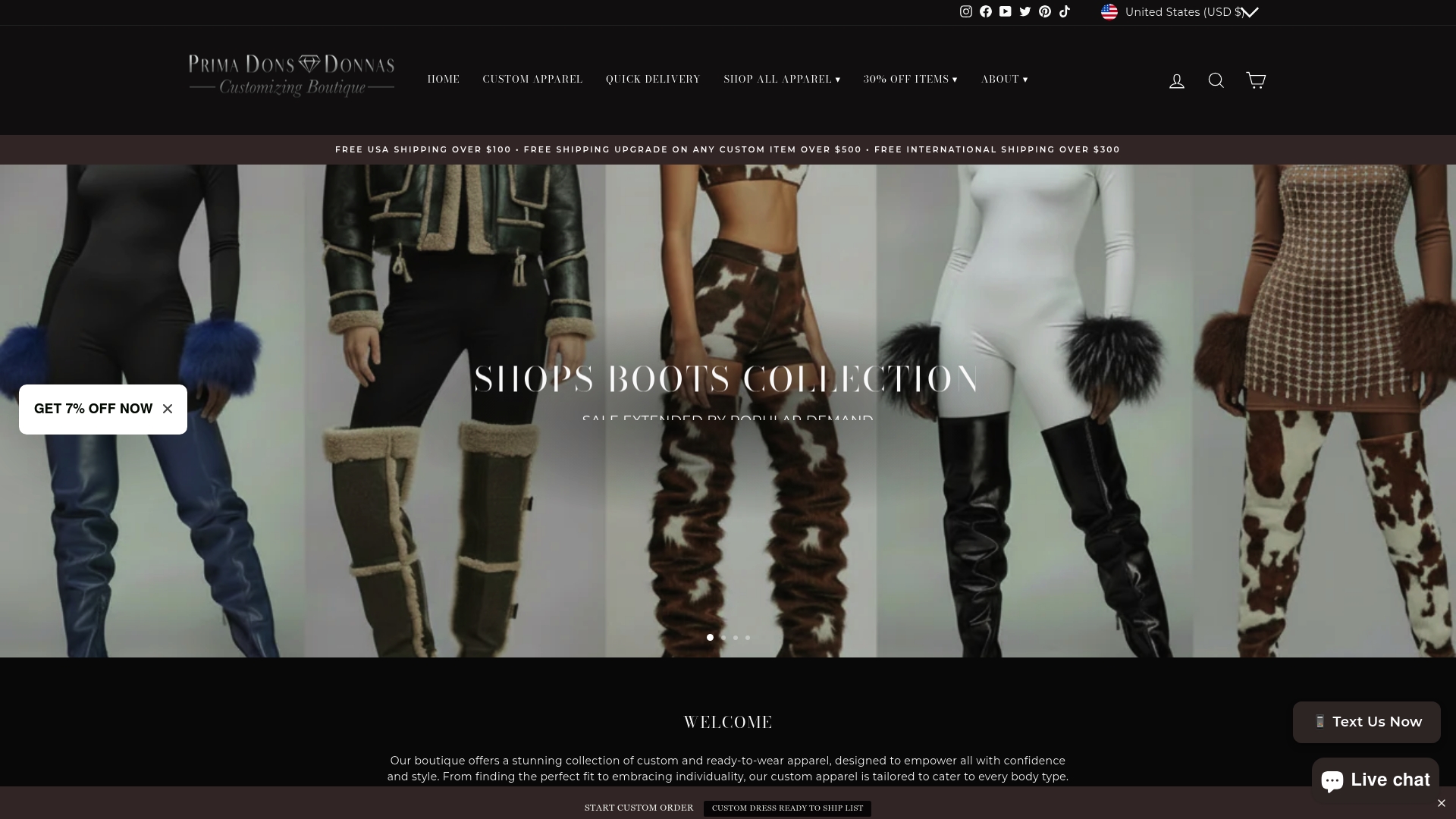
Every piece in the made to order dress collection is created specifically for you, in your size and your chosen colors, eliminating the waste that comes with mass production. The custom shoes and sneakers collection brings the same personalized approach to footwear, so every part of your look is intentional. For a full range of personalized options, the custom and made-to-order apparel collection covers bold, confidence-driven styles across categories. Ready-to-ship options are also available for those who want a fast, quality-first solution without the wait.
Frequently asked questions
How do I know if a brand is truly sustainable and ethical?
Look for third-party certifications like Fair Trade, GOTS, or B Corp and check independent ratings on platforms like Good On You. Greenwashing is common, so external verification is the most reliable signal.
Is buying less really better for the environment than choosing only sustainable brands?
Yes. Buying fewer, higher-quality items reduces waste and resource use, making it one of the most effective steps in conscious shopping regardless of brand claims.
What’s the difference between shopping secondhand and supporting made-to-order fashion?
Secondhand prioritizes reusing items that already exist. Made-to-order minimizes waste by creating personalized pieces only when ordered, avoiding overproduction entirely.
How do I avoid decision paralysis when trying to shop consciously?
Focus on progress, not perfection. Start with one change at a time and use the Five F’s hierarchy to simplify decisions. Building better habits incrementally is more effective than trying to overhaul everything at once.


Leave a comment