

Tips for choosing exclusive designs: your fashion guide
TL;DR:
- Choosing exclusive custom designs requires balancing uniqueness with sustainability, precise fit, and personal identity.
- Understanding customization levels from modification to full bespoke helps determine the timeline and budget for your needs.
- Careful evaluation of fabric quality, design flexibility, craftsmanship, and ethical practices ensures a truly personalized, meaningful creation.
Finding truly exclusive custom designs for special occasions takes more than browsing a few websites and picking what looks nice. The real challenge is balancing uniqueness with sustainability, getting the fit exactly right, and making sure the final piece reflects your actual identity rather than someone else’s idea of bold. These tips for choosing exclusive designs walk you through every step of that process, from understanding your customization options to evaluating manufacturers, comparing costs, and making choices that align with both your style goals and your values.
Table of Contents
- Understand the customization spectrum: modification, semi-custom, and fully bespoke
- Key criteria for selecting truly exclusive designs for special occasions
- Choosing the right custom shoes manufacturer: balancing quality, cost, and exclusivity
- Comparison of customization options: price, lead time, exclusivity, and sustainability
- Practical tips for a successful exclusive design experience
- Why exclusive design choices are a statement of identity and sustainability
- Explore Prima Dons & Donnas’ exclusive custom collections
- Frequently asked questions
Key Takeaways
| Point | Details |
|---|---|
| Customization spectrum | Understanding modification, semi-custom, and bespoke helps you choose designs that fit your budget and exclusivity needs. |
| Key selection criteria | Focus on fabric quality, fit accuracy, craftsmanship, and sustainability when selecting exclusive designs. |
| Manufacturer evaluation | Choose custom shoe makers with proven quality, ethical practices, and flexibility for exclusive products. |
| Compare design options | Trade-offs between price, exclusivity, and time guide the best choice for your special occasion. |
| Plan and communicate | Clear vision, early start, and effective communication ensure a successful exclusive design experience. |
Understand the customization spectrum: modification, semi-custom, and fully bespoke
Before diving into specific selection advice, it helps to know exactly what “exclusive” can mean in practice. Customization ranges from simple modifications to fully bespoke creations, and each level affects your price, timeline, and how one-of-a-kind your final piece actually is.
Here is how the three main levels break down:
Modification involves making minor changes to an existing design, such as swapping a color, adding a detail, or adjusting a standard silhouette. This is the most accessible entry point.
- Typical lead time: approximately 60 days
- Budget range: under $10,000 for footwear orders
- MOQ (minimum order quantity): lowest of all three tiers
- Best for: quick turnaround needs, tight budgets, subtle personalization
Semi-custom combines new upper patterns with existing lasts (the foot-shaped molds used in shoe production) or existing dress blocks. You get genuine design input without starting from scratch.
- Typical lead time: 90 to 120 days
- Budget range: $10,000 to $30,000
- MOQ: moderate, usually 200 to 500 units for footwear
- Best for: fashion-forward buyers who want real uniqueness at a manageable cost
Fully bespoke means everything is created from zero: new patterns, new lasts, original construction. This is the highest exclusivity tier and the one that understanding bespoke footwear explores in depth for anyone considering that route.
- Typical lead time: 120 to 150 days
- Budget range: $30,000 or more for initial orders
- MOQ: 500 or more units, though artisan makers sometimes accept smaller runs at a higher per-unit cost
- Best for: women who want zero compromise on exclusivity and have the timeline to match
- Identify your event date first, then work backward to determine which tier is realistic.
- Set your total budget before contacting any designer or manufacturer.
- Decide how much design input you want versus how much you trust the maker to lead.
Pro Tip: If your event is less than three months away, semi-custom or modification is almost always the smarter move. Bespoke requires time, and rushing it usually shows in the final product.
Key criteria for selecting truly exclusive designs for special occasions
Once you know which customization level fits your situation, the next layer of advice for exclusive designs focuses on the specific qualities that separate a piece worth wearing from one that just looks good on screen.
Fabric quality is where exclusivity either holds up or falls apart in person. Natural, sustainable fibers like silk, organic cotton, and ethically sourced wool carry a tactile quality that synthetic alternatives rarely replicate. Selecting custom clothing requires focusing on fabric quality and construction details above almost everything else. Ask for swatches. Handle the material before you commit.
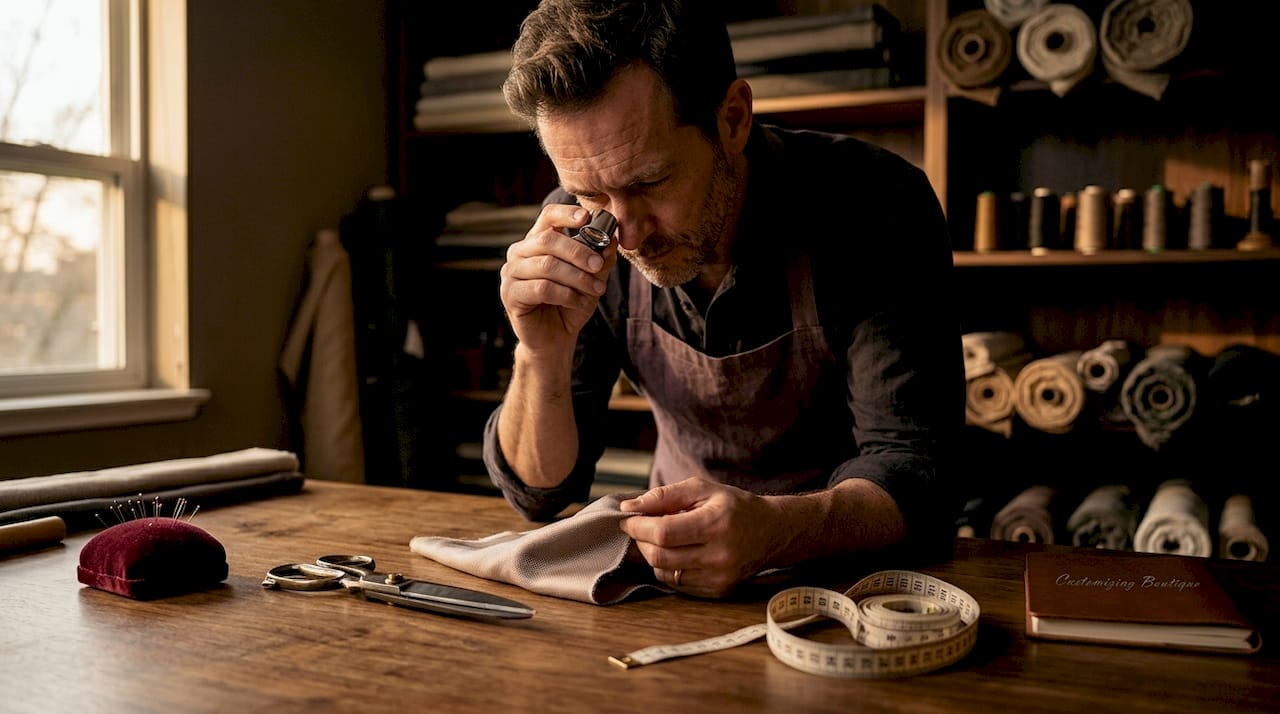
Design flexibility is your signal that a brand genuinely does custom work. Can they adjust the neckline? Move a seam? Add hand-embroidered detail? If the answer is no to most things, it is modification at best, not true customization. Exploring custom fashion and self-expression gives you a stronger framework for articulating exactly what you want before sitting down with a designer.
Key criteria to evaluate when choosing one-of-a-kind designs:
- Measurement precision: At minimum, you need full body measurements taken by a professional. For occasion wear, two or more fittings are standard practice.
- Construction quality: Look for hand-stitched hems, reinforced stress points at seams, and clean internal finishing. These are the marks of genuine craftsmanship.
- Communication clarity: A designer who listens is worth more than one with a beautiful portfolio. Your vision has to survive the handoff.
- Alteration policy: Know before you order how many revisions are included and what alterations cost after delivery.
- Sustainability credentials: Given how the fashion sustainability trends landscape is shifting, asking about material sourcing and production ethics is no longer optional for conscious buyers.
A clear budget communicated upfront does more than protect your wallet. It tells a designer exactly which materials and construction methods are on the table, which speeds up the entire process.
Choosing the right custom shoes manufacturer: balancing quality, cost, and exclusivity
Your outfit can be flawless and still feel incomplete without footwear that matches its intention. Selecting the right custom shoe manufacturer is its own discipline, and the best practices for unique designs in footwear are not the same as clothing. Reliable custom shoe manufacturers provide high-quality materials, prototyping, transparent processes, and ethical practices. Knowing what to look for protects you from expensive disappointments.
What to evaluate in a custom footwear partner:
- Experience and portfolio: Ask specifically for examples of work in your style category, whether that is evening heels, bold sneakers, or statement boots.
- Material options: Does the manufacturer offer LWG-certified leather, vegan alternatives, or other eco-conscious materials? This matters both for sustainability and for custom shoe craftsmanship and sustainability commitments.
- Prototyping process: A maker who cannot or will not produce a sample before full production is a red flag. Request a prototype, evaluate the stitching, try the fit, and assess the finish before signing off.
- Ethical labor verification: Factory certifications like WRAP or SA8000 indicate that labor standards are being monitored, not just promised.
- MOQ reality check: Artisan workshops may accept 10 to 20 pairs at a premium per-unit cost. Standard factories often start at 100 pairs minimum. Know which category your maker falls into.
- Contract specifics: Your agreement should clearly address intellectual property ownership of your design, payment milestones, what happens with defects, and revision limits.
Pro Tip: Always ask for a physical sample, not just photos. Color, texture, and finish all read differently on screen. What looks matte in a jpeg can arrive shiny in real life.
Lead times for custom footwear typically run 8 to 16 weeks depending on complexity. For intricate, exclusive design selection involving hand-painted details or unusual materials, build in buffer time on top of the quoted estimate.
Comparison of customization options: price, lead time, exclusivity, and sustainability
With the criteria and guidelines for custom designs covered, here is a direct comparison to make the trade-offs clear.
| Option | Price range | Lead time | Exclusivity level | Sustainability potential | MOQ range |
|---|---|---|---|---|---|
| Modification | Under $10,000 | ~60 days | Low to moderate | Limited by base design | 0 to 100 units |
| Semi-custom | $10,000 to $30,000 | 90 to 120 days | Moderate to high | Good, material choice available | 200 to 500 units |
| Fully bespoke | $30,000+ | 120 to 150 days | Highest | Best, full sourcing control | 500+ units |
Exclusivity can be traded against cost and time: semi-custom works well for mid-premium budgets with quicker turnaround needs, while fully bespoke delivers the highest level of uniqueness for buyers with longer timelines.
Additional factors worth comparing before choosing:
- Craftsmanship and design freedom are highest with fully bespoke, moderate with semi-custom, and limited with modifications.
- Waste reduction improves significantly at the bespoke and semi-custom tiers because everything is made to order, nothing sits in overstock.
- Personal satisfaction tends to run highest with bespoke because the buyer is invested at every stage of production.
Understanding the custom clothing order workflow before you start makes the timeline far less intimidating and helps you ask better questions at the right stages.
Practical tips for a successful exclusive design experience
Knowing your options is one thing. Managing the actual process is where most orders succeed or fall apart. These exclusive design selection tips are drawn from the patterns that consistently produce the best outcomes.
- Start early. If the event is fixed, count backward from the date and add a two-week buffer to every quoted lead time.
- Build a reference file. Mood boards, sketches, fabric swatches, and photo references give your maker something concrete to work with. Verbal descriptions almost always leave room for misinterpretation.
- Request a muslin or prototype. A muslin mock-up (a test version made in inexpensive fabric) lets you evaluate fit and structure before expensive materials are cut.
- Read the contract before you sign. Know your revision limit, payment schedule, alteration terms, and what happens if the finished piece does not match the approved sample.
- Stay in regular contact. A simple weekly check-in prevents small issues from becoming costly delays.
- Budget for alterations. Even the best custom pieces occasionally need a nip or tuck after delivery. Build a small cushion into your total spend.
- Ask about sustainable choices at every stage. Eco-friendly materials and ethical production are usually available, but you have to ask. Makers rarely volunteer this information unless prompted.
Clear contracts, sample approvals, and realistic timelines are the three things that most reliably prevent dissatisfaction in custom orders. Get all three in writing.
Pro Tip: Create a shared folder with your designer containing every reference image, measurement document, and email exchange. A single source of truth prevents the “I thought you meant…” conversation right before your event.
Following the custom clothing order workflow and understanding your own custom fashion self-expression priorities together will make every decision in the process faster and clearer.
Why exclusive design choices are a statement of identity and sustainability
Here is the perspective most style guides skip: choosing an exclusive design is not primarily about looking different. It is about owning something that reflects who you actually are, including what you believe.
There is a tendency to treat sustainability as a separate checkbox from aesthetics, something you think about after you have already decided on the look. That framing gets it backwards. The most genuinely exclusive pieces in 2026 are exclusive precisely because they were made thoughtfully: sourced from ethical suppliers, constructed without waste, designed to last rather than trend out in a season.
Fast fashion can produce a piece that looks bold. It cannot produce a piece that carries the weight of intentional creation. When you invest in semi-custom or fully bespoke, you are also investing in the artisan’s time, the quality of the material, and the idea that your body and your occasion deserve something built specifically for them. That is a different category of value than price alone captures.
Many buyers underestimate how much personal satisfaction comes from wearing a piece you had a hand in creating. There is a reason women who wear truly custom occasion pieces talk about them for years afterward. It is not nostalgia. It is that the piece meant something from the beginning.
The power of exclusivity in personal style is not about scarcity for its own sake. It is about alignment: your values, your body, your moment.
Explore Prima Dons & Donnas’ exclusive custom collections
If this article gave you a clearer picture of what to look for, the next step is finding pieces that actually meet that standard.
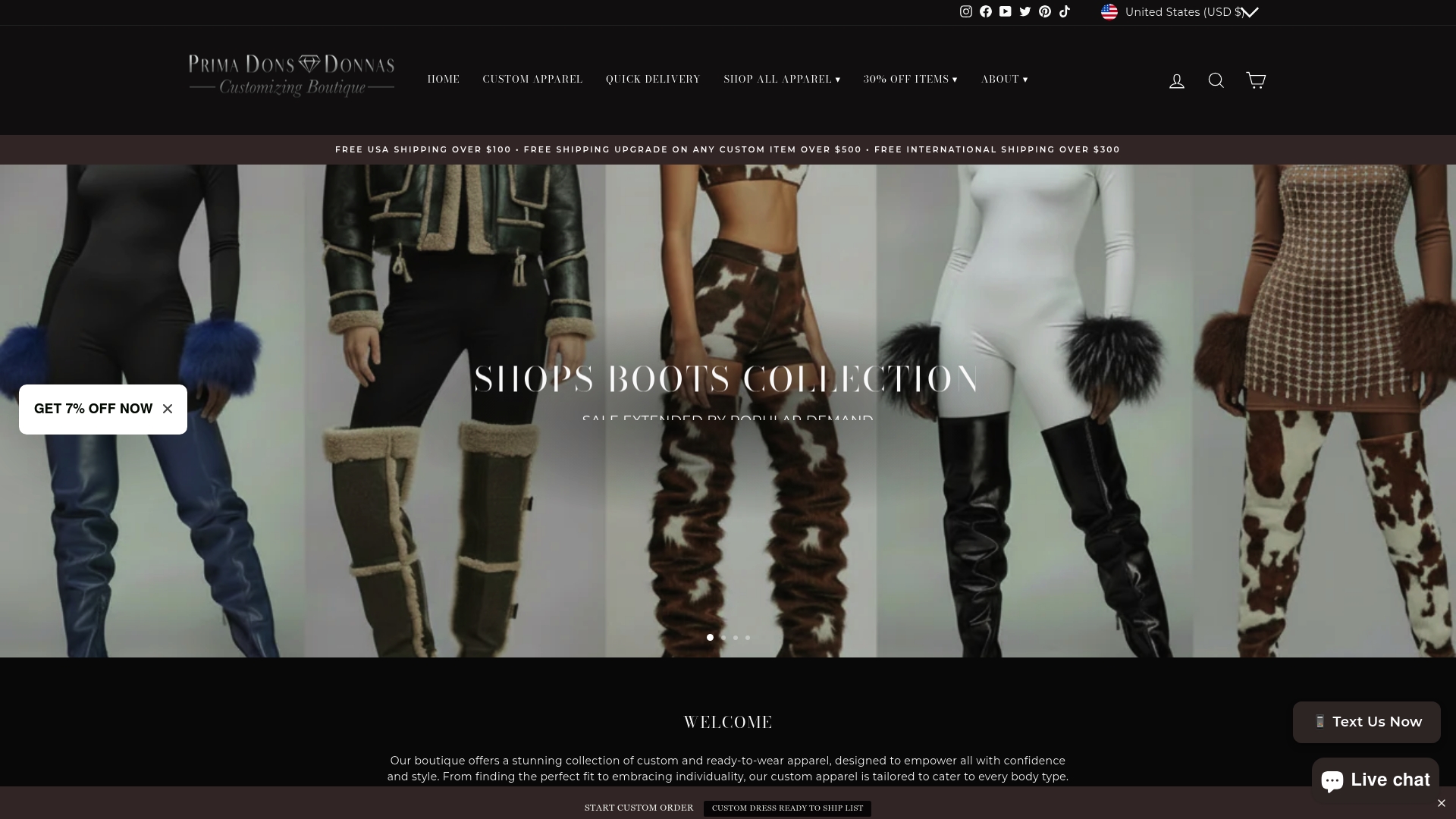
Prima Dons & Donnas offers a full range of made-to-order options built for fashion-forward women who refuse to settle for mass production. Browse the made-to-order dress collection for bold occasion wear designed to your exact measurements and color preferences. Explore custom shoes and sneakers crafted through semi-custom and bespoke processes that reflect your personal style. For outerwear that makes a statement, the custom outerwear collection delivers tailored fits and striking aesthetics for any special occasion. Ready-to-ship options are also available for quicker turnaround needs.
Frequently asked questions
What is the difference between semi-custom and fully bespoke designs?
Semi-custom options balance uniqueness and cost by modifying existing patterns with new uppers, while fully bespoke creates everything from scratch for complete design freedom at higher budgets and longer lead times of 120 to 150 days.
How important are fittings when ordering custom clothing?
Fittings are essential. Schedule at least one fitting for any custom dress, and plan for two or more fittings with complex designs to catch fit issues early and allow proper adjustments before the final piece is finished.
Can I order custom shoes in small quantities?
Yes, in some cases. Artisans may accept low MOQs starting at 10 to 20 pairs, though the per-unit cost rises significantly, while most standard factories require minimums of 100 pairs or more.
What sustainability benefits come with exclusive custom designs?
Custom designs made to order reduce overproduction waste, and sustainability improves with bespoke options because you can specify eco-friendly materials, ethical sourcing, and responsible construction at every stage.
How long does it take to receive fully bespoke custom footwear?
Fully bespoke creations require 120 to 150 days from order to delivery, covering pattern creation, last building, material sourcing, and the full production process. Plan well in advance of any fixed event date.
Recommended
- Express your individuality through fashion: a style guide – Prima Dons & Donnas
- Essential tips for choosing bold fashion without compromise – Prima Dons & Donnas
- Exclusive Online Dress Shopping: Personalized Luxury 2026 – Prima Dons & Donnas
- 7 Essentials for Your Ultimate Luxury Fashion Checklist – Prima Dons & Donnas


Leave a comment