

The power of exclusivity in personal style: Stand out in 2026
TL;DR:
- Exclusivity in fashion relies on scarcity, rarity, and access, not just logos or price.
- Ethical and personalized choices are increasingly valued as true symbols of status.
- Building a wardrobe with made-to-order and sustainable pieces creates genuine, lasting exclusivity.
Two dresses. Same fabric. Same silhouette. One sells for three times the price and gets worn to every major event. The other sits on a rack. The difference isn’t the material. It’s exclusivity in style, which drives perceived value and transforms products into status symbols. Exclusivity is the secret ingredient that makes a piece feel rare, intentional, and worth owning. It shapes how others see you and, more importantly, how you feel wearing it. This guide breaks down what exclusivity really means in modern fashion and how you can use it to build a wardrobe that’s truly unforgettable.
Table of Contents
- What exclusivity means in modern style
- Scarcity and rarity: How limited supply shapes desire
- Exclusivity, individuality, and the new status symbol
- Applying exclusivity: Building a wardrobe that feels uniquely yours
- Our take: Why exclusivity and ethical individuality matter now more than ever
- Ready to express your exclusive style?
- Frequently asked questions
Key Takeaways
| Point | Details |
|---|---|
| Exclusivity boosts style value | Limiting access or supply transforms everyday outfits into status symbols and builds perceived value. |
| Scarcity shapes demand | Small production runs, waitlists, and unique design elements make pieces coveted and memorable. |
| Ethical individuality is trending | Today’s exclusive style is about unique, responsibly-made clothing reflecting your personal values. |
| Sustainable choices enhance exclusivity | Opting for made-to-order or upcycled pieces delivers both rarity and eco-consciousness. |
What exclusivity means in modern style
Exclusivity in fashion is often misunderstood. Most people assume it means a logo, a high price tag, or a velvet rope. But that’s only one version of the story. True exclusivity is built on three pillars: scarcity, rarity, and access. Understanding luxury fashion terminology helps clarify why these pillars matter and how they shape the way a piece is perceived.
Scarcity means limited supply. Only 50 pieces made. A waitlist of 200 people. The item becomes desirable simply because not everyone can have it.
Rarity goes deeper. It refers to the unique materials, craftsmanship, or design that makes something genuinely one-of-a-kind. A hand-stitched coat or a custom-dyed dress is rare because no machine can replicate the exact result.
Access is about who gets in. VIP previews, private collections, and made-to-order services create a sense of belonging to a select group. That feeling of access is powerful.
Exclusivity can be driven by scarcity, rarity, or access control, and each mechanism influences perceived value and brand loyalty differently. Knowing which one resonates with your personal style helps you shop smarter and build a wardrobe with real meaning.
Here’s a quick comparison of how each mechanism shows up in real fashion choices:
| Exclusivity type | How it shows up | Example |
|---|---|---|
| Scarcity | Limited production runs | Drop collections, capsule lines |
| Rarity | Unique materials or craft | Hand-sewn details, custom dye |
| Access | Invitation or custom order | Made-to-order, VIP previews |
One of the biggest myths in fashion is that exclusive always means expensive. That’s not true anymore. Making style personal is now recognized as a form of exclusivity in its own right. Especially among younger fashion consumers, uniqueness and ethics carry more weight than a recognizable logo.
“Quiet luxury signals status through subtlety, access, and craftsmanship, not through visible branding.”
This shift is changing how smart shoppers approach their wardrobes. The most exclusive piece you own might not be the most expensive. It might be the one no one else has.
Scarcity and rarity: How limited supply shapes desire
Scarcity and rarity are not just marketing tactics. They are psychological forces that shape how much you want something and how much you’re willing to pay for it. When supply is limited, demand rises. That’s basic economics. But in fashion, the effect goes much further.
Consider this: handbags from silent luxury brands command higher average prices, and scarcity via waitlists increased the LV Neverfull’s resale value retention to 158%. That’s a striking number. It shows that limiting access doesn’t just protect a brand’s image. It actively increases the financial and emotional value of a piece over time.
Made-to-order fashion works on the same principle. When a dress is created specifically for you, in your size, your color, your measurements, it becomes rare by definition. No one else has that exact piece. That’s the foundation of personalized fashion and why it’s gaining ground against mass production.
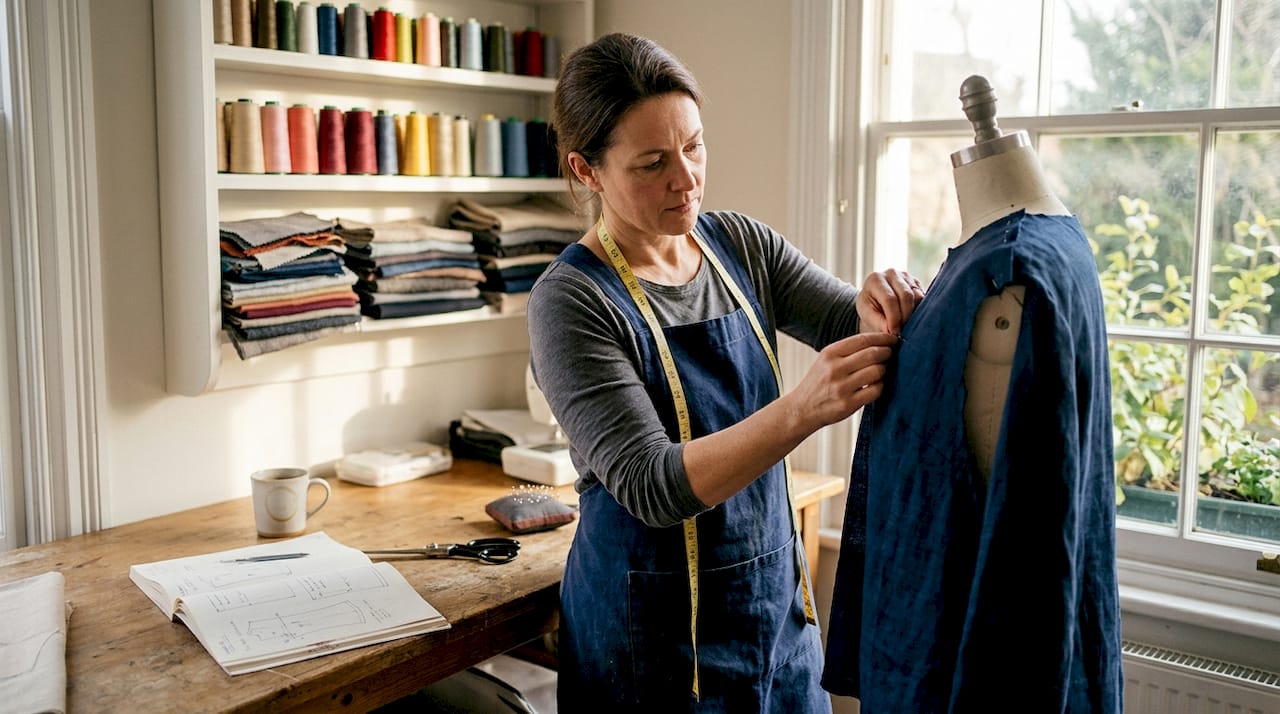
Here’s how scarcity and rarity mechanisms play out across different fashion formats:
| Format | Scarcity method | Effect on value |
|---|---|---|
| Limited drops | Timed release, capped units | Urgency, resale premium |
| Waitlists | Controlled access | Community status, loyalty |
| Made-to-order | One-of-one production | Rarity, personal attachment |
| Small-batch | Short production runs | Perceived craftsmanship |
How to use scarcity and rarity in your own wardrobe:
- Prioritize pieces with limited production runs over mass-market alternatives.
- Explore made-to-order options for key statement pieces like outerwear and dresses.
- Join waitlists for small designers whose work aligns with your style.
- Choose items with handmade or artisan details that can’t be replicated at scale.
- Compare luxury vs fast fashion to understand what you’re actually paying for.
Scarcity stat to know: Items produced in runs under 100 units consistently outperform mass-produced goods in both resale value and customer satisfaction ratings.
Pro Tip: When shopping for statement pieces, ask the brand directly about production volume. A made-to-order or small-batch answer is a strong signal of genuine rarity and long-term value.
Exclusivity, individuality, and the new status symbol
Scarcity is powerful. But in 2026, it’s only part of the story. The definition of status in fashion has shifted. It’s no longer just about owning something rare. It’s about owning something that reflects who you are and what you stand for.
72% of Gen Z values ethical exclusivity, meaning uniqueness that is also sustainable and responsible. That number signals a real change in how status is earned through fashion. A custom dress made from eco-friendly materials now carries more cultural weight in many circles than a logo-covered bag from a legacy brand.
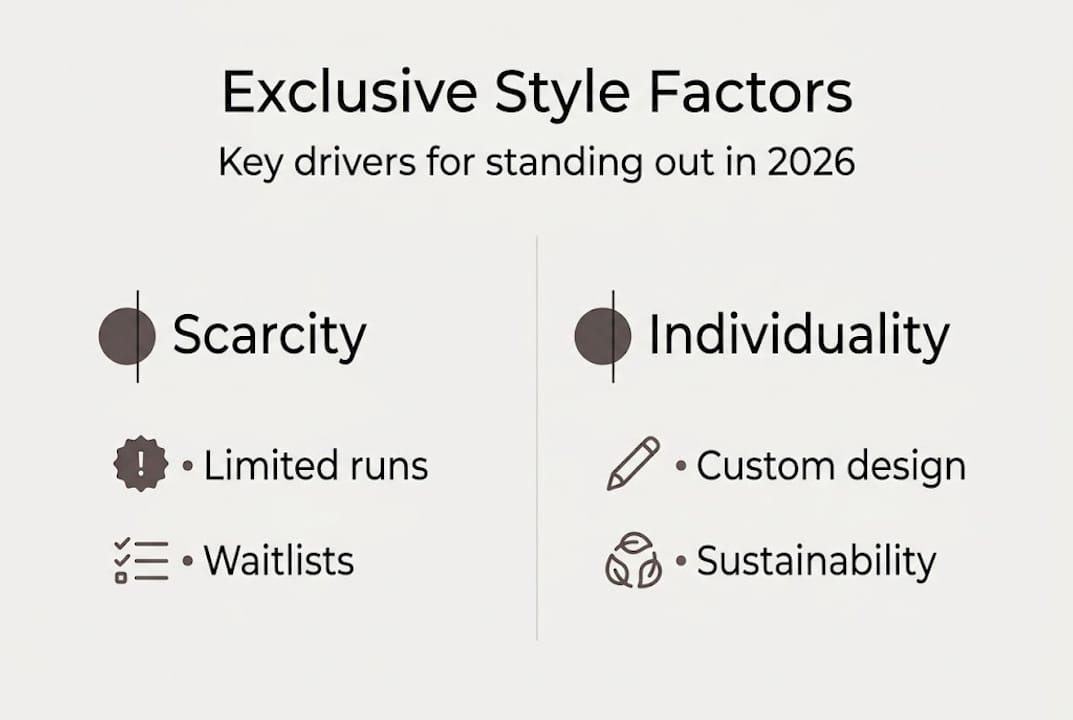
This is where personalization in fashion becomes a genuine status tool. When you choose a piece that was designed around your body, your color preferences, and your values, you’re making a statement that no mass-market item can match.
Practical ways to build ethical exclusivity into your wardrobe:
- Choose custom and made-to-order pieces for key items like dresses, coats, and boots.
- Support small-batch and independent designers who produce limited quantities with intention.
- Opt for sustainable materials like high-quality faux fur, organic fabrics, or upcycled textiles.
- Invest in pieces that align with your values, not just trends. That alignment is visible.
- Understand why personalized fashion matters as a long-term strategy for building a wardrobe with real identity.
The evolving luxury market confirms this shift. Consumers increasingly connect exclusivity to personal experience and ethical choices, not just price or heritage branding. Following 2026 sustainability trends is no longer just an environmental choice. It’s a style statement.
Pro Tip: Your most exclusive outfit in 2026 might be a custom coat in a color no one else ordered, made from sustainable faux fur. That’s rarity, ethics, and individuality in one piece.
Applying exclusivity: Building a wardrobe that feels uniquely yours
Knowing why exclusivity matters is one thing. Putting it into practice is another. Building a wardrobe that feels genuinely yours requires intention, not just a bigger budget.
Sustainability and exclusivity can work together, allowing for ethical, unique wardrobe curation. That means you don’t have to choose between standing out and making responsible choices. The two goals reinforce each other.
Here’s a step-by-step approach to building your exclusive wardrobe:
- Audit what you already own. Identify the pieces that feel most like you and the ones that feel generic. That gap shows you where to focus.
- Define your signature. Pick two or three elements (a color, a silhouette, a fabric) that will anchor your personal style.
- Invest in made-to-order for statement pieces. Dresses, outerwear, and footwear are the most visible parts of any look. Custom options here deliver the most impact.
- Explore sustainable custom clothing to find pieces that align with your values and your aesthetic at the same time.
- Build relationships with niche brands. When a designer knows your preferences, the pieces they create for you become genuinely exclusive. That’s a different experience from anonymous online shopping.
- Care for your pieces properly. Exclusive items last longer when maintained well. That longevity is part of what makes them valuable.
Brands that use eco label printing and transparent sourcing are worth supporting. These practices signal that a brand takes its commitments seriously, which adds to the authenticity of what you’re buying.
Pro Tip: Start with one made-to-order piece per season. Over two years, you’ll have a core wardrobe of eight to ten pieces that no one else owns. That’s a wardrobe with real identity.
Our take: Why exclusivity and ethical individuality matter now more than ever
Most style guides still focus on price points and heritage brands as the markers of exclusivity. That framework is outdated. The fashion landscape has shifted, and the most powerful statement you can make in 2026 is one that reflects your values, not just your spending.
Gen Z and style leaders value exclusivity based on ethics and individual experience, not just rarity. That’s not a trend. It’s a structural change in what fashion means to people who care about it.
Owning fewer, more intentional pieces delivers more confidence than a closet full of recognizable logos. A custom dress that fits your body perfectly, made in a color you chose, from a material you believe in, is more exclusive than anything mass-produced. It’s also more empowering.
The brands worth following are the ones building visibility in fashion through authenticity and craft, not advertising spend. Personal connections with ethical, bespoke design trump anonymous status symbols every time. That’s the version of exclusivity worth chasing.
Ready to express your exclusive style?
If this article has made one thing clear, it’s that exclusivity is within reach. You don’t need a massive budget or a legacy brand. You need pieces that are made for you, in your size, your color, your vision.
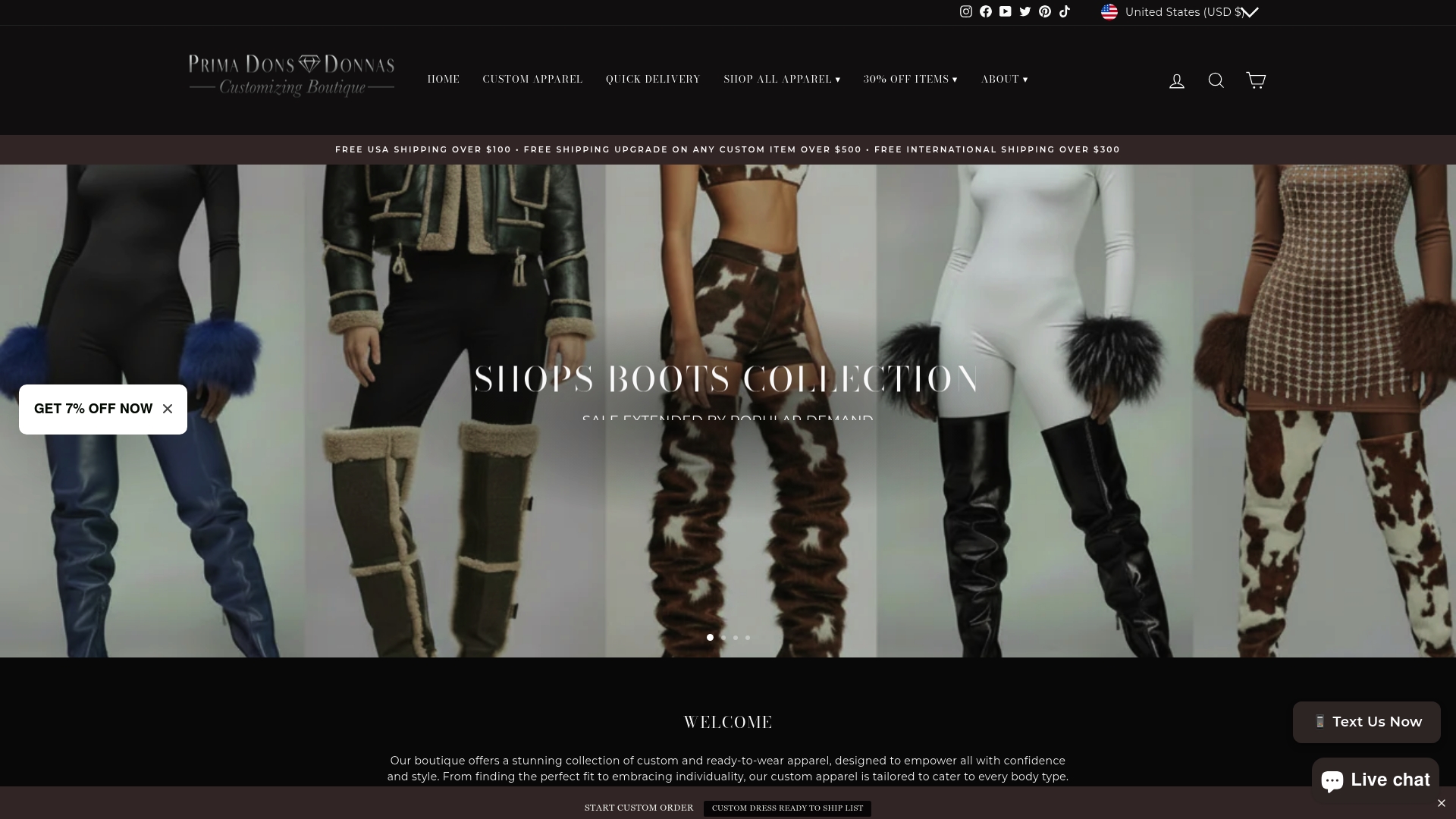
Prima Dons and Donnas specializes in exactly that. Browse the made-to-order dresses for statement looks built around your measurements. Explore custom outerwear for bold, sustainable pieces that no one else will own. Complete the look with custom and plus-size boots tailored to your fit. Every piece is designed with bold style and real wearability in mind. Ready to ship options are also available for faster delivery.
Frequently asked questions
Why does exclusivity make a style more desirable?
Exclusivity transforms products into status symbols by leveraging scarcity, rarity, and access control, making items feel rare, valuable, and expressive of personal identity.
How can I add exclusivity to my personal style without spending a fortune?
Opt for made-to-order, sustainable, or upcycled pieces from small designers. Exclusivity is increasingly connected to customization, sustainability, and ethical uniqueness, not just expense.
What is ethical exclusivity?
Ethical exclusivity means choosing unique fashion that is also sustainable and responsible. Gen Z values this approach as uniqueness that aligns rarity with positive values.
Why are quiet luxury brands commanding higher prices?
Silent luxury brands command higher average handbag prices than logo-heavy counterparts by using subtle materials, craftsmanship, and limited supply to create rare status.
Can sustainable fashion also be exclusive?
Yes. Sustainability amplifies exclusivity because responsibly made pieces are often small-batch or unique, making them both rare and meaningful.
Recommended
- Bold statement outfit ideas 2026: sustainable custom style – Prima Dons & Donnas
- Trends in Custom Fashion 2026: Bold Style and Personalization – Prima Dons & Donnas
- Bold fashion statement examples: personalized luxury style – Prima Dons & Donnas
- Master personalized special occasion styling in 2026 – Prima Dons & Donnas
- What is personalised skincare? A 2026 guide for London - The Aesthetics Room


Leave a comment