

What Defines Unique Apparel: A Style Guide for 2026
TL;DR:
- Unique apparel is distinguished by deliberate design choices, rare materials, and verifiable production provenance that set it apart from mass-produced clothing. Its significance lies in personalized fit, custom details, and artisan craftsmanship, which foster longer wardrobe durability and personal expression. Prioritizing intentional decisions and authentic features ensures garments carry lasting individual and aesthetic value aligned with sustainable fashion.
Unique apparel is clothing defined by intentional design decisions, rare physical attributes, and verifiable authenticity that separate it from mass-produced, generic garments. What defines unique apparel goes beyond a logo swap or a color change. It covers meaningful control over colorways, print placement, construction techniques, and material choices that give a garment its own identity. Custom prints, rare textures, limited edition drops, and artisan construction are all markers of this category. Whether you are shopping for a concert outfit, a wedding look, or a statement piece for a lunch date, understanding these markers helps you build a wardrobe that genuinely reflects who you are.
What design elements and customization define unique apparel?
Unique apparel starts with design control. Choosing a colorway, deciding where a graphic sits on a garment, selecting a specific closure, or specifying a silhouette are all decisions that shift a piece from generic to distinctive. A blank T-shirt becomes unique apparel the moment those decisions are made with intention. That is the core distinction between personalization and true customization.
Many shoppers confuse adding a name or a small logo with genuine customization. Real design control means multiple decision points across colors, fit, materials, and placement that affect the garment’s entire identity. A dress with a custom-cut neckline, a specific fabric weight, and a hand-selected print is fundamentally different from a standard dress with an embroidered monogram. The former reflects a design vision. The latter is decoration.
The features of distinctive fashion that carry the most visual weight are print scale, color contrast, and silhouette. A large-scale graphic placed asymmetrically reads as bold and intentional. A muted, centered logo reads as corporate. Understanding this helps you evaluate whether a piece is truly unique or simply branded. For special occasion shopping, such as party events or concert outfits, these decisions determine whether you stand out or blend in.
- Color and print placement: Where a print lands on the body changes how the eye reads the garment entirely.
- Silhouette and cut: A non-standard hem, exaggerated sleeve, or structured shoulder signals design intent.
- Closures and hardware: Exposed zippers, custom buttons, and unusual fastenings add tactile uniqueness.
- Size inclusivity by design: Garments cut specifically for plus sizes rather than scaled up from a sample size fit differently and feel more considered.
Pro Tip: When evaluating a custom piece, ask whether the design decisions would still be visible from ten feet away. If the only customization is a small label or a subtle stitch, the garment’s identity has not changed. Prioritize scale and placement for maximum visual impact.
You can explore the custom clothing order process to understand how these design decisions translate into a finished garment.
How do physical attributes and production techniques contribute to uniqueness?
Physical uniqueness originates from human construction. Rare fibers, handcraft irregularities, and artisan construction techniques produce results that machines cannot replicate at scale. A hand-stitched seam carries a slight variation in tension. A naturally dyed fabric carries tonal shifts across the yardage. These are not flaws. They are signatures.
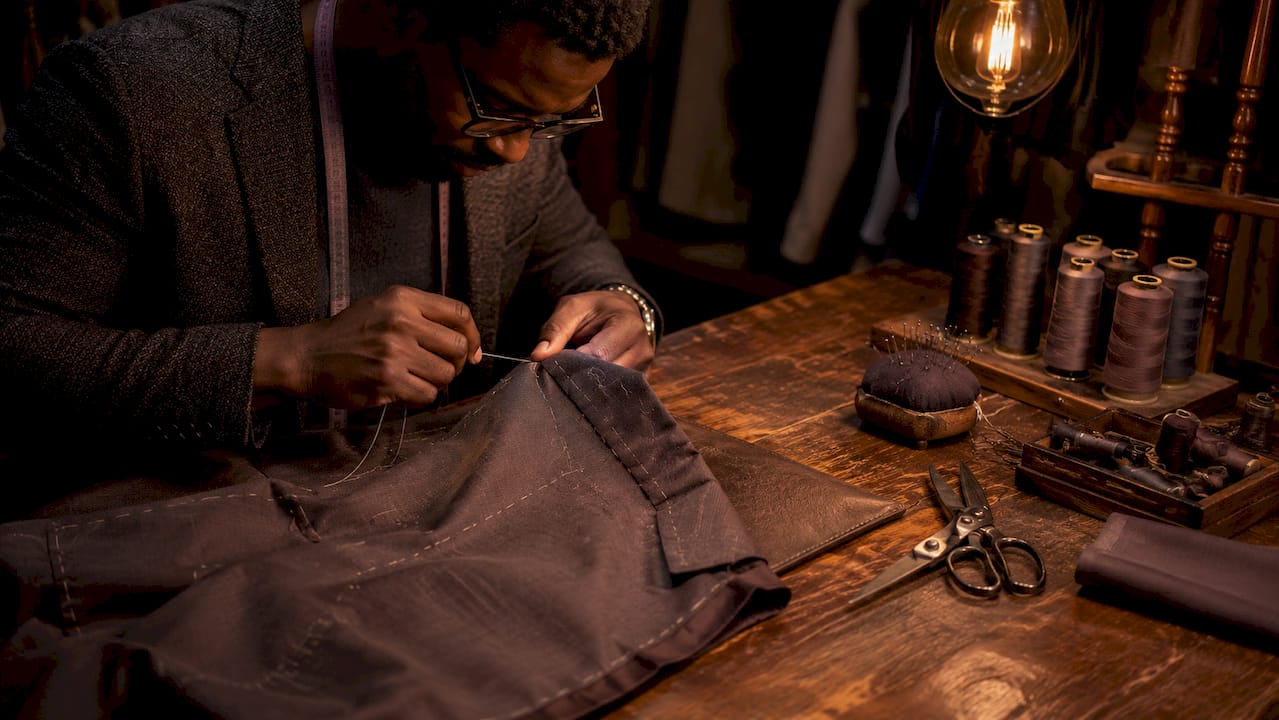
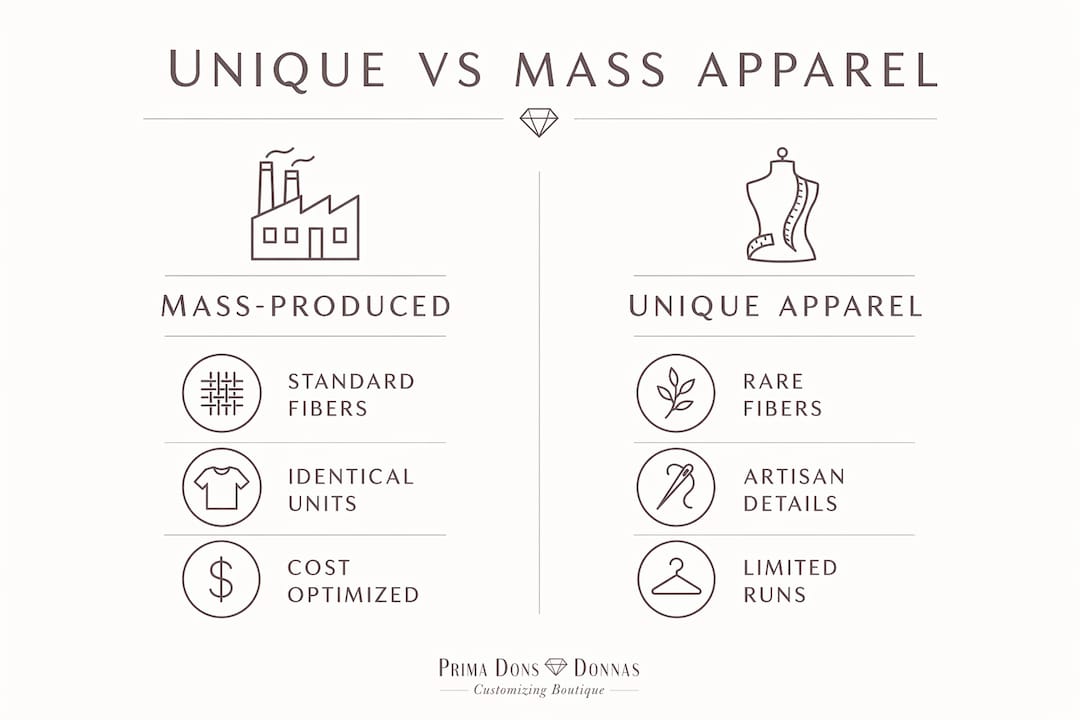
Mass production optimizes for consistency and cost. Every unit in a run of 10,000 garments is meant to be identical. Unique apparel, by contrast, prioritizes purpose, comfort, and exclusivity tied to a specific audience or event. The table below shows how these two production philosophies differ across key attributes.
| Attribute | Mass-produced apparel | Unique apparel |
|---|---|---|
| Material sourcing | Standardized, cost-optimized fabrics | Rare, local, or specialty fibers |
| Construction | Machine-uniform stitching | Artisan or limited-batch techniques |
| Fit | Scaled from a single sample size | Cut to specific measurements or size ranges |
| Finish | Identical across units | Natural variation and handcraft detail |
| Production volume | Thousands of identical units | Limited runs or made-to-order |
Artisan touches and individual signatures strengthen uniqueness in ways that are measurable and visible. A faux fur jacket cut in a specific pile direction, a dress with hand-finished edges, or boots with custom hardware all carry physical evidence of intentional production. These details are what collectors and style-conscious buyers look for when assessing whether a garment is worth its price.
Wearable art represents the highest standard of this category. Concept-driven, one-of-a-kind apparel elevates clothing into artistic expression, where the garment itself communicates an idea or narrative. This is not limited to gallery pieces. A well-constructed statement coat or a custom-printed dress worn to a wedding or formal event can carry the same conceptual weight.
Pro Tip: To identify authentic material uniqueness, run your hand across the fabric in both directions. Natural and specialty fibers respond differently to touch depending on weave direction. Machine-made synthetics feel uniform. Artisan or rare materials feel distinct, with subtle variation in texture and weight.
What practical signals verify authenticity and rarity of unique apparel?
Authenticity in unique apparel is verified through layered checks, not a single label or price tag. Provenance and physical verification are the two primary signals. Provenance covers the garment’s release context: which season it dropped, whether it was part of a collaboration, and whether the seller can provide clear purchase history. Physical verification covers what you can see and feel on the garment itself.
Here is a practical authentication process for limited edition and one-of-a-kind pieces:
- Verify the release context. Confirm the drop season, collaboration details, and production run size. Authentic limited pieces have documented release histories. Inconsistent stories or vague sourcing are red flags.
- Compare against official reference photos. Check stitching color, label font, hardware finish, and print resolution against verified images from the brand or original release.
- Inspect physical markers. Examine interior labels, size stamps, seam finishing, and hardware weight. Counterfeit pieces often cut corners on interior details that buyers rarely check.
- Assess the seller’s credibility. Trustworthy sellers provide clear purchase history, original receipts, and consistent product photos. Reluctance to share provenance is a strong warning sign.
- Check for construction consistency. On authentic artisan or limited-batch pieces, stitching tension and seam alignment are deliberate. On counterfeits, these details are rushed and uneven in ways that feel accidental rather than intentional.
This process applies equally to streetwear drops, designer collaborations, and made-to-order fashion. The qualities of one-of-a-kind clothing are always traceable back to specific decisions made during design and production. If those decisions cannot be verified, the garment’s claim to uniqueness weakens significantly.
Red flags to watch for: stock photos instead of actual product images, no size stamps on interior labels, hardware that feels lightweight or hollow, and sellers who cannot name the original release season.
Why does uniqueness matter for personal style and sustainable fashion?
Unique garments drive longer ownership. When a piece reflects your specific taste, fits your body correctly, and carries physical details you chose, you are far less likely to discard it after one season. This is the direct link between unique apparel and sustainable fashion. Fast fashion thrives on disposability. Unique apparel opposes that model by creating attachment.
Consumers form stronger identity attachment to garments with rare physical features and distinctive construction. This is not just a feeling. It translates into behavior: repairing instead of replacing, styling the same piece multiple ways, and treating the garment as part of a personal wardrobe identity rather than a seasonal trend. For fashion enthusiasts, this is the difference between a closet full of forgettable pieces and a wardrobe that actually represents you.
The connection between individual expression in clothing and long-term wardrobe value is well established in fashion psychology. Garments tied to specific memories, events, or design choices carry emotional weight that generic pieces cannot. A custom dress worn to a wedding, a made-to-order coat chosen for a concert, or a pair of custom boots selected for a lunch date all carry that weight.
- Personal expression: Unique pieces communicate identity, taste, and confidence without requiring explanation.
- Rarity value: Limited production runs and made-to-order pieces hold their appeal longer than mass-produced alternatives.
- Sustainability: Longer ownership reduces consumption and supports a more intentional approach to fashion.
- Confidence: Wearing something designed with your specific measurements and preferences changes how you carry yourself.
Uniqueness does not require a garment to be one-of-a-kind to be meaningful. A custom run of ten dresses, each made to a different person’s measurements and color preferences, creates meaningful uniqueness for every wearer. Exclusivity is about intention, not scarcity alone.
Key takeaways
Unique apparel is defined by intentional design control, rare physical attributes, and verifiable provenance that together create garments with lasting personal and aesthetic value.
| Point | Details |
|---|---|
| Design control defines uniqueness | Color, print placement, fit, and materials must all reflect intentional decisions to create truly unique apparel. |
| Physical attributes signal authenticity | Artisan construction, rare fibers, and handcraft irregularities distinguish genuine unique pieces from mass-produced alternatives. |
| Provenance verifies rarity | Release context, seller credibility, and physical markers are the layered checks that confirm a garment’s authenticity. |
| Uniqueness supports sustainability | Garments with distinctive features and personal relevance are kept longer, reducing fast fashion consumption. |
| Customization within a run counts | Made-to-order pieces tailored to individual measurements and preferences create meaningful uniqueness even in small production runs. |
Why I think most people underestimate what unique apparel actually requires
Most people assume unique apparel means expensive or rare. That is the wrong frame entirely. I have seen $40 made-to-order pieces that carry more genuine uniqueness than $400 designer items produced in runs of 50,000. The difference is always in the decisions made before the garment was cut.
What I find most undervalued is the role of fit in uniqueness. A garment cut to your actual measurements, especially for plus sizes, changes the entire reading of the piece. It stops looking like clothing and starts looking like style. That shift is what people notice from across the room, not the price tag or the label.
The misconception I push back on hardest is that custom apparel is complicated or slow. Made-to-order brands like Primadonsanddonnas have built workflows that make the process direct and accessible, with ready-to-ship options for buyers who need something fast. You do not have to choose between speed and uniqueness. You can have both.
My practical advice: start with one piece that you design with full intention. Choose the color, the silhouette, and the occasion. Wear it to something that matters, a concert, a wedding, a dinner. Notice how differently you carry yourself when the clothing was made for you. That experience is the clearest argument for unique apparel I know.
— Latoya
Shop custom and unique apparel at Primadonsanddonnas
Primadonsanddonnas builds every piece around the design decisions that define unique apparel: color, fit, silhouette, and material, all chosen with intention.
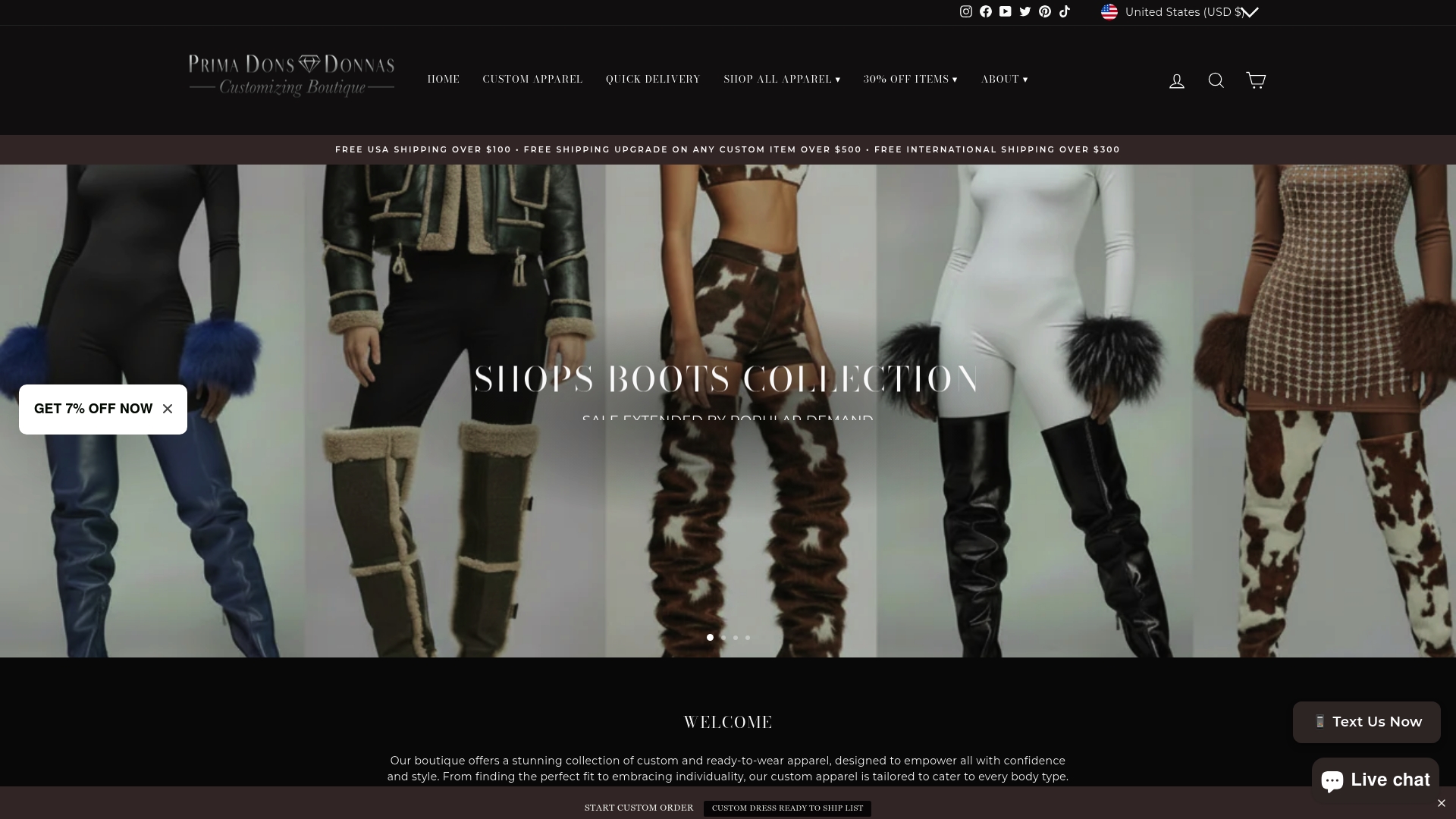
The made-to-order dress collection covers special occasions from weddings to concerts to lunch dates, with plus-size options cut to fit rather than scaled up. The custom outerwear collection includes luxury faux fur styles built for bold, conscious fashion choices. Ready-to-ship options are available for buyers who need a statement piece quickly. Every item ships with the design control and exclusivity that separates unique apparel from anything you will find on a mass-market rack.
FAQ
What defines unique apparel?
Unique apparel is defined by intentional design decisions like color selection, print placement, and construction choices that differentiate a garment from generic, mass-produced clothing. Physical attributes such as rare materials and artisan construction further strengthen that distinction.
How do you identify unique apparel vs. a regular garment?
Check for meaningful design control across multiple points: fit, fabric, silhouette, and finish. Authentic unique pieces also carry verifiable provenance, such as a documented release season or made-to-order production history.
Does unique apparel have to be one-of-a-kind?
No. A garment made to your specific measurements and color preferences within a small production run creates genuine uniqueness even if other versions exist. The key factor is intentional customization, not absolute scarcity.
Why does unique apparel support sustainable fashion?
Distinctive garments encourage longer ownership because buyers form stronger identity attachment to pieces that reflect personal taste and fit correctly. Longer ownership directly reduces the consumption cycle that fast fashion depends on.
What are the best examples of unique fashion design?
Made-to-order dresses, limited edition streetwear drops, artisan-constructed outerwear, and custom footwear are strong examples. You can find tips for exclusive designs to help narrow your choices based on occasion and personal style.
Recommended
- Express your individuality through fashion: a style guide – Prima Dons & Donnas
- Guide to expressing style with custom fashion in 2026 – Prima Dons & Donnas
- Custom Clothing Guide for Unique, Sustainable Fashion – Prima Dons & Donnas
- Step by Step Custom Clothing Guide for Unique Looks – Prima Dons & Donnas


Leave a comment