

What Is Responsible Fashion and Why It Matters
TL;DR:
- Responsible fashion encompasses environmental, social, and economic considerations across the entire supply chain, promoting sustainability. It promotes extending garment life through reuse, repair, and circular models, reducing textile waste and pollution. Making responsible choices involves transparency, choosing durable materials, shopping secondhand, and supporting made-to-order brands like Primadonsanddonnas.
Responsible fashion gets dismissed as a buzzword by skeptics and misunderstood as a style limitation by shoppers. Neither is true. What is responsible fashion, exactly? The industry calls it sustainable fashion or ethical fashion, and it covers far more than materials. Responsible fashion addresses environmental integrity, social equity, and economic viability across the entire supply chain, from raw fiber to the moment you donate or discard a garment. If you have ever wondered whether your clothing choices actually make a difference, this guide gives you a straight answer.
Key takeaways
| Point | Details |
|---|---|
| Responsibility covers the full chain | Ethical fashion examines material sourcing, production conditions, garment use, and end-of-life disposal. |
| Fast fashion costs more than money | The impact of fast fashion includes worker exploitation, chemical pollution, and massive textile waste. |
| Circular design beats recycling | Extending garment life through reuse, rental, and repair reduces environmental harm far more than recycling alone. |
| Certifications need scrutiny | Not all eco-labels cover the same scope; knowing what a certification actually measures protects you from greenwashing. |
| Small choices compound | Shopping secondhand, caring for garments properly, and choosing durable pieces all add up to real impact over time. |
What responsible fashion actually means
The term responsible fashion sounds broad because it is. Industry professionals typically frame it under the umbrella of sustainable or ethical fashion, but those two words point to slightly different concerns. Understanding both helps you ask better questions when you shop.
Ethical fashion focuses on the human side of clothing production. It means workers receive fair wages, operate in safe conditions, and are not subjected to forced or child labor. Ethical fashion protects both people and the planet by combining fair treatment in workplaces with responsible sourcing that minimizes environmental harm. The contrast with fast fashion is stark. Fast fashion prioritizes speed and low cost, which routinely pushes those human costs onto garment workers in lower-wage countries.
Eco-friendly or sustainable fashion focuses on the environmental side. This includes:
- Sourcing fibers with lower water and chemical footprints, such as organic cotton, linen, or recycled synthetics
- Reducing or eliminating toxic dyes and finishing chemicals in manufacturing
- Cutting energy and water consumption in factories
- Designing garments so they last longer before wearing out
Here is where it gets nuanced. Ethical fashion frameworks hold that a garment is only truly responsible if it meets both worker safety and environmental performance standards. One without the other does not qualify. A shirt made from organic cotton in a factory with wage theft is not an ethical shirt. A factory with excellent labor practices but toxic chemical runoff is not a sustainable one.
Pro Tip: When a brand claims to be ethical or sustainable, ask which part of the supply chain they are describing. A certification for raw materials tells you nothing about factory conditions, and vice versa.
Certifications exist to help verify claims, but sustainability certifications differ widely in scope. Some cover raw materials only. Others address chemical safety or manufacturing processes. Reading what a label actually certifies, rather than assuming it covers everything, is one of the most practical habits you can build as a conscious shopper.
The circular economy and fashion’s waste problem
Responsible fashion goes beyond how a garment is made. It also asks what happens to it after you buy it. This is where circular economy thinking enters the picture, and it changes the conversation completely.
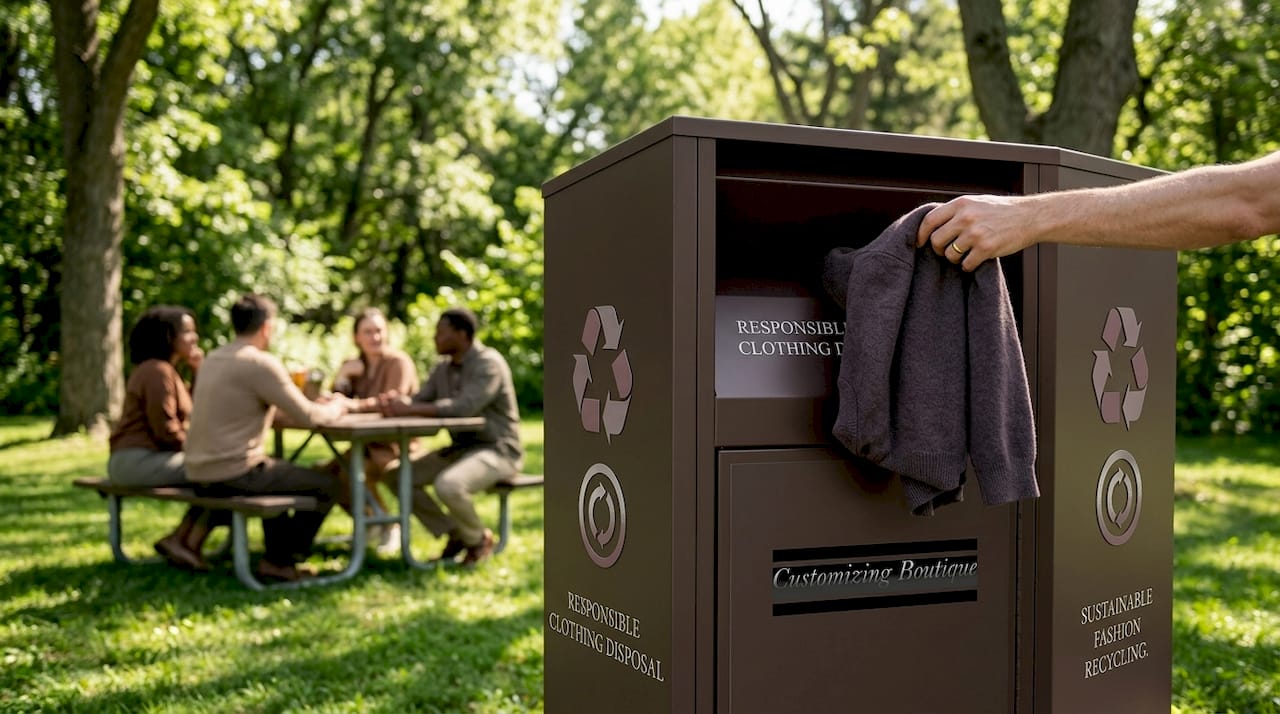
Fast fashion produces large volumes of low-cost apparel designed for short use, and 66% of discarded textiles in the US end up in landfills. That statistic is not abstract. It means the majority of what Americans buy eventually becomes waste, often within a few years of purchase.
Circular business models offer a different path. Circular approaches decouple profit from production by extending garment life through reuse, resale, rental, and repair, which reduces environmental impact far more than downstream recycling alone. The logic is straightforward. A dress worn 50 times has a fraction of the per-wear footprint of a dress worn five times.
| Circular model | How it works | Environmental benefit |
|---|---|---|
| Rental | Customers pay to wear, not own | One garment serves many customers |
| Resale | Pre-owned garments sold at lower prices | Extends product life and reduces demand for new production |
| Repair services | Brands or cobblers fix worn items | Delays landfill entry significantly |
| Take-back programs | Brands collect used items for reuse or recycling | Keeps materials in the value chain |
Policy is now accelerating this shift. The EU’s revised Waste Framework Directive enforces Extended Producer Responsibility for textiles, requiring producers to pay fees that fund collection and recycling. Those fees are eco-modulated, meaning brands that design for durability and recyclability pay less. That financial incentive pushes designers to build longer-lasting products from the start.
“Textile circularity is largely driven by upstream factors like product durability and repairability. Extending garment use has a far greater environmental benefit than relying solely on recycling processes.” — WRAP
The UN’s sustainable uniform initiative demonstrates what this looks like in practice. Circular design principles and deadstock materials were integrated into the project, with sustainable accessories set to launch during New York Fashion Week 2026. When major institutions start weaving circularity into their public identity, it signals a real shift in how fashion’s role is understood.
How to make responsible clothing choices
Knowing what responsible fashion means is useful. Knowing how to practice it is better. The good news is that making more conscious choices does not require a complete wardrobe overhaul or a significant budget increase. It requires a different way of evaluating what you buy.
- Check for supply chain transparency. Brands that list their factories, publish audit results, or use digital product passports for traceability are operating at a higher standard than those who only share vague sustainability language on their website.
- Learn the eco-friendly materials to look for. Organic cotton, Tencel (lyocell), recycled polyester, and linen generally carry lower environmental footprints than conventional alternatives. Explore sustainable fashion materials to understand which fibers suit different garment types.
- Shop secondhand before buying new. Thrift stores, consignment shops, and resale platforms give existing garments a longer life. This is one of the most immediate ways to reduce your share of textile waste.
- Invest in durability. A well-made piece worn for five years beats a cheap piece worn five times in every measurable way. Check stitching quality, fabric weight, and whether the brand offers repairs.
- Extend garment life at home. Washing in cold water, air drying, and storing items correctly all extend the lifespan of clothing. Shifting away from the “new is better” mindset is one of the most effective changes a consumer can make.
- End-of-life planning. Before you discard anything, consider donation, resale, textile recycling bins, or brand take-back programs. Explore how to build a sustainable wardrobe workflow to make this a habit rather than a one-time effort.
Pro Tip: When evaluating a brand’s sustainability claims, ask yourself: “Does this certification cover materials, manufacturing, or labor?” If the brand cannot answer that question clearly, treat their claims with caution.
Reading certifications critically is its own skill. Evaluating responsible fashion claims requires understanding which part of the supply chain or material lifecycle a certification actually covers. The Materials Matter Standard, for example, combines practice-based and outcome-based criteria to give a fuller picture than single-focus labels. Knowing this prevents you from being misled by packaging that looks responsible without being substantiated.
Responsible fashion vs. fast fashion: a direct comparison
The differences between responsible fashion and fast fashion are not just philosophical. They show up in measurable outcomes across production, labor, and waste.
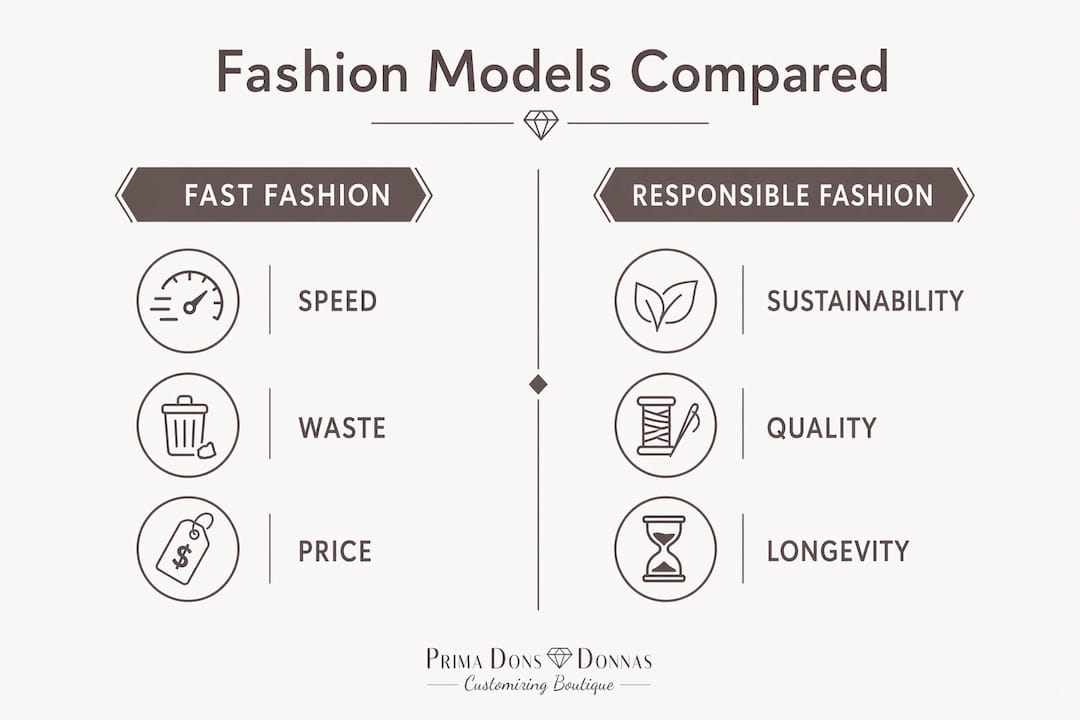
| Factor | Fast fashion | Responsible fashion |
|---|---|---|
| Production speed | Weeks from design to shelf | Months, with quality controls |
| Labor conditions | Often low-wage, unsafe factories | Fair wages, audited workplaces |
| Material sourcing | Cheap synthetic blends, high chemical use | Certified, lower-impact fibers |
| Garment lifespan | 5 to 10 wears typical | Designed for years of use |
| End-of-life | Majority enters landfill | Resale, repair, or recycling pathways |
| Price point | Low upfront cost | Higher upfront, lower cost per wear |
The cost objection is real but incomplete. A $200 dress worn 80 times costs $2.50 per wear. A $40 dress worn eight times costs $5 per wear and likely ends up in a landfill. The sustainable fashion options available today have expanded significantly, and the math on long-term value consistently favors quality over volume.
My take on responsible fashion
I’ve spent years watching people treat responsible fashion as something for a specific type of person. Minimalists. Activists. People with money to spend on linen and organic cotton. What I’ve learned is that framing is both wrong and a little unfair.
Responsible choices exist at every price point. Buying secondhand is more sustainable than buying new organic cotton. Wearing what you already own beats any purchase. The most sustainable garment in your closet is the one you actually wear, repeatedly, with care.
What I’ve also noticed is that the brands doing this well are not sacrificing style. They are building reputations on it. Custom, made-to-order production is one of the clearest expressions of responsible fashion I’ve seen. When a piece is made specifically for you, there is no overproduction, no unsold inventory, and no waste from excess stock. The garment exists because it was needed. That logic is hard to argue with.
My honest take is that responsible fashion is more accessible than the industry lets on. You do not need to overhaul your entire wardrobe. Start with one habit: buy one fewer new thing this season and spend that budget on something well-made instead. The impact compounds faster than most people expect.
— Latoya
Shop custom. Shop responsibly.
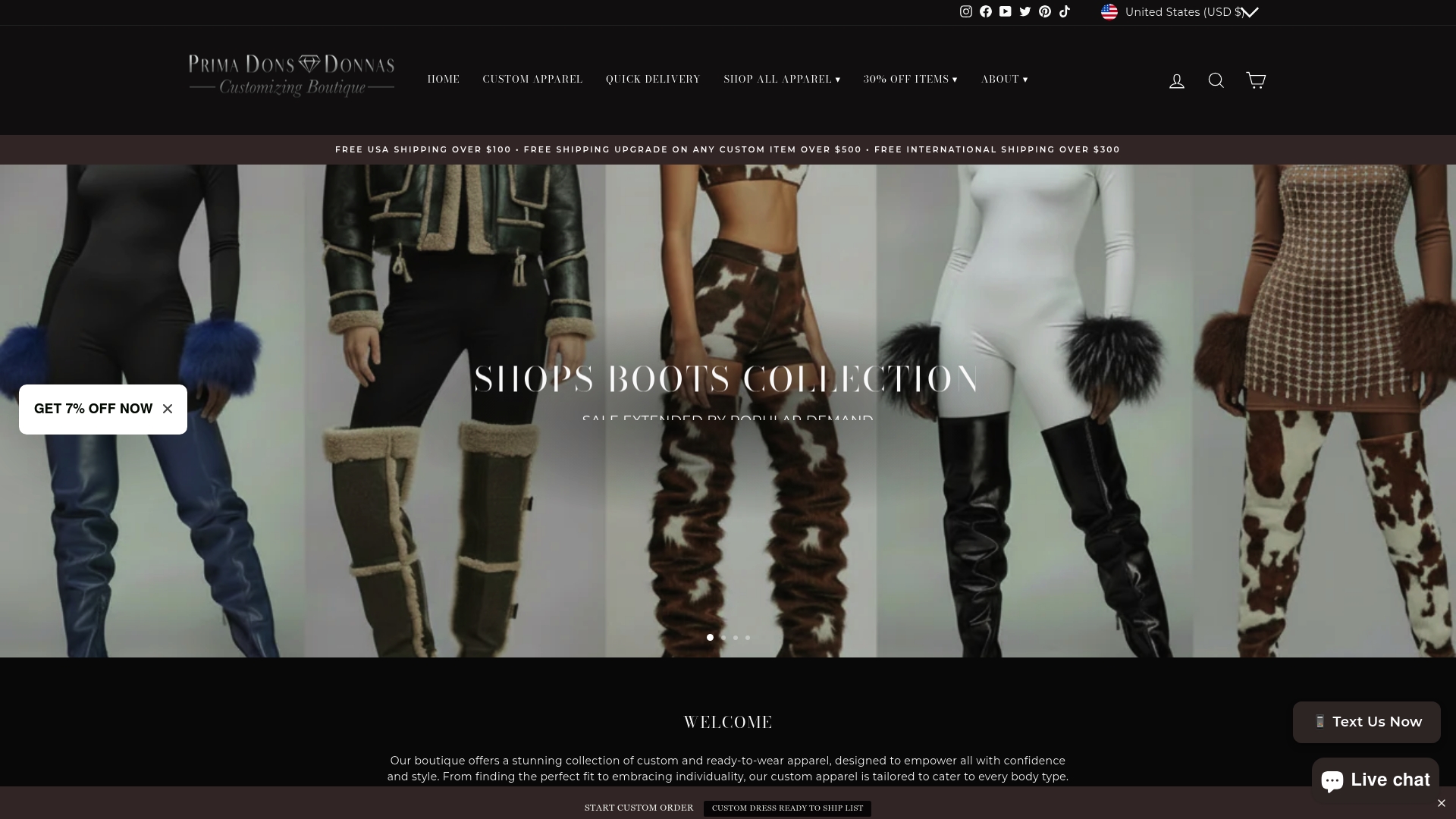
At Primadonsanddonnas, every piece is made to order. That means no excess inventory, no overproduction, and no garments sitting unsold in a warehouse. Each custom design is built for your size, your color preference, and your occasion, whether that is a concert, a wedding, a party, or a lunch date.
The made-to-order dress collection includes statement pieces crafted for plus sizes and standard sizes alike, with options in faux fur and other quality materials chosen with conscious fashion in mind. Browse the custom outerwear collection for bold, wearable pieces built to last, or explore the custom boots range for footwear that pairs style with durability. Ready-to-ship options are also available for faster delivery. Shop now at primadonsanddonnas.com.
FAQ
What is responsible fashion in simple terms?
Responsible fashion is an approach to clothing that considers environmental impact, worker treatment, and long-term product value across the entire supply chain, not just how a garment looks or how much it costs.
How does fast fashion harm the environment?
Fast fashion’s impact includes massive textile waste, with 66% of discarded US textiles ending up in landfills, plus pollution from chemical dyes and high water consumption during manufacturing.
What certifications should I look for in ethical clothing brands?
Look for certifications that specify what they cover. Some address raw materials, others cover chemical safety or factory conditions. The Materials Matter Standard is one example that combines multiple criteria for a more complete picture.
Is responsible fashion only for expensive brands?
No. Shopping secondhand, extending the life of garments you already own, and choosing durable pieces over cheap ones are all responsible clothing choices that work at any budget.
What makes made-to-order clothing more sustainable?
Made-to-order production eliminates overstock and unsold inventory, which are major sources of textile waste in conventional fashion retail. Each garment is produced because a specific customer needs it.
Recommended
- Why Sustainable Fashion Matters: Eco-Friendly Style Guide – Prima Dons & Donnas
- How fashion innovation empowers style and sustainability – Prima Dons & Donnas
- Conscious fashion choice in 2026: Bold, sustainable style – Prima Dons & Donnas
- Sustainable fashion explained: a guide to eco-chic choices – Prima Dons & Donnas


Leave a comment