

How fashion innovation empowers style and sustainability
TL;DR:
- Current fashion innovations focus on personalization, sustainability, and circularity to reduce waste, improve fit, and lessen environmental impact. Advanced technologies like 3D body scanning, eco-friendly materials, and dye recovery systems enhance quality and transparency, transforming how clothes are made and worn. Genuine progress depends on verified data, full lifecycle understanding, and aligning production with individual needs and environmental responsibility.
Fashion’s biggest breakthroughs right now have nothing to do with runway trends. They solve something far more urgent: why so many women walk away from clothing that looks great but fits poorly, harms the planet, or falls apart after three wears. The latest wave of innovation combines AI-driven personalization, eco-material science, and circular manufacturing to make fashion work for every body, every value system, and every occasion. This article breaks down exactly what those technologies do, how to spot genuine sustainability, and what all of it means for building a wardrobe you’ll actually love wearing.
Table of Contents
- Why innovation matters: Fashion’s evolving priorities
- Personalization tech: From scanning to self-expression
- Eco-luxury materials: Choosing for comfort, quality, and planet
- Sustainability trade-offs: Understanding eco-labels and impacts
- The circular edge: Recycling innovations and emissions reductions
- Why true innovation starts with your experience
- Discover your next-level personalized and sustainable wardrobe
- Frequently asked questions
Key Takeaways
| Point | Details |
|---|---|
| Personalization for all sizes | Fashion innovation empowers every woman, regardless of size, with custom fits and enhanced self-expression. |
| Eco-luxury through smart materials | Ecodesign and life-cycle thinking help you enjoy both luxury and sustainability without compromise. |
| Know the trade-offs | Not all ‘green’ solutions are perfect—learn to interpret lifecycle data and transparency claims critically. |
| Circular solutions reduce emissions | Recycling processes like dye recovery are major breakthroughs for sustainable fashion. |
| Look for proven innovation | Trust brands that validate tech and sustainability claims with evidence, not just catchy phrases. |
Why innovation matters: Fashion’s evolving priorities
For decades, fashion innovation meant a new silhouette, a fresh color palette, or a splashy collaboration. That’s changing fast. Today, the most impactful work in the industry targets the entire chain of events that turns raw material into the garment hanging in your closet. Design, production, distribution, wear, and end-of-life disposal are all under scrutiny.
The core problems being solved are real and measurable:
- Overproduction: Millions of unsold garments are destroyed or landfilled each year
- Poor fit: Standard sizing leaves huge portions of the market underserved
- Environmental cost: Textile production ranks among the most resource-intensive industries globally
- Short lifespan: Fast-fashion items are often worn fewer than ten times before disposal
AI-driven personalized customization is being studied specifically for its role in reducing overproduction and inventory surplus while improving how often and how long people actually wear their clothes. This framing is important. It positions advantages of personalized fashion not as a luxury perk but as a structural fix for one of fashion’s biggest waste problems.
“Fashion innovation is increasingly about mechanics for personalization and sustainability across the value chain rather than only new styles.” This insight reframes who benefits from innovation. It’s not just designers. It’s every woman who has ever returned a dress because the shoulders fit but the waist didn’t.
Sustainable fashion options are expanding alongside personalization tech, and the two trends reinforce each other. A garment made to your exact measurements gets worn more, wasted less, and replaced less often. That’s good for your wallet and the planet. With that context in mind, let’s explore how personalization technologies are making fashion work for every body.
Personalization tech: From scanning to self-expression
The phrase “personalized fashion” can sound vague. In practice, it refers to a layered system of technologies that work together to understand your body and your style preferences, then produce clothing or footwear matched to both.
Here’s how the process typically works:
- Body data capture: 2D images or 3D body scans create a precise digital model of your measurements, posture, and proportions
- Feature extraction: Algorithms analyze the data to identify fit-critical variables like shoulder slope, hip-to-waist ratio, and arch height for footwear
- Preference modeling: Style history, color choices, and interaction data feed a system that learns what you like
- On-demand production: A garment or shoe is produced only after the order is placed, eliminating dead inventory
The Scientific Reports research describes exactly this kind of multimodal acquisition using 2D images, 3D scans, and user interaction data with a multi-layer architecture for feature extraction and preference modeling. The result is an on-demand personalization system that avoids the standard-size mismatch problem affecting women across every size range.
The practical impact is significant. Consider the difference between buying a dress in a size labeled “large” and wearing a dress produced from your actual body scan. The first involves guesswork and compromise. The second reflects why personalized fashion matters as a tool for genuine self-expression rather than settling.
| Technology | What it does | Benefit to you |
|---|---|---|
| 3D body scanning | Captures precise measurements | Eliminates fit guesswork |
| Preference modeling | Learns style history | Suggests styles you’ll actually love |
| AI fit algorithms | Maps body data to garment specs | Reduces returns and waste |
| On-demand production | Produces only after ordering | Cuts overproduction significantly |
Personalization in fashion is not just for high-end couture anymore. These systems are scaling, and the brands adopting them early are building stronger customer loyalty because the product simply fits and feels better.
Pro Tip: When a brand claims its personalization system improves fit, ask whether it uses real-world testing and evaluation loops. Marketing language about “AI-powered” or “custom” means very little without validated results from actual customers wearing actual garments.
Beyond perfecting fit, fashion innovation is reshaping how materials are chosen for both luxury and eco-conscious wardrobes.
Eco-luxury materials: Choosing for comfort, quality, and planet
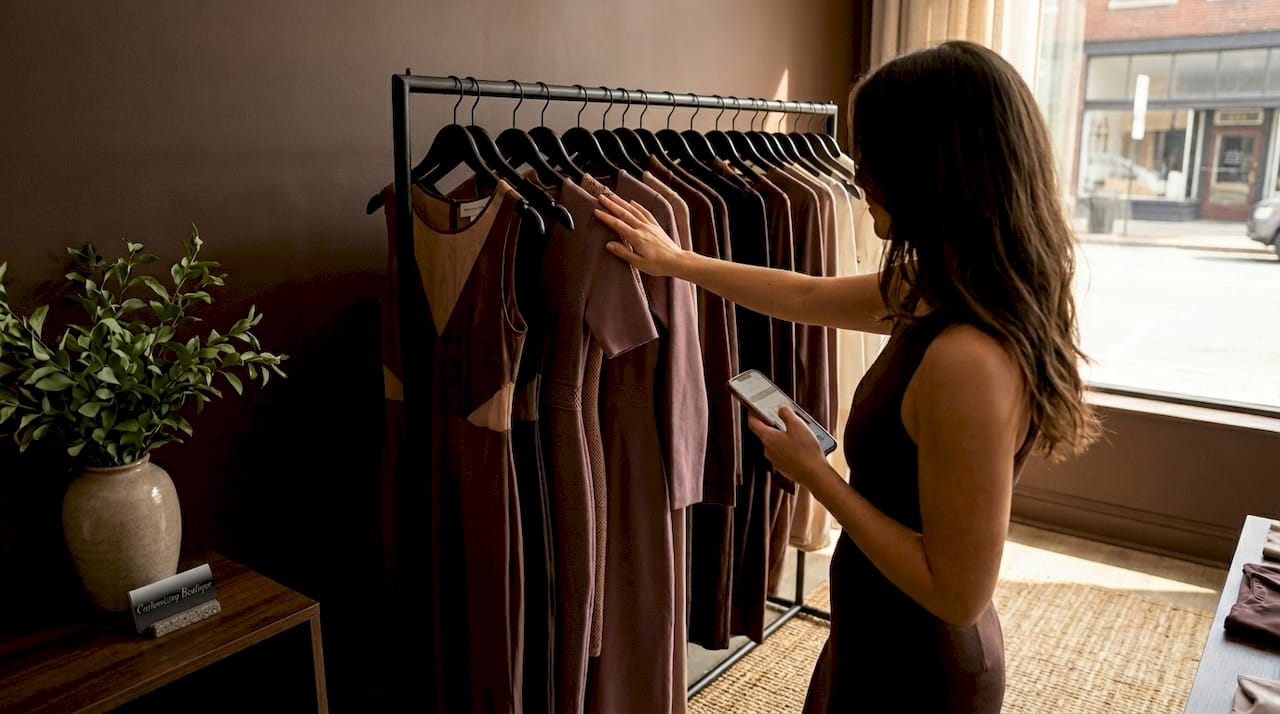
The best fabric for a special occasion dress isn’t just the one that photographs well. It’s the one that moves comfortably, holds its shape through a full day of wear, costs a reasonable amount to produce, and doesn’t cause environmental damage in the process. Choosing that fabric requires a methodology, not just intuition.
Ecodesign-driven material selection integrates life-cycle assessment (LCA) and multi-criteria decision-making so that material choice aligns with performance, sustainability, cost, and aesthetic quality simultaneously. Life-cycle assessment, or LCA, is a method that traces a material’s environmental impact from raw material extraction through production, use, and disposal. Social LCA, or S-LCA, adds a human dimension by evaluating labor conditions and community impacts.
What does this mean when you’re shopping? Look for these markers:
- Certified recycled fibers: Materials like recycled polyester or reclaimed wool with third-party certification
- Low-impact production processes: Dyeing methods that use less water, avoid harmful chemicals, or recover materials
- Transparency in sourcing: Brands that name their suppliers and share production data
- Durability data: Information about how many wears or wash cycles a material maintains its quality
| Material type | Sustainability strengths | Comfort and quality notes |
|---|---|---|
| High-quality faux fur | No animal sourcing, long lifespan | Warm, plush, statement-making |
| Recycled polyester | Reduces plastic waste, lower GWP | Versatile, easy care |
| Certified organic cotton | No synthetic pesticides | Soft, breathable, biodegradable |
| Tencel/lyocell | Closed-loop production, biodegradable | Drapes beautifully, moisture-wicking |
Eco-chic material choices don’t require you to sacrifice style. In fact, many of the most innovative materials now outperform conventional fabrics on both aesthetics and longevity. High-quality faux fur is a perfect example: it delivers the luxury look and warmth of traditional fur without animal sourcing, and when made at high standards, it lasts significantly longer than cheaper alternatives.
An eco-friendly style guide can help you identify which materials align with your personal priorities. The key is asking the right questions before you buy. But even the greenest materials require thoughtful consideration of the trade-offs behind every sustainability claim.
Sustainability trade-offs: Understanding eco-labels and impacts
Here’s the part of the sustainability conversation that most brands skip: improving one environmental metric often comes at the cost of another. A fabric that uses less water to produce might require more energy. A recycling process that cuts greenhouse gas emissions might increase a different category of chemical impact.
This is not a reason to give up on sustainable fashion. It’s a reason to be a more informed buyer.
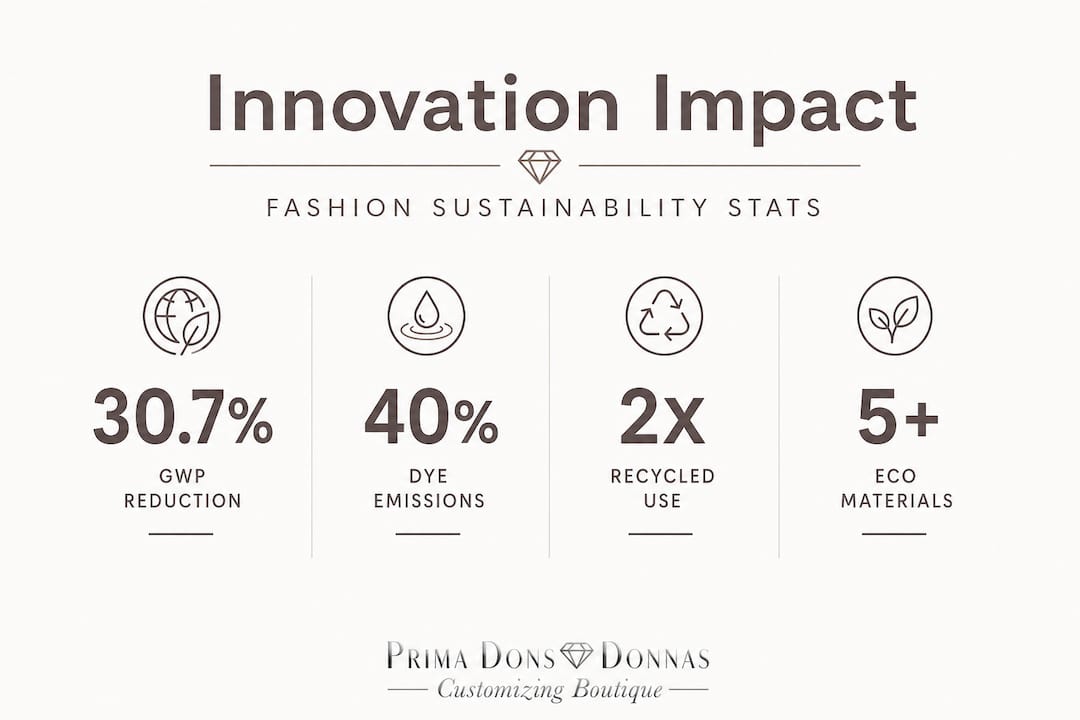
The data is clear. LCA results from textile industry research show that combining renewable energy with water recycling can reduce global warming potential (GWP) by 30.7% with energy optimization alone and 33.1% with a combined strategy. Water consumption drops by 43.6% to 43.9% under those approaches. Those are meaningful gains. But the same research notes increased freshwater ecotoxicity and fossil resource depletion under certain conditions.
What this means in practice:
- A brand claiming “100% sustainable” is almost certainly oversimplifying
- Eco-labels should signal multidimensional improvements, not just one-metric wins
- Trade-off transparency is a sign of credibility, not weakness
- The best brands share full data, not just the favorable numbers
When you’re evaluating a brand’s sustainability claims, defining sustainable fashion beyond a single buzzword is the starting point. Look for brands that acknowledge where their processes still have room to improve, not just where they excel.
30.7% GWP reduction is achievable through energy optimization in textile production, but it must be weighed against impacts in other categories.
Pro Tip: Always check whether a brand’s sustainability claim covers the full life cycle of the product, from raw material to end-of-life. Claims that only address one stage of production, like “made with recycled materials,” tell only part of the story. A complete eco-friendly wardrobe tips approach considers what happens to a garment after you’re done wearing it.
Fashion’s impact doesn’t end at design. Recycling and end-of-life innovations are also transforming the industry.
The circular edge: Recycling innovations and emissions reductions
One of the most exciting areas of fashion innovation right now is what happens after a garment has lived its useful life. Circular fashion is the practice of keeping materials in use as long as possible, recovering them when a product ends its lifecycle, and re-entering them into production.
The emissions case for circularity is compelling:
- Dye production accounts for up to 40% of greenhouse gas emissions from textiles
- New processes now extract, purify, and reuse mixed dyes from colored polyester textiles
- Recovered dyes are being used to re-dye new fabrics, completing a closed loop
- Scaling these processes could represent one of the largest single emissions levers in fashion
“Up to 40% of greenhouse gas emissions from textiles originate from dye production.” This figure reframes where sustainability effort should be concentrated. Most consumer attention focuses on fabric choice. But the chemistry used to color that fabric may have an equal or larger environmental impact.
Truly circular personalized clothing services are beginning to integrate these material recovery systems. The most credible circular products share three features: closed-loop material systems with documented recovery rates, transparent reporting on what percentage of materials are actually recovered and reused, and scalable processes that can work at commercial volume rather than just in pilot programs.
The combination of personalized fit and circular materials is powerful. A garment made precisely for you, from materials selected with full life-cycle awareness, produced without overstock, and designed for eventual recovery represents what genuinely innovative fashion looks like in 2026. After exploring the full innovation landscape, let’s consider what really matters most when navigating your own style journey.
Why true innovation starts with your experience
The fashion industry loves announcing breakthroughs. New AI platforms, revolutionary fabrics, carbon-neutral collections. The announcements pile up. The actual experience of finding a dress that fits, feels luxurious, and reflects your values stays frustratingly rare for too many women.
Our take: the most meaningful innovation is the kind you can feel in your body and see in your wardrobe over time. Not a press release.
That distinction matters more than it sounds. LCA trade-offs show that sustainability claims need to be multidimensional and substantiated. The same standard applies to fit and comfort claims. A brand that validates its personalization system with real customer data and real garments worn in real life is fundamentally different from one that markets “custom fit” without any evidence of how that fit performs.
True luxury, in our view, is confidence. It’s knowing the garment on your body was made with your measurements in mind, from materials chosen with care, by a process designed to minimize waste. That kind of confidence doesn’t come from a label or a price point. It comes from transparency and validation.
Ask these questions of any brand making innovation claims: How do you test fit across different body types? What does your supply chain transparency look like? Where does this garment go at the end of its life? Brands that welcome those questions are the ones worth trusting. Explore made-for-you personalization as the standard, not the exception.
Pro Tip: Empower yourself by treating every “innovative” fashion claim the way you’d treat a health claim on a food label. Ask what’s actually in it, who validated it, and what the trade-offs are. Your wardrobe decisions deserve that level of rigor.
Discover your next-level personalized and sustainable wardrobe
Everything discussed in this article, fit technology, eco-material science, circular thinking, and transparent sustainability, comes together in the way Prima Dons and Donnas builds every piece. Made-to-order means your garment is produced for your body, eliminating the overproduction problem at the source.
Browse made-to-order dresses designed for special occasions and everyday confidence across all sizes. Layer in sustainable luxury with custom outerwear made with high-quality faux fur and other eco-conscious materials. Complete your look with custom embellished shoes that match your outfit down to the color and crystal detail. Ready-to-ship options are also available for faster delivery when you need something beautiful now.
Frequently asked questions
How does 3D body scanning improve fashion fit for all sizes?
3D scanning creates a precise digital model of your body’s actual measurements and proportions, allowing personalization systems to produce garments that avoid standard-size mismatches for every body type.
What should I look for in genuinely sustainable materials?
Prioritize materials selected through life-cycle assessment methodologies that balance performance, environmental impact, cost, and aesthetic quality rather than single-metric claims.
Can “eco” fashion really be both luxurious and sustainable?
Yes, when brands combine innovative materials, validated fit technologies, and transparent life-cycle impact reporting, luxury and sustainability work together rather than against each other.
What impact do textile dye innovations have on fashion’s environmental footprint?
Recovering and reusing dyes can address up to 40% of textile emissions from dye production alone, making dye recycling one of the most impactful circularity innovations available today.
How can I tell if a fashion brand validates its innovation claims?
Look for evidence of real-world performance testing, transparent data on fit outcomes, and clear acknowledgment of trade-offs rather than single-metric success claims from prototype-only evaluations.
Recommended
- Fashion sustainability trends 2026: bold eco-friendly style – Prima Dons & Donnas
- Sustainable fashion styling tips: Build an eco-friendly wardrobe – Prima Dons & Donnas
- Why Sustainable Fashion Matters: Eco-Friendly Style Guide – Prima Dons & Donnas
- Sustainable fashion options for conscious women in 2026 – Prima Dons & Donnas


Leave a comment