

Why Sustainable Materials in Custom Wear Matter in 2026
TL;DR:
- Using sustainable fabrics in custom clothing reduces environmental impact, enhances garment durability, and improves comfort. Choosing eco-friendly materials like organic cotton, Tencel, or recycled polyester signals industry shifts toward greener practices and lowers resource consumption. Made-to-order designs eliminate overproduction waste and support conscious fashion choices, benefiting both the planet and wearer.
Sustainable materials in custom wear are fabrics produced with reduced environmental harm, offering eco-friendly, durable, and comfortable alternatives to conventional textiles. Choosing eco-conscious materials for your custom clothing and footwear is no longer a niche preference. It is a direct response to real data: organic cotton production cuts water consumption by over 90% compared to conventional cotton. That single fact reshapes how you should think about every piece you order. Whether you are shopping for a wedding outfit, a concert look, or a custom dress for a special event, the fabric behind your garment carries real weight.
Why sustainable materials in custom wear are worth choosing
Sustainable materials in custom wear fall into a category the industry calls eco-conscious textiles. These are fibers and fabrics grown, processed, or recycled with significantly lower environmental cost than standard options. The benefits of sustainable fabrics go beyond environmental metrics. They affect how your garment feels, how long it lasts, and what your purchase signals to the broader fashion market.
The case is straightforward. Conventional cotton uses about 2,120 liters of water per kilogram. Organic cotton uses over 90% less through rain-fed, pesticide-free growing methods. That is not a marginal improvement. It is a structural difference in how a garment comes to life.
Custom clothing eco-friendly materials also reduce your exposure to synthetic chemicals. Standard textile dyeing and finishing processes introduce thousands of harmful compounds into both the fabric and local waterways. Sustainable alternatives address this at the source, which matters for your skin and for the environment.
What types of sustainable fabrics are used in custom clothing?
The most widely used sustainable fabrics in custom wear each serve a different purpose. Knowing which fabric fits which garment helps you make smarter choices.
- Organic cotton: Soft, breathable, and ideal for dresses, blouses, and everyday wear. Grown without synthetic pesticides or fertilizers.
- Recycled polyester: Made from post-consumer plastic bottles. Recycled polyester uses 35% less water and 59% less energy than virgin polyester, making it a strong choice for structured outerwear and activewear.
- Tencel (Lyocell): Produced from sustainably harvested wood pulp in a closed-loop process that recycles water and solvents. Tencel drapes beautifully, making it popular for occasion dresses and flowing skirts.
- Hemp: One of the most durable natural fibers available. Hemp grows with minimal water and no pesticides, and it improves soil health. Best suited for structured pieces and outerwear.
- Modal: A semi-synthetic fiber from beech tree pulp. Exceptionally soft and moisture-wicking, modal works well for fitted garments and linings.
Pro Tip: Match your fabric to your garment’s purpose. A concert outfit needs flexibility and durability. A wedding dress needs drape and breathability. Tencel and modal handle both well.
| Fabric | Best Use | Key Eco Benefit |
|---|---|---|
| Organic Cotton | Dresses, blouses, casual wear | 90%+ water reduction vs. conventional cotton |
| Recycled Polyester | Outerwear, structured pieces | 59% less energy than virgin polyester |
| Tencel | Occasion wear, flowing silhouettes | Closed-loop water and solvent recycling |
| Hemp | Coats, structured garments | Minimal water, no pesticides needed |
| Modal | Fitted styles, linings | Soft, moisture-wicking, biodegradable |
Successful sustainable ranges balance fiber types according to garment use rather than relying on a single material. That approach produces better results for both performance and ecological impact.
How do sustainable materials reduce environmental impact?
The environmental case for custom apparel sustainability benefits is built on measurable reductions across water, energy, and chemical use. These are not abstract claims.
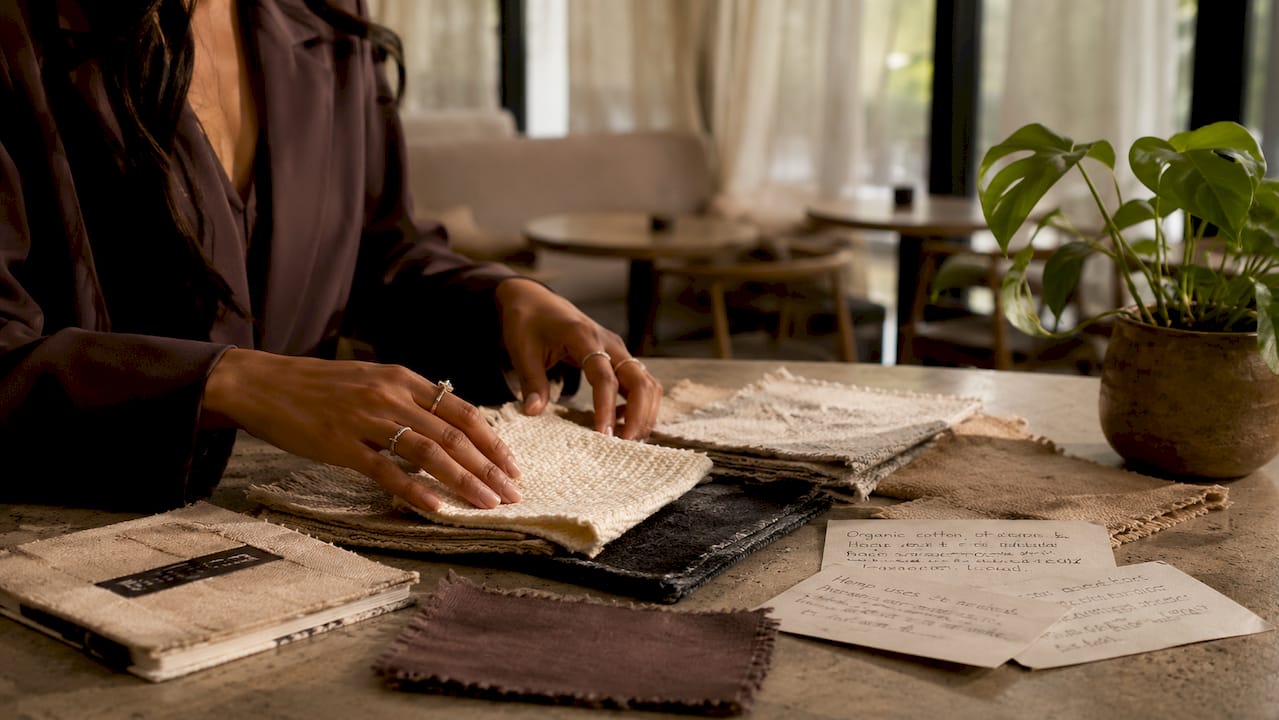
Organic cotton production yields 46% less global warming potential and reduces primary energy demand by 62%. That means every organic cotton garment you order carries a significantly lighter carbon footprint than its conventional equivalent.
Dyeing technology also plays a critical role. Reactive printing dyeing bonds color directly into fibers without transfer adhesives. This prevents microfiber shedding during washing, which is one of the leading sources of microplastic pollution in oceans. The choice of dyeing method determines whether a garment is truly sustainable or just marketed as such.
| Environmental Factor | Conventional Textile | Sustainable Alternative |
|---|---|---|
| Water use (cotton) | ~2,120 liters per kg | Over 90% less with organic cotton |
| Energy demand | Baseline | 62% lower with organic cotton |
| Global warming potential | Baseline | 46% lower with organic cotton |
| Water use (polyester) | Baseline | 35% less with recycled polyester |
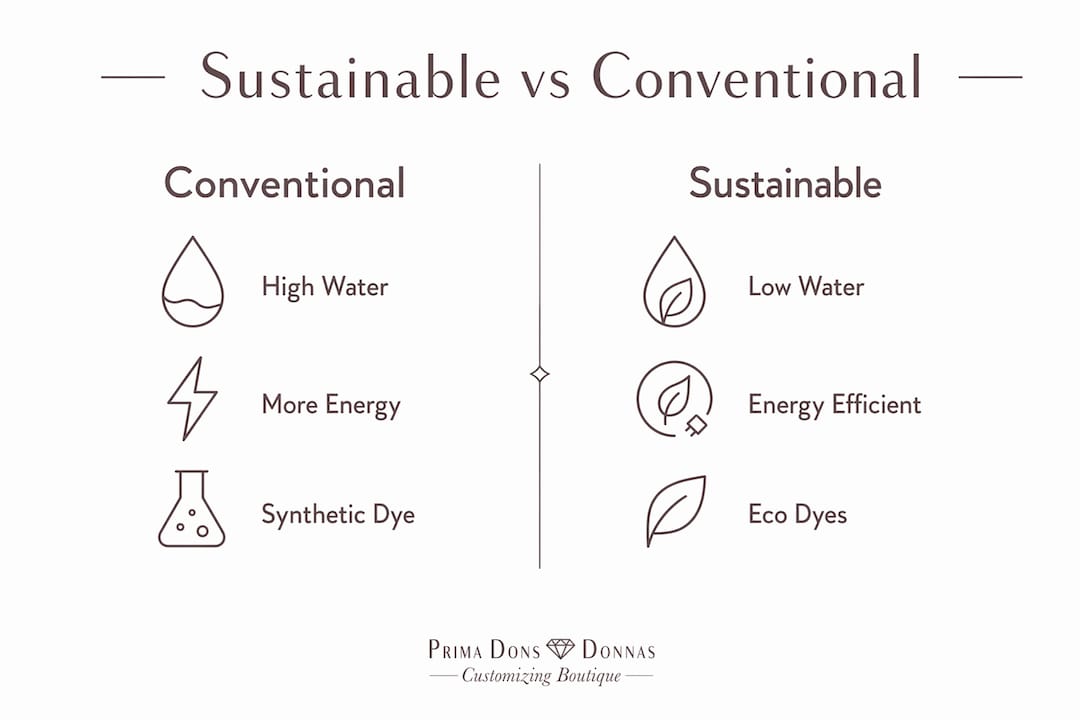
The impact of sustainable textiles extends to biodiversity as well. Pesticide-free farming protects soil ecosystems and reduces chemical runoff into rivers and groundwater. Low-impact dyeing cuts the toxic load on local water supplies near manufacturing facilities.
Do sustainable fabrics actually last longer and feel better?
Yes, and the data supports it. Durable sustainable yarns lower customer return rates by 34% in the first year and improve profit margins by 12%, despite a 15% per meter price premium. That means you buy less often, spend less on replacements, and get more value per wear.
The comfort benefits are equally real. Sustainable fabrics eliminate thousands of harmful synthetic chemicals used in conventional dyeing, which directly supports skin health. For anyone with sensitive skin or chemical sensitivities, this is a practical reason to choose eco-conscious materials, not just an ethical one.
Here is what that looks like in practice:
- Organic cotton and Tencel are naturally hypoallergenic. They work well for garments worn close to the skin, including wedding dresses, fitted party looks, and everyday dresses.
- Hemp and recycled polyester hold their structure longer than many conventional alternatives, reducing pilling and fabric breakdown after repeated washing.
- Modal retains softness wash after wash, making it a strong choice for pieces you plan to wear regularly.
Sustainable textiles’ wellness benefits, including breathability and reduced chemical exposure, matter as much to consumers as environmental metrics. You feel the difference when you wear it.
Pro Tip: When ordering custom clothing, ask specifically about the dyeing process. Reactive or low-impact dyes are the standard to look for in genuinely eco-friendly garments.
How does choosing eco-conscious materials shape fashion culture?
Your purchasing decisions send a direct signal to manufacturers. Consumer preference drives industry-wide sustainability transformation. When enough buyers choose eco-friendly fabrics, brands adjust their sourcing, production methods, and supply chains in response.
This is how sustainable fashion custom wear connects to something larger than a single outfit. Here is how the cultural shift unfolds:
- Consumer demand shifts purchasing patterns. When you choose organic cotton or Tencel over conventional alternatives, you reduce demand for resource-intensive production.
- Manufacturers respond to market signals. Brands that see consistent demand for eco-conscious materials invest in greener supply chains and certifications like GOTS (Global Organic Textile Standard) and OEKO-TEX.
- Slow fashion gains ground over fast fashion. Custom, made-to-order pieces naturally resist overproduction. Consumer shifts to eco-friendly fabrics generate a cultural chain reaction that challenges fast fashion’s environmental damage.
- Design thinking expands. Thoughtful garment design, including cut efficiency and waste reduction, becomes part of the sustainability conversation alongside material choice.
- Plus-size and inclusive fashion benefits. Custom eco-conscious clothing serves all body types without the overproduction waste of standard sizing runs.
One important nuance: fabric choice alone does not determine a garment’s true sustainability. Production factors like fabric yield, cutting waste, and logistics can outweigh fiber choice in determining overall environmental impact. Made-to-order production reduces overproduction waste, but it does not automatically solve resource intensity at the fabric level. Thoughtful material and design choices together create genuinely sustainable custom wear. You can explore more on this through Primadonsanddonnas’ guide on sustainable custom clothing.
Key takeaways
Sustainable materials in custom wear reduce environmental harm, improve garment durability, and deliver real comfort benefits that make them worth the investment for every occasion.
| Point | Details |
|---|---|
| Water and energy savings | Organic cotton uses over 90% less water than conventional cotton, a measurable environmental win. |
| Durability and value | Sustainable yarns reduce return rates by 34%, meaning your custom pieces last longer and cost less over time. |
| Comfort and skin health | Eco-conscious fabrics eliminate thousands of synthetic chemicals, making them safer for sensitive skin. |
| Cultural impact | Your fabric choices signal manufacturers to adopt greener practices across the supply chain. |
| Design matters too | Fabric yield, cutting waste, and production methods shape sustainability as much as the fiber itself. |
What i have learned about sustainable custom fashion
By Latoya
After years of working with custom fashion, the thing that surprises most people is this: the most sustainable garment is the one you actually wear. A beautifully made organic cotton dress that sits unworn in your closet has a worse environmental record than a well-loved conventional piece you reach for every week.
That is why I push back against the idea that sustainable fashion is just about swapping one fiber for another. The real shift happens when you treat your wardrobe as a collection of intentional choices rather than impulse purchases. Custom, made-to-order pieces force that intention. You pick the fabric, the color, the cut. You are not buying what was mass-produced and left over.
I have also seen too many brands use “sustainable” as a marketing label without changing their dyeing processes, their cutting waste, or their supply chain. The tailored eco fashion guide from Primadonsanddonnas addresses this directly. Look for specifics: what fiber, what dye process, what certifications. Vague sustainability claims are not enough.
For plus-size shoppers especially, custom eco-conscious clothing is a genuine advantage. Standard sizing runs generate enormous overproduction waste. Made-to-order in your exact size eliminates that problem entirely. That is sustainability you can see and feel.
— Latoya
Shop custom, shop conscious at Primadonsanddonnas
Primadonsanddonnas builds every piece to order, in your size and your color. That means zero overproduction and full personalization, from party event looks and concert outfits to wedding apparel and lunch date dresses.
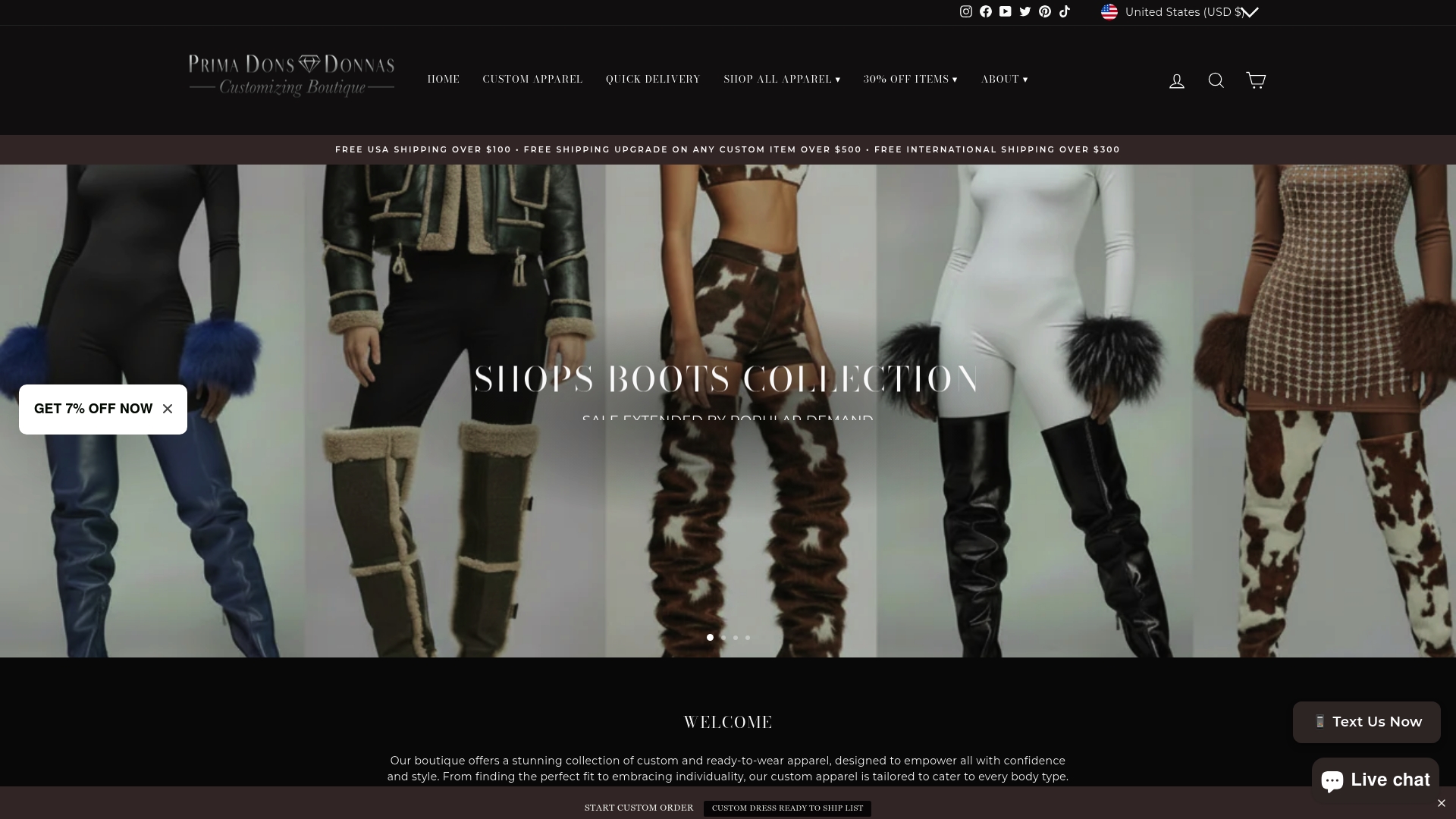
The made-to-order dress collection includes occasion-ready styles crafted with quality materials and bold design. For outerwear, the faux fur and ethical coats collection offers eco-conscious alternatives to conventional fur and leather. Plus-size options are available across all categories. Ready-to-ship pieces are also available for faster delivery. Shop the full range at Primadonsanddonnas and find your next statement piece, made exactly for you.
FAQ
What makes a fabric “sustainable” in custom clothing?
A sustainable fabric is produced with significantly lower water use, chemical input, and carbon emissions than conventional alternatives. Organic cotton, Tencel, recycled polyester, hemp, and modal are the most widely used examples in custom wear.
Is sustainable custom wear more expensive?
Sustainable materials carry roughly a 15% per meter price premium over conventional fabrics. However, their durability reduces returns by 34%, meaning the long-term cost per wear is lower.
Does made-to-order automatically mean sustainable?
Made-to-order reduces overproduction waste, but it does not automatically make a garment sustainable. Fabric choice, dyeing methods, and production efficiency all affect the true environmental footprint.
Are sustainable fabrics better for sensitive skin?
Yes. Sustainable fabrics eliminate thousands of synthetic chemicals used in conventional dyeing and finishing. Organic cotton and Tencel are naturally hypoallergenic and well-suited for anyone with skin sensitivities.
What sustainable options work best for special occasion wear?
Tencel and organic cotton are the top choices for occasion dresses, wedding apparel, and event outfits. Both offer excellent drape, breathability, and comfort for extended wear. You can find more detail on benefits for women at Primadonsanddonnas.


Leave a comment